


The Current Water Levels
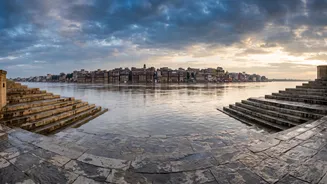
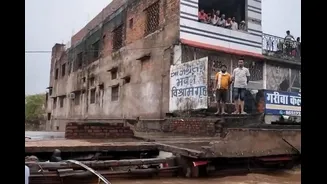
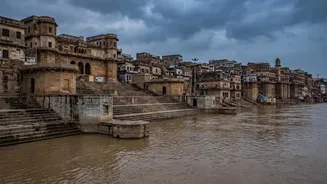
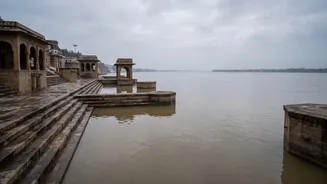
As of early September 2026, the Ganga river has crossed the official warning level in Varanasi and is continuing to rise steadily. On Thursday, September 3, the water level was recorded at 70.54 meters, surpassing the warning mark of 70.262 meters and creeping
closer to the danger level of 71.262 meters. The water is rising at a rate of about two centimeters per hour. This seasonal swell is a result of heavy monsoon rainfall across eastern Uttar Pradesh, a situation compounded by discharges from upstream barrages. Local authorities are on high alert, with continued rain forecast for the coming days, potentially worsening the situation.
Submerged Ghats and Suspended Activities
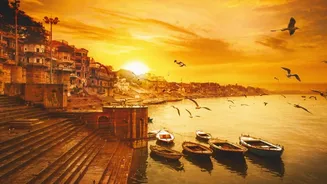
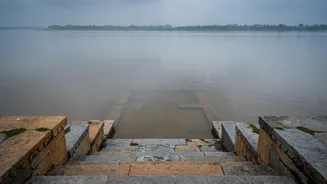
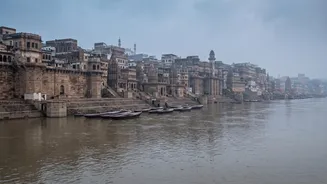
The most immediate impact for any visitor is the situation along the riverfront. The city’s iconic ghats—the stone steps leading down to the river—are largely submerged. This has forced the suspension of all recreational and tourist boat operations, a key part of the Varanasi experience. Officials have urged everyone, including tourists and residents, to stay away from the ghats and avoid areas with strong currents for safety reasons. Even sacred rituals have been affected; cremations at the famous Manikarnika Ghat are now being conducted on the rooftops of nearby buildings as the main cremation grounds are underwater. The world-famous evening Ganga Aarti ceremony has also reportedly been moved to higher ground.
Safety and Official Advisories
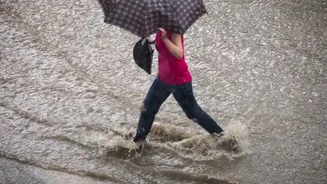
The district administration, along with the National Disaster Response Force (NDRF), is actively managing the situation. Police have been deployed to routes leading toward the river to prevent accidents. The flooding is not limited to the Ganga; its tributary, the Varuna river, has also caused significant waterlogging in several city localities. Relief camps have been set up for displaced residents, with several hundred families affected by the rising waters. For travelers, the primary advice is to heed all official warnings, stay clear of the riverfront, and avoid any flooded or waterlogged streets.
Should You Cancel Your Trip?
Whether to travel to Varanasi right now depends entirely on your itinerary. If your plans are centered on a sunrise boat tour, walking the ghats, and experiencing the riverside rituals up close, this is not the time to visit. These core activities are either suspended or inaccessible. However, the city of Varanasi is much more than its riverfront. Most hotels, restaurants, and shops in the city's interior remain open and largely unaffected. The ancient temples located away from the immediate riverbank, the bustling markets of the old city, and sites like Sarnath (a short drive away) are still accessible. If you choose to go, be prepared for a different kind of Varanasi experience—one focused on the city's resilient life away from the water's edge.
Alternative Ways to Experience the City
With the ghats out of commission, this is an opportunity to explore other facets of Varanasi. Wander through the labyrinthine alleys of the old city, a disorienting and fascinating experience in itself. Visit the Kashi Vishwanath Temple, which remains accessible, though you may encounter crowds. Explore the city’s rich silk weaving heritage in the Muslim quarter. You can also take a day trip to Sarnath, the place where the Buddha gave his first sermon, which features ancient stupas and a serene deer park. While the view of the flooded Ganga is dramatic from a distance, your time is better spent exploring the parts of the city that are high and dry, observing how life adapts and continues amidst the deluge.