







The Unseen Intruders
When we think of outdoor pollution, we often picture smog hanging over a city. But the pollutants that can enter our homes are more complex. They include fine particulate matter, known as PM2.5, which are particles so tiny they can get deep into your
lungs and even your bloodstream. These particles come from vehicle exhaust, industrial processes, and smoke. Road dust itself is a cocktail of tiny particles of rock, metal, and, significantly, particles from tire and brake wear. Brake dust, for instance, releases heavy metals like copper and iron, while tire wear sheds microplastics and other chemicals into the air. Even seemingly clean air can carry these invisible threats.
More Than Just Open Windows
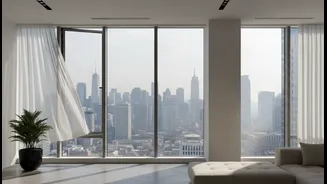
Open doors and windows are the most obvious entry points for outdoor air. However, pollutants are sneaky. According to the U.S. Environmental Protection Agency (EPA), outdoor air infiltrates homes through numerous pathways. Even with windows shut, tiny gaps and cracks in a building's structure—around window frames, door seals, and where utility lines enter—provide a constant, slow-moving entry for pollutants. Standard heating and cooling (HVAC) systems often recirculate indoor air but can also pull polluted air inside through vents and ductwork. Furthermore, we track in pollutants from the outdoors on our shoes and clothing.
The Health Risks at Home
Once inside, these pollutants don't just disappear. They can remain suspended in the air for hours and contribute to indoor air quality that is sometimes worse than the air outside. Exposure to PM2.5 and traffic-related pollutants like nitrogen dioxide is linked to a range of health issues. Short-term effects can include eye and throat irritation, coughing, and the aggravation of asthma. Long-term exposure is more serious, with studies showing associations with respiratory infections, heart disease, and other chronic conditions. Children, the elderly, and individuals with pre-existing heart or lung conditions are particularly vulnerable to these effects.
A Strategy for Smarter Ventilation
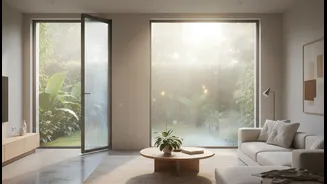
So, should you just keep your windows sealed shut forever? Not necessarily. Ventilation is crucial for flushing out pollutants that originate inside your home, such as those from cooking, cleaning products, and moisture buildup. The key is to be strategic. Try to open windows during times when outdoor pollution is lower. This often means avoiding morning and evening rush hours when traffic is heaviest. You can check your local Air Quality Index (AQI) online. An AQI below 100 is generally considered acceptable for opening windows. When you do ventilate, creating a cross-breeze by opening windows on opposite sides of your home can exchange the air more efficiently.
Your Home's Lines of Defense
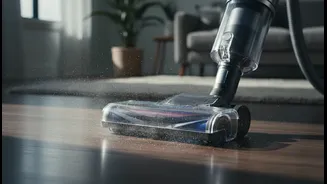
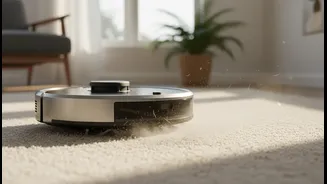
Beyond managing your windows, you can take several practical steps to reduce the amount of outdoor pollution getting in. First, create a shoes-off policy. A good doormat can trap a surprising amount of dust, but taking shoes off at the door is the best way to stop tracked-in pollutants. Seal any obvious air leaks around doors, windows, and electrical outlets. Weatherstripping and caulk are inexpensive and effective solutions. Use exhaust fans in your kitchen and bathroom to pull indoor air pollutants and moisture directly outside. In the kitchen, run the fan whenever you cook, and in the bathroom, let it run for about 30-45 minutes after a shower to reduce humidity.
Consider an Air Purifier
For an extra layer of protection, especially if you live near a busy road or industrial area, an air purifier can be a valuable tool. Look for a model with a High-Efficiency Particulate Air (HEPA) filter. These filters are designed to capture 99.97% of airborne particles down to 0.3 micrometers in size, which includes PM2.5, pollen, and dust. High-efficiency filters have been shown to reduce indoor traffic-related pollution by over 90%. While an air purifier can't eliminate all pollutants, it can significantly reduce their concentration in the rooms where you spend the most time, like the bedroom.