






A Living Legend in Sikkim
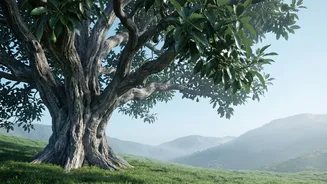
Deep in the village of Bermiok in West Sikkim, a towering avocado tree has become a local celebrity. This isn't just any tree; it is reported to be the oldest of its kind in India, with an estimated age of over 100 years. For a fruit that many Indians
associate with modern health trends and fancy cafes, the existence of such a venerable specimen comes as a surprise. Its sprawling branches have provided fruit and shade for generations, serving as a quiet witness to the region's history. The tree's recent recognition highlights a fascinating, lesser-known chapter of India's horticultural past and its deep connection with global agricultural movements.
The Missionary and the Seed
The story of this tree is tied to the history of missionary work in India. According to local accounts and historical records, the avocado was first introduced to the region in the early 20th century. Missionaries, particularly from America and Europe, often brought plants and seeds from their home countries. A Scottish missionary, Reverend St. John T. Taylor, is credited with planting this specific tree. These early introductions were often not for commercial purposes but as additions to personal gardens or mission compounds. Avocados were brought from Sri Lanka and other places to various hill stations across South India and the Himalayas, where the climate was deemed suitable. These early trees formed the foundation of the avocado's presence in the country.
Verifying a Century of Growth
While local history provides a compelling narrative, how is the age of a tree like this actually determined? The most scientifically accurate method is dendrochronology, or tree-ring dating. This process involves taking a core sample and counting the annual growth rings. Each ring represents one year of life, and its thickness can even reveal information about the climate conditions of that year. However, this method is invasive. In the absence of a formal scientific study on the Bermiok tree, its age is primarily supported by historical records of missionary presence and local oral traditions passed down through generations. The consistent narrative and the tree’s immense size lend strong credence to the century-old claim, even if it awaits precise scientific confirmation.
The Avocado's Journey to Indian Tables
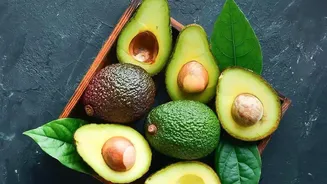
The Bermiok tree is a symbol of the avocado's long, slow journey into Indian culture. For much of the 20th century, the fruit, often called 'butter fruit', remained a niche item, grown in scattered pockets in states like Tamil Nadu, Kerala, Karnataka, and Sikkim. It was not a commercial crop and was largely unfamiliar to the wider Indian palate, which often preferred sweeter fruits. The initial lack of popularity was partly due to its bland, buttery taste. However, the global health and wellness boom of the 21st century changed everything. As awareness of the avocado's nutritional benefits grew, so did its demand. Today, avocado cultivation is expanding in India, with varieties like Hass, Fuerte, and Pinkerton being grown to cater to a thriving domestic market.