


Embrace the Freedom of the Road
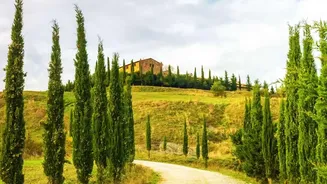
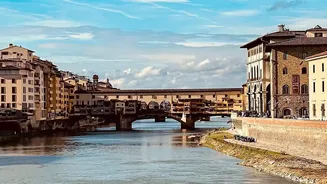
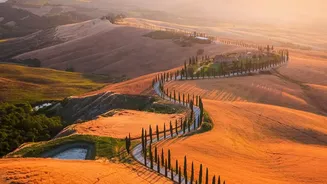
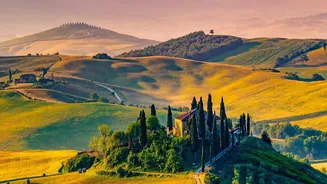
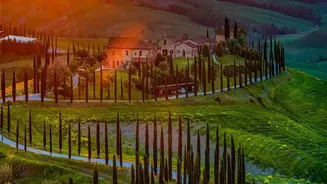
While Florence and Siena are magnificent anchors, a stationary visit misses the essence of Tuscany. Renting a car unlocks the freedom to explore at your own pace. It’s the difference between seeing a postcard and stepping into the painting. Imagine pulling
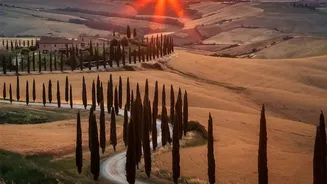
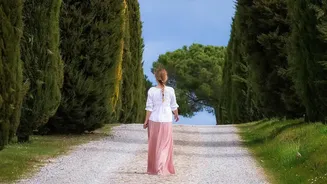
over spontaneously to capture the perfect photo of a cypress-lined lane, discovering a family-run trattoria on a quiet side road, or spending an extra hour in a village that has captured your heart. A road trip allows for serendipity, transforming your holiday from a checklist of sights into a collection of personal discoveries. The real Tuscany reveals itself on the winding roads between destinations, where the journey itself becomes a primary part of the experience.
Iconic Drives Through a Painted Landscape
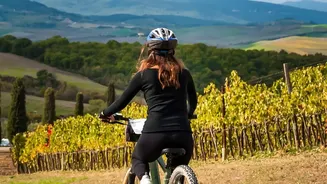
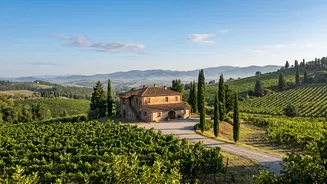
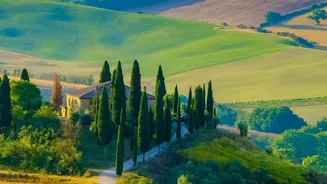
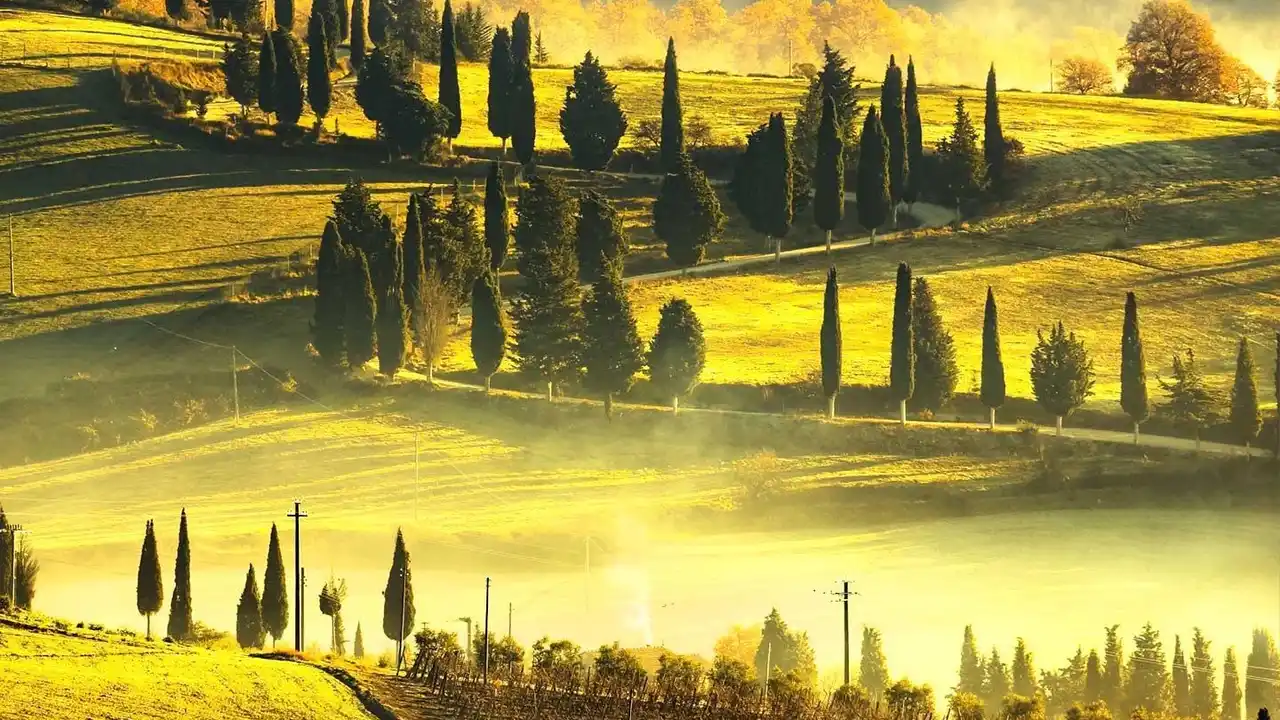
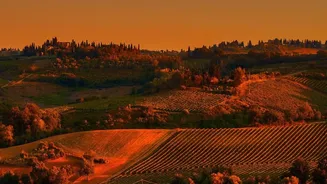
Two driving routes in particular offer the quintessential Tuscan experience. The first is the Val d'Orcia, a UNESCO World Heritage site south of Siena. This is the Tuscany of your dreams, a landscape of soft, rolling hills, golden fields, and perfectly placed farmhouses. The drive along roads like the SP146 between Pienza and San Quirico d'Orcia is a visual masterpiece, with famous photo opportunities at every turn. Further north, between Florence and Siena, the SR222, or 'Via Chiantigiana', winds through the heart of Chianti wine country. This route is less about wide-open vistas and more about the intimate beauty of vineyards and olive groves clinging to gentle hills, connecting famous wine towns like Greve and Panzano.
Hilltop Towns and Historic Gems
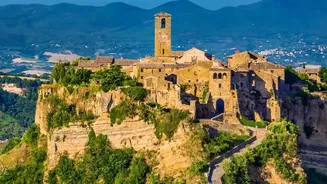
The drives are only half of the equation; the destinations provide the historical and cultural soul. Beyond the major cities, a constellation of smaller towns begs to be explored. San Gimignano, with its medieval towers creating a unique skyline, offers a glimpse into the region’s powerful past. Pienza, redesigned by a pope to be the “ideal Renaissance town,” is a masterclass in urban planning and offers breathtaking views over the Val d'Orcia. Nearby, Montepulciano is a larger, bustling town famous for its Vino Nobile wine and atmospheric underground cellars. For a quieter experience, seek out smaller gems like Montalcino, home of Brunello wine, or the tiny, fortified hamlet of Monteriggioni, whose walls remain almost perfectly intact.
Crafting the Perfect Itinerary
The key to a successful Tuscan road trip is balance. Don't try to see everything. Instead, choose a strategic base for a few nights—like an 'agriturismo' (farm stay) near Montepulciano or in the Chianti region—and take day trips from there. This minimizes time spent packing and unpacking. Plan to visit no more than two towns in a day to avoid feeling rushed. A great approach is to dedicate the morning to exploring a town, enjoy a long, leisurely lunch, and then spend the afternoon on a scenic drive back to your accommodation, perhaps stopping at a winery. This rhythm allows you to appreciate both the history of the towns and the beauty of the countryside without exhaustion.
Navigating Tuscany Like a Local
Driving in Tuscany is manageable and immensely rewarding, but a few tips are essential. The most important rule is to be aware of the 'Zona a Traffico Limitato' or ZTL. These are restricted traffic zones in the historic centres of virtually all towns and cities, monitored by cameras. Driving into one, even accidentally, will result in a significant fine sent to your rental company months later. The simplest strategy is to always park in designated car parks outside the old city walls and walk into the centre. These lots are well-signed. Also, rent the smallest car that will comfortably fit your party and luggage; you'll appreciate it on narrow village streets and country lanes.