

A Partially Perfect Mission
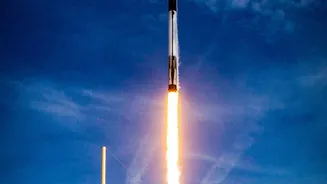
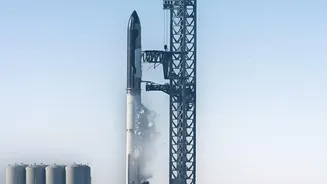
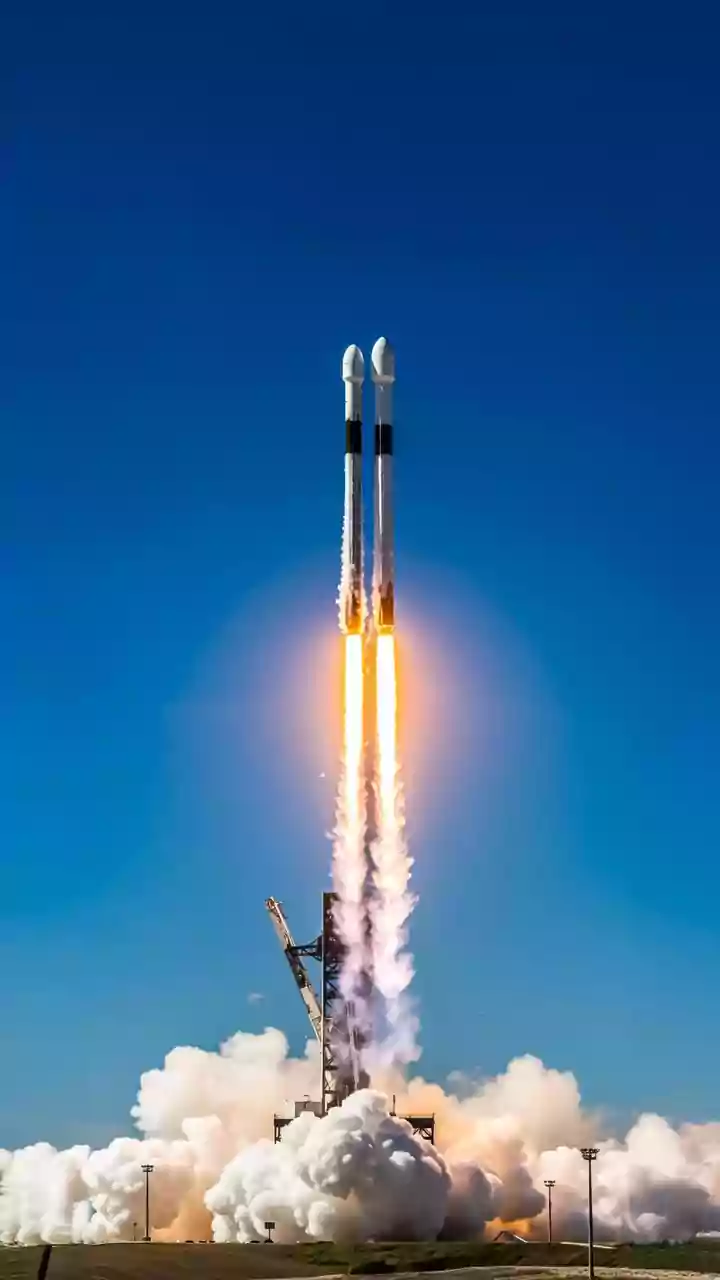
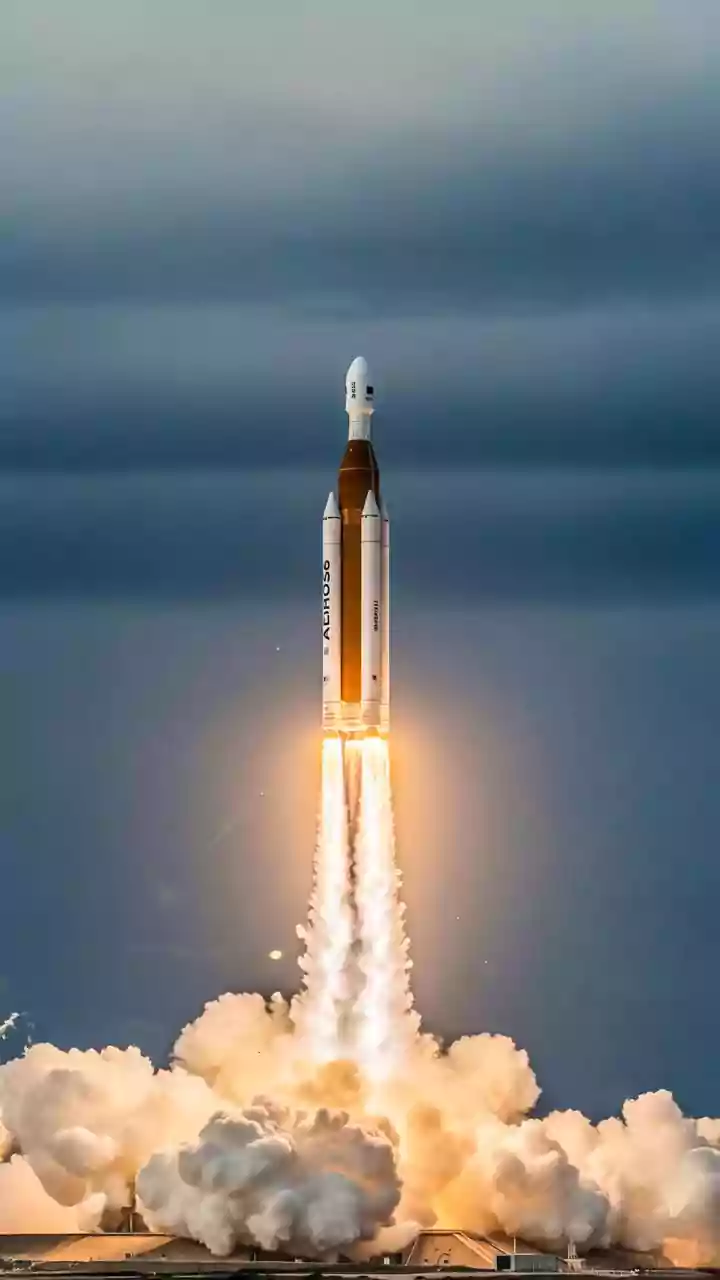
The fifteenth test flight of SpaceX's Starship system began on the evening of November 13 from the company's Starbase facility in Texas. The mission had an ambitious goal: to launch, have both the Super Heavy booster and the Starship upper stage return
to the launch site, and catch both using the massive mechanical arms of the launch tower. While the mission was a mixed success, its most significant objective was achieved spectacularly. The Super Heavy booster, after propelling the Starship skyward, encountered an issue with low fuel mass during its boostback burn. This triggered an automated abort, causing it to divert for a controlled splashdown in the Gulf of Mexico instead of returning for a tower catch. The Starship upper stage, however, continued flawlessly. It reached orbit, deployed a batch of 26 Starlink satellites, and spent over 22 hours circling the Earth before beginning its historic return.
The Holy Grail of Reusability
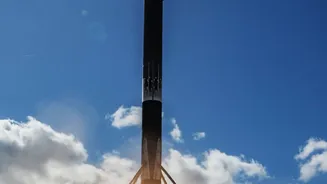
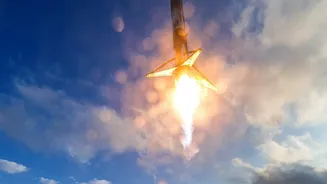
For decades, rockets have been almost entirely expendable. Imagine throwing away an airplane after a single flight; that's been the standard model for space launches. SpaceX revolutionized the industry with its Falcon 9 rocket, which can land and be reused, but only its first stage. The second, or upper, stage is typically discarded. Recovering the upper stage, which travels much higher and faster to reach orbit, has long been considered the 'holy grail of spaceflight'. Achieving this would make a launch system fully and rapidly reusable, a breakthrough needed to dramatically lower the cost of accessing space and increase the frequency of launches. A fully reusable system is the cornerstone of SpaceX's plans for extensive satellite constellation deployment, missions to the Moon for NASA's Artemis program, and the ultimate goal of establishing a human presence on Mars.
Enter the 'Chopsticks'
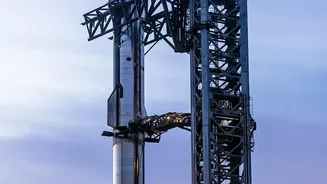
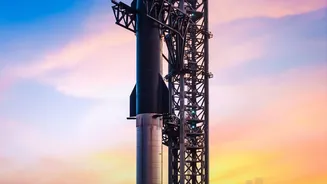
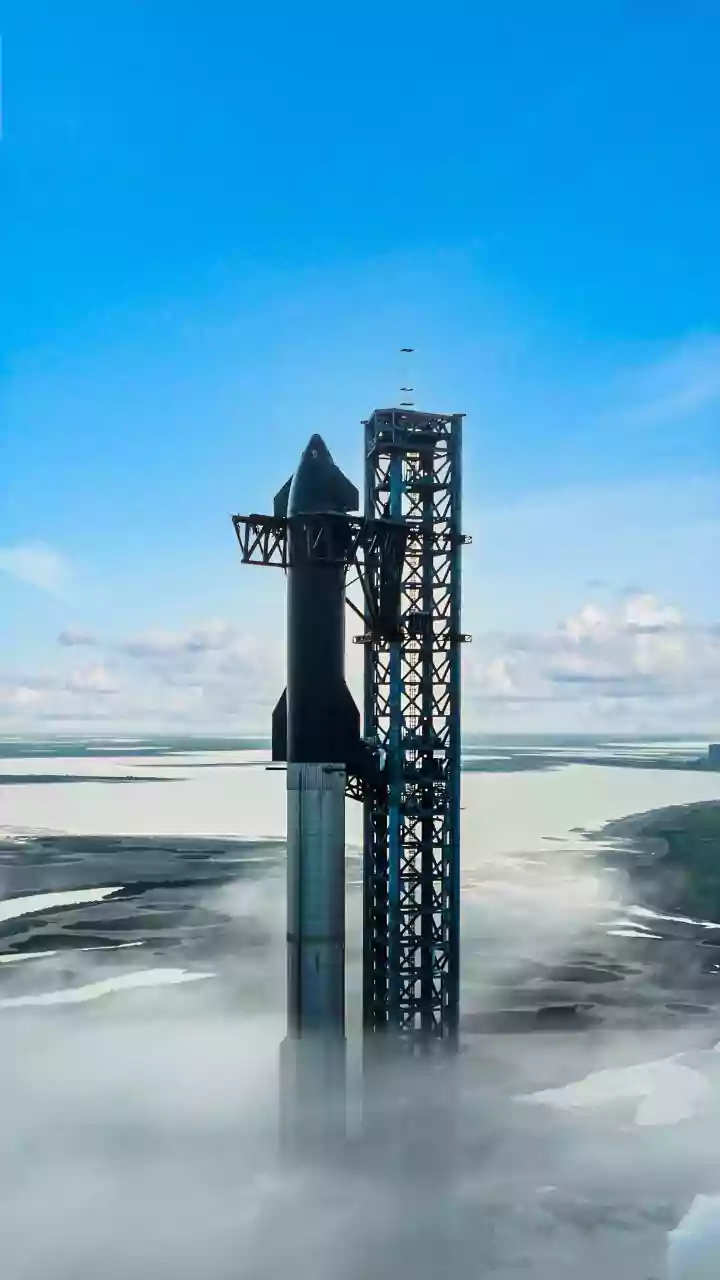
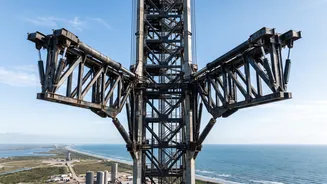
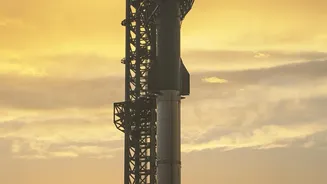
The key to this new recovery method is the launch tower itself, nicknamed 'Mechazilla'. Instead of equipping the booster and ship with heavy landing legs, SpaceX integrated a pair of giant mechanical arms, widely known as 'chopsticks', into the tower structure. These arms are designed to not only stack the massive rocket components before launch but also to catch them as they return. On November 14, after nearly a full day in orbit, Starship vehicle Ship 42 re-entered Earth's atmosphere, withstood extreme temperatures, and performed a 'belly-flop' maneuver to slow down. In the final moments of its descent, it flipped to a vertical orientation, fired its Raptor engines for a landing burn, and guided itself with remarkable precision to hover between Mechazilla's waiting arms, which then closed to secure the vehicle.
A Milestone That 'Changes Everything'
The successful capture was met with emotional celebrations at SpaceX mission control. 'We caught a Starship, and now everything changes,' declared a SpaceX commentator on the live webcast. Never before had an orbital-class upper stage returned from space to be caught at its launch site. This feat moves the concept of full reusability from a theoretical dream to a demonstrated capability. The success is a monumental engineering achievement, validating years of design, testing, and an iterative approach that saw numerous failures in the program's early days. While SpaceX has previously caught its Super Heavy booster, recovering the Starship upper stage from orbital speeds is a far more complex challenge.
The Road Ahead
Despite the historic success, the work is far from over. Flight 15 did not achieve the full recovery of both stages, and SpaceX will need to investigate the booster's fuel issue to ensure consistent performance. The next major challenge is proving the 'rapid' part of 'rapid reusability'. Engineers will now inspect Ship 42 to assess the condition of its heat shield and other systems after the grueling re-entry from orbit. The ultimate goal is to refurbish and refly the vehicle in a matter of days or weeks, rather than months. Proving this quick turnaround is the true key to unlocking the economic potential of Starship. Furthermore, capabilities like in-orbit refueling will still need to be perfected for long-duration missions to the Moon and beyond.