







What Exactly is Fibremeaxing?
Born on social media, 'fibremeaxing' is the intentional effort to maximize fibre intake in one's daily diet. While the name is new, the concept is rooted in a growing awareness of gut health and its connection to overall wellness. It’s a direct response
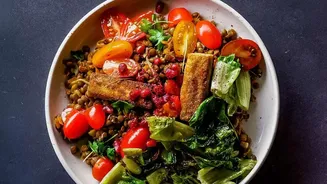
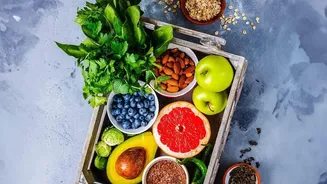
to modern urban diets, which often lean on refined flours and processed snacks, leading to a significant 'fibre gap'. For many urban Indians, daily fibre intake can be as low as 15 grams, far below the recommended 25-30 grams. Fibremeaxing encourages a return to whole foods—millets, legumes, vegetables, and fruits—and pushes food manufacturers to create products that help consumers easily meet their daily fibre goals.
India's Functional Food Boom
The ground for a trend like fibremeaxing is fertile. India's functional foods market, which includes products fortified with health-boosting ingredients, is expanding rapidly. Projections show the market growing at a compound annual growth rate (CAGR) of around 8-10%. This surge is driven by a health-conscious middle class, rising disposable incomes, and a greater focus on preventive healthcare, especially in the wake of the pandemic. Consumers are increasingly seeking foods that offer specific benefits like improved immunity, better digestion, and disease prevention. Functional foods and beverages already dominate India's health and wellness industry, accounting for a significant share of the market as consumers look for nutrient-enriched products.
Why Fibre is the New Hero Ingredient
For years, protein held the spotlight. Now, fibre is taking center stage. This shift is fueled by the global conversation around gut health and the microbiome. A fibre-rich diet is linked to improved digestion, better blood sugar management, and a reduced risk of lifestyle diseases like diabetes and heart conditions, which are on the rise in India. The market for gut health supplements in India is projected to grow robustly, signaling strong consumer interest. Nearly half of Indian consumers plan to buy more high-fibre foods. This demand is prompting brands to look beyond just probiotics and focus on the foundational role of dietary fibre—both soluble and insoluble—in maintaining a healthy digestive system.
From Niche Ingredients to Mainstream Products
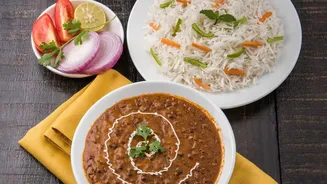
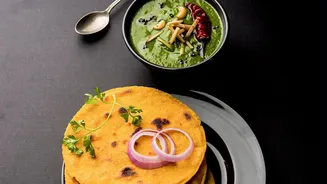
Fibremeaxing is set to move beyond traditional sources like rotis made from whole grains and bowls of dal. The opportunity lies in fortifying everyday packaged foods. We are likely to see a new generation of high-fibre snacks, biscuits, breakfast cereals, and even beverages. Food manufacturers are exploring innovative fibre ingredients, from oat and lentil flours to psyllium husk and millet-based additives. The challenge, however, is a technical one. Adding fibre can significantly alter a product's taste and texture, often making it gritty, dry, or dense. Success will depend on formulating products that deliver a nutritional punch without compromising on the sensory experience that Indian consumers expect.
The Road Ahead: Challenges and Opportunities
For fibremeaxing to become a mainstream movement, a few hurdles must be cleared. The primary challenge for manufacturers is the formulation itself—balancing high fibre content with palatability is a fine art. Cost is another factor, as specialized fibre ingredients can increase the final product price. For consumers, education is key. While awareness is growing, many are still unsure about how much fibre they need or the difference between soluble and insoluble types. However, the opportunity is massive. Brands that successfully crack the code—creating tasty, convenient, and affordable high-fibre products—will be well-positioned to meet the demands of a new generation of health-proactive Indian consumers. The trend signals a clear market need waiting to be filled by innovative food companies.