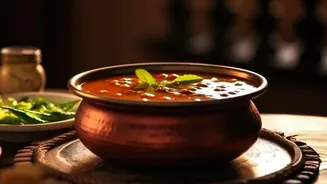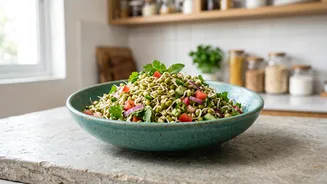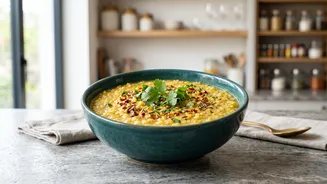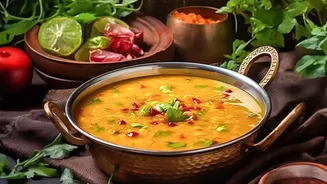


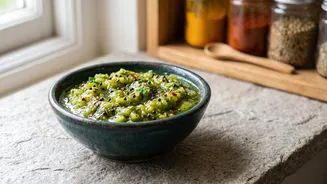
In the vast universe of Indian recipes, moong dal soup holds a special place. It’s more than just a dish; it’s a warm hug in a bowl, a trusted remedy, and a nutritional powerhouse that has comforted generations.
The Ultimate Comfort Food
For many in India, the gentle aroma of simmering
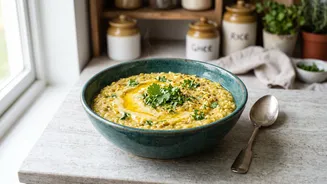
moong dal soup is synonymous with care and recovery. It is the go-to meal when one is feeling under the weather, and for good reason. Its light and easily digestible nature makes it gentle on the stomach, providing nourishment without overwhelming a weakened digestive system. This is why it's often the first solid food recommended for babies and a staple for anyone recovering from illness. Whether served plain and simple or with a dollop of ghee, this soup is a quiet-yet-powerful presence in Indian kitchens, offering solace and strength when it's needed most.
A Nutritional Powerhouse
Beyond its comforting qualities, moong dal soup is packed with an impressive array of health benefits. Moong dal, whether the split yellow variety (dhuli moong) or the whole green gram (sabut moong), is a fantastic source of plant-based protein and dietary fibre. This combination helps you feel full for longer, making it an excellent choice for weight management. It is rich in essential minerals like potassium, magnesium, iron, and folate, as well as vitamins A, B, C, and E. Due to its high fibre content, particularly soluble fibre like pectin, it aids in maintaining regular bowel movements and supports a healthy gut microbiome. Ayurvedic traditions have long celebrated moong dal for being 'tridoshic', meaning it helps balance all body energies (doshas).
The Magic of Tadka
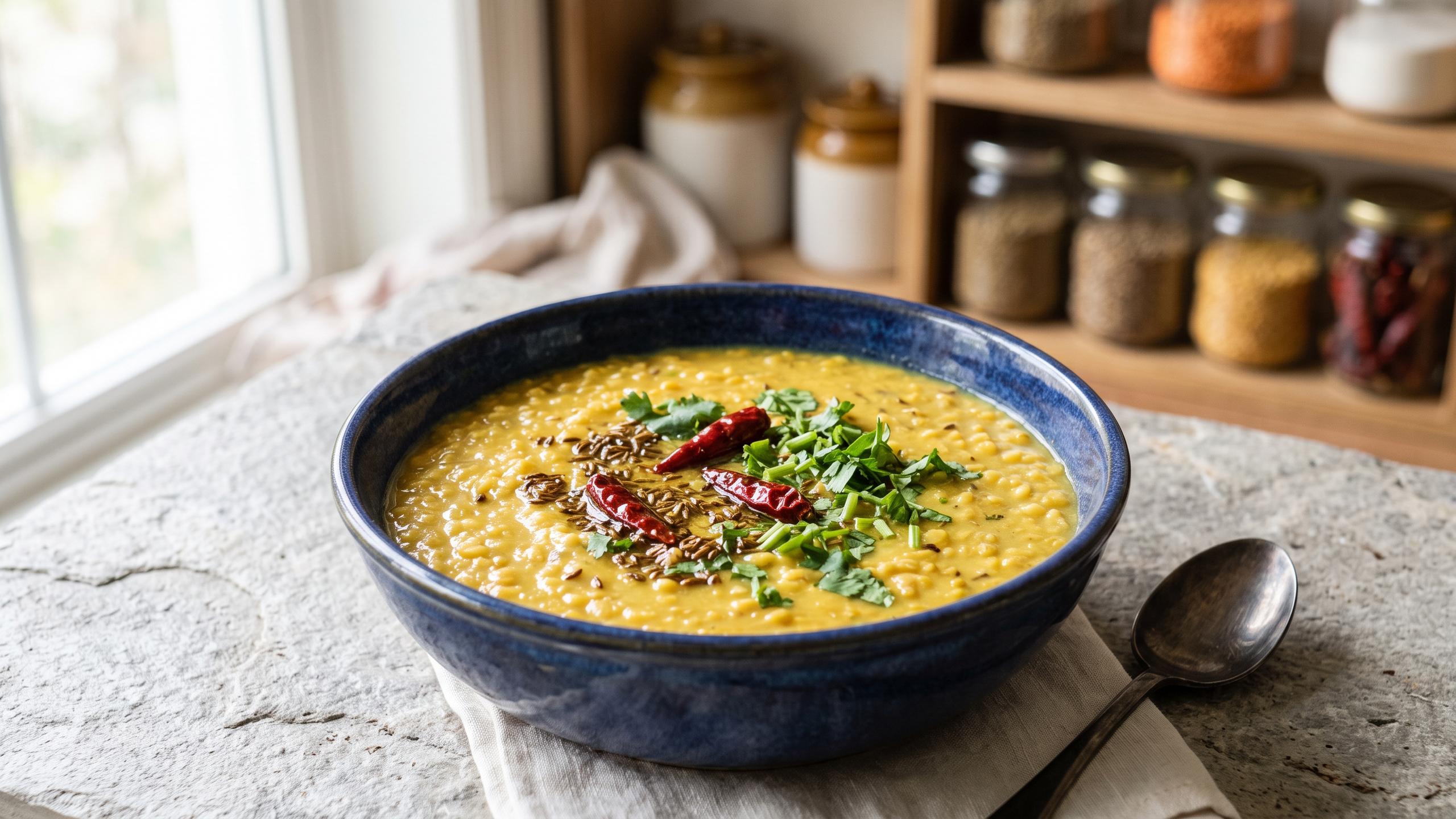
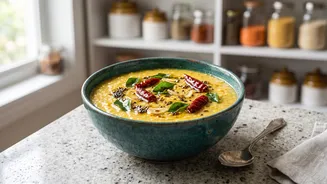
A simple bowl of boiled moong dal is nourishing, but it's the 'tadka' or tempering that truly brings it to life. This crucial step involves heating ghee or oil and sizzling whole or ground spices like cumin seeds, mustard seeds, asafoetida (hing), turmeric, and dried red chillies. The hot, aromatic mixture is then poured over the cooked dal, infusing it with a complex layer of flavour and aroma. The choice of spices can vary by region and personal preference. A pinch of asafofoetida aids digestion, cumin adds an earthy warmth, and a touch of ginger and garlic can provide anti-inflammatory benefits. This simple act transforms the soup from basic sustenance into a truly delicious and aromatic meal.
Endless Variations and Tips
One of the beauties of moong dal soup is its versatility. While a basic recipe involves simmering the lentils with turmeric and salt, it can be adapted in countless ways. Some recipes call for adding finely chopped vegetables like carrots, tomatoes, or spinach to boost its nutritional value. The consistency can be adjusted from a thin, broth_like soup to a thicker, heartier stew that pairs well with rice. For a creamy texture, some prefer to blend the cooked dal before adding the tadka. Soaking the dal for at least 30 minutes before cooking can reduce cooking time and make it even easier to digest. A final squeeze of lemon juice before serving adds a bright, fresh tang that cuts through the richness and rounds out the flavours perfectly.