

Praia da Ilha de Tavira, Eastern Algarve
While the Algarve is famous for tourism, its eastern corner offers a different pace. Ilha de Tavira (Tavira Island) is a long, sandy barrier island accessible only by a short ferry ride from the charming town of Tavira. This simple barrier to entry keeps
the crowds thinner than on mainland beaches. The main beach near the ferry landing has cafes and amenities, but a ten-minute walk west will lead you to vast, near-empty stretches of golden sand. Part of the Ria Formosa Natural Park, the island is protected from overdevelopment, preserving its pristine dunes and clean waters. The journey itself, across the calm lagoon, sets a tranquil tone for your day. For ultimate quiet, head towards Praia da Terra Estreita or Praia do Homem Nu, the island's more remote sections.
Praia da Aberta Nova, Alentejo Coast
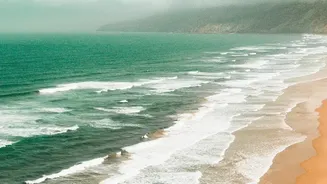
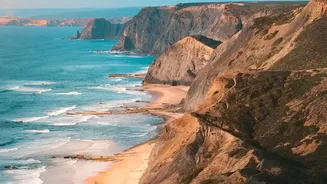
The Alentejo region is Portugal's wild heart, and its coastline reflects that beautifully. Praia da Aberta Nova, located near Melides, is a vast expanse of sand backed by low cliffs and dunes. Its sheer size means it never feels crowded. Access involves a drive down a few kilometres of dirt road, which naturally deters many visitors and helps maintain its peaceful atmosphere. Known for its excellent environmental quality, this 'Golden Beach' has a wild, untamed beauty. While popular with surfers for its consistent waves, there's more than enough room for everyone to find their own private patch of sand. It has a lifeguard and a small beach bar, but the overall feeling is one of raw, natural escape.
Praia da Ursa, Sintra-Cascais Natural Park
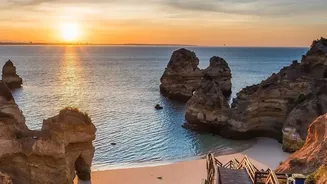
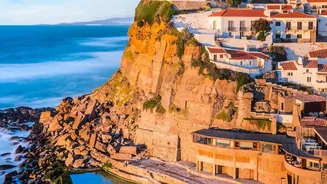
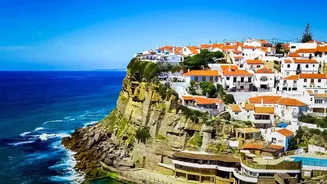
For those who don't mind a little adventure, Praia da Ursa is one of the most stunning rewards on the Portuguese coast. Located near Cabo da Roca, the westernmost point of continental Europe, this beach is famous for its dramatic sea stacks that resemble a bear and its cub ('Ursa' means bear). Its beauty is preserved by its challenging access; reaching the sand requires a steep, 20-minute hike down an irregular trail. This effort ensures that only a handful of people are ever on the beach at one time. There are no facilities here, so you must pack in everything you need, from water to snacks. The rugged scenery and relative isolation make it feel like a true hidden gem, just a short drive from Lisbon.
Praia do Forte do Paço, Northern Portugal
Often overlooked in favour of the south, the coastline of Northern Portugal near Viana do Castelo is a wonderland of wooded hills and quiet coves. Praia do Forte do Paço is a prime example, an 800-metre stretch of sand that remains peaceful even in high summer. It gets its name from a ruined 18th-century fort that overlooks the beach, adding a historical, romantic element to the landscape. The beach is characterised by granite boulders that form shallow, sun-warmed rock pools at low tide, perfect for paddling. With no cafes or bars directly on the sand, it’s a place that encourages you to bring a picnic and simply enjoy the sound of the crashing waves.
Praia do Carvalho, Central Algarve
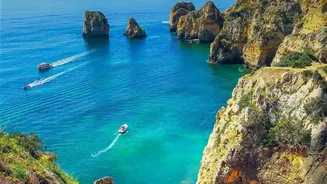
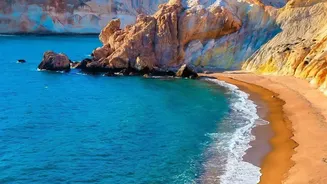
Even in the heart of the popular central Algarve, secrets remain. Praia do Carvalho is a small, stunning cove that feels worlds away from the nearby resorts. Its seclusion is guaranteed by its unique entrance: you must walk down steps and through a tunnel carved directly into the limestone cliffs. Once you emerge onto the sand, you are sheltered by high, honey-coloured cliffs that create a feeling of intimacy and protect from the wind. The water is typically calm and incredibly clear, making it great for swimming. While it can get busier than more remote options, its dramatic access keeps it far quieter than most other beaches in the Lagoa area.