



The Main Event: The Calcium Showdown
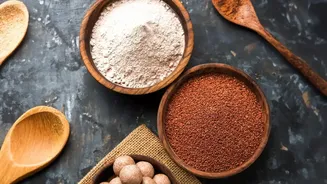
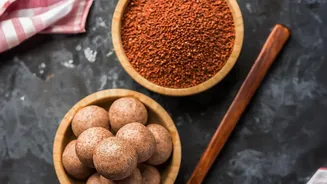
When it comes to calcium, this isn't a close contest. Ragi, also known as finger millet, is a nutritional powerhouse in this department. A 100-gram serving of ragi contains approximately 344 to 364 mg of calcium. To put that in perspective, this is one
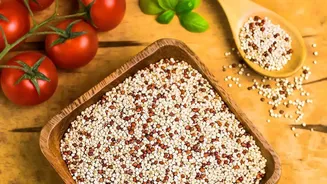
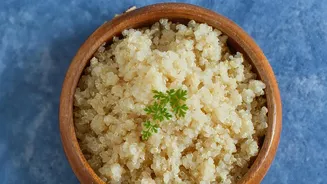
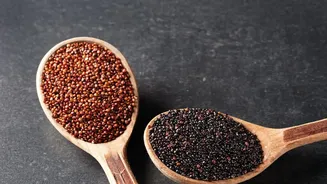
of the highest calcium contents of any cereal grain and is nearly three times the amount found in milk. Quinoa, on the other hand, provides around 47 mg of calcium per 100 grams. While respectable for a grain, it simply cannot compete with ragi's offering. For anyone focused on bone health, from growing children to older adults at risk of osteoporosis, ragi is the undeniable winner for plant-based calcium.
Beyond Calcium: A Complete Nutritional Profile
While ragi wins on calcium, the broader nutritional story is more nuanced. Quinoa's main claim to fame is its status as a 'complete protein', meaning it contains all nine essential amino acids that our bodies cannot produce on their own. A 100-gram serving of uncooked quinoa packs about 14 grams of protein, compared to ragi's more modest 7 to 8 grams. However, it's worth noting that the Indian style of eating, which often pairs grains with dal, curd, or legumes, easily creates a complete protein profile. In terms of iron, another nutrient where deficiencies are common in India, the numbers vary, but some data suggests quinoa has a slight edge. Meanwhile, ragi scores higher on dietary fibre, which is excellent for digestive health and keeping you feeling full for longer.
Blood Sugar and Weight Management
For those managing blood sugar levels, both grains are good options. Ragi and quinoa have a similar low glycemic index (GI), meaning they release sugar into the bloodstream slowly and help prevent sudden energy spikes. This makes both suitable for diabetics and those watching their weight. The high fibre content in both grains, particularly ragi, aids in satiety. This feeling of fullness can help prevent overeating and reduce unnecessary snacking, making both grains a smart choice for anyone on a weight management journey.
The Practicality Test: Price and Accessibility
This is where the local champion truly shines. Ragi is an indigenous grain, grown widely across India for centuries. This makes it incredibly affordable and readily available in local markets. A kilogram of ragi flour can cost anywhere from ₹60 to ₹90, with whole grain being even cheaper. Quinoa, on the other hand, is primarily imported from South America, which significantly drives up its price. It often retails for several hundred rupees per kilogram, making it a premium product. For daily consumption and family meals, ragi is the far more economical and sustainable choice for the average Indian household.
In the Kitchen: Taste and Culinary Use
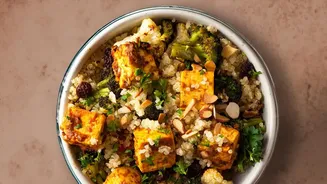
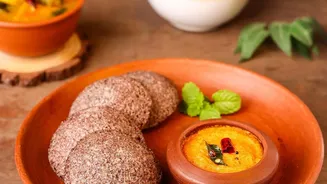
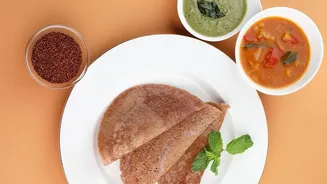
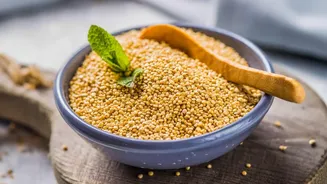
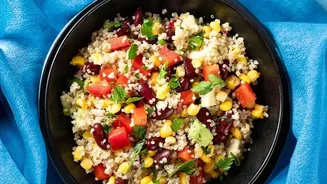
Ragi has a deep, earthy flavour that is integral to many regional Indian cuisines. It's the star ingredient in dishes like ragi mudde in Karnataka, ragi malt or porridge, and can be easily made into rotis, dosas, and even baked goods like cookies and cakes. Its texture and taste are familiar and beloved. Quinoa has a milder, nuttier flavour and a slightly chewy texture. It requires thorough rinsing to remove its natural coating, called saponin, which can taste bitter. It works wonderfully in salads, pulao-style dishes, and as a substitute for rice, but it doesn't blend as seamlessly into traditional Indian meal formats as ragi does.