








Why Roots Need to Breathe
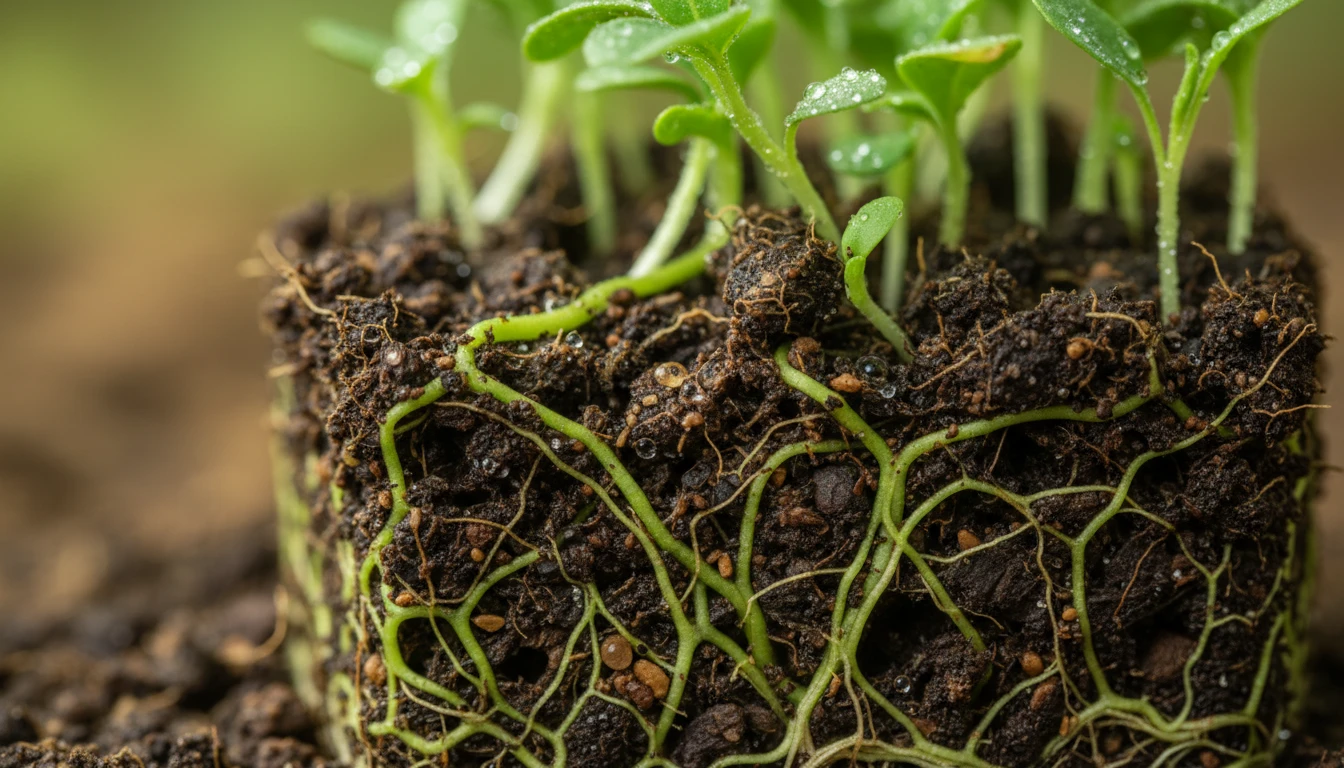
It’s a common misconception that plant roots only need water and nutrients. In reality, they also require oxygen to survive and function. An ideal soil structure contains about 50% solid matter and 50% pore space, which is filled with a mix of water and air.
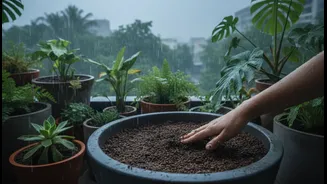
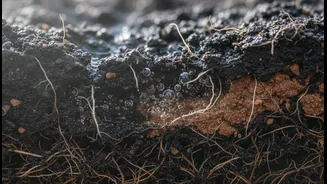
These air pockets are vital, allowing roots to perform respiration—the process of converting sugars into energy for growth. During the monsoon, persistent heavy rains can fill every one of these pockets with water, creating saturated, waterlogged soil. This anaerobic (oxygen-deprived) condition effectively suffocates the roots. Unable to breathe, the fine root hairs that absorb water and nutrients begin to die off, stressing the entire plant.
Recognising the Signs of Root Stress
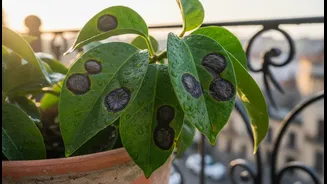
Ironically, a plant suffering from root suffocation can look like it's thirsty. The most common sign is wilting, even when the soil is visibly wet. This happens because the damaged roots can no longer efficiently absorb and transport water to the leaves. Other key indicators include yellowing leaves (a condition called chlorosis), particularly on older, lower leaves, as the roots struggle to take up nutrients. You might also notice stunted growth, premature leaf drop, or even a musty, rotten smell coming from the soil, which is a clear sign of root rot, a fungal disease that thrives in wet conditions.
Creating a Well-Drained Soil Mix
The single most effective way to protect your plants during the monsoon is to ensure excellent drainage. Never use dense garden soil in pots, as it compacts easily and holds too much water. Instead, use a well-aerated potting mix. You can buy a pre-made mix or create your own. A great general-purpose recipe for Indian conditions is to combine equal parts garden soil, compost or vermicompost, and a material that improves aeration like cocopeat or sand. Cocopeat (coconut coir) and perlite are excellent additives that create air pockets and prevent the soil from becoming a dense, soggy mass. This lighter mix allows excess water to drain away freely, preserving those crucial air pockets for the roots.
Smart Monsoon Potting and Watering
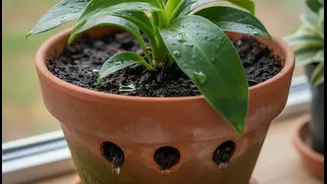
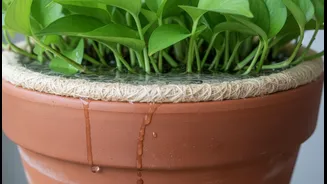
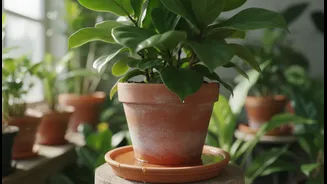
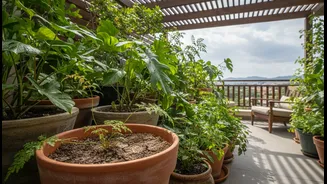
Beyond the soil itself, your choice of pot and watering habits are critical. Always use pots with ample drainage holes at the bottom to let excess water escape. Terracotta or clay pots are often a better choice for the monsoon than plastic ones, as their porous nature allows soil to dry out faster. If possible, raising pots on stands or bricks can also improve airflow and drainage. It's also vital to adjust your watering schedule. Don't stick to a fixed routine; instead, always check the soil first. Poke your finger about an inch into the soil—if it feels damp, there's no need to water, even if it hasn't rained that day. Overwatering is the primary cause of root stress during this season.
Extra Care for a Thriving Monsoon Garden
A few additional practices can make a big difference. Ensure there is adequate spacing between your plants to promote good air circulation, which helps foliage dry faster and reduces the risk of fungal diseases like powdery mildew. If you notice the top layer of soil is compacted, gently loosen it with a small tool to help aeration. The monsoon is also a time when pests like snails and slugs are more active, so regularly inspect your plants for any signs of infestation. Finally, be cautious with fertilisers. Heavy rains can wash away nutrients, but fertilising waterlogged soil can burn the already-stressed roots. Wait for a dry spell to apply a balanced, preferably organic, liquid fertiliser.