

First, Understand Your Light
Before you fall in love with a plant, assess the light in your home. This is the single most important factor for a plant's survival. 'Low light' refers to a corner far from a window or in a north-facing room where you can read, but with some effort.
'Medium' or 'bright, indirect light' is the most common indoor condition, found near a window but out of the sun's direct glare. 'High light' means several hours of direct sun, usually right in a south or west-facing window. Choosing a plant that matches your available light is the first step to success.
For Low-Light Corners
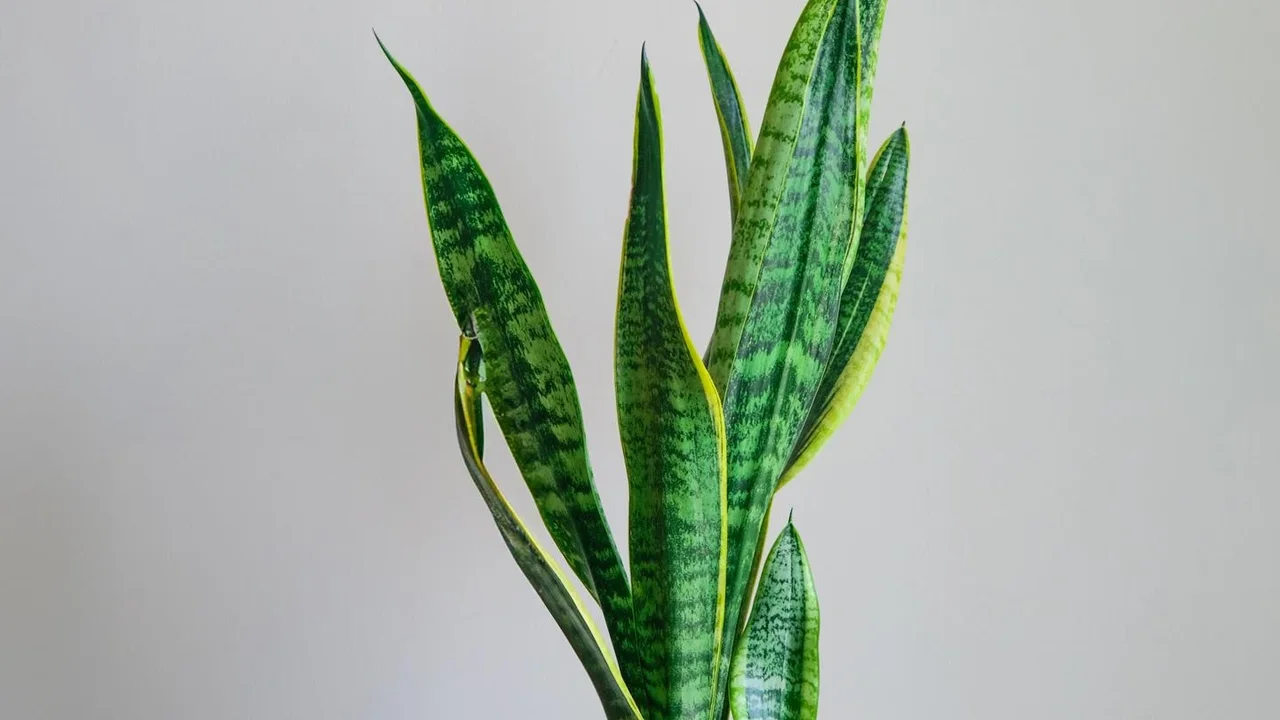
Don't despair if you have a shady spot; many plants thrive in these conditions. The Snake Plant (Sansevieria trifasciata) is nearly indestructible, tolerating low light and infrequent watering. Its upright, architectural leaves make a strong statement. Similarly, the ZZ Plant (Zamioculcas zamiifolia) is a beginner's best friend, known for its glossy leaves and ability to handle neglect. The classic Money Plant (Pothos), a favourite in many Indian homes, is also incredibly adaptable to lower light levels, perfect for shelves or hanging baskets.
For Bright, Indirect Light
Most common houseplants flourish in the gentle brightness of a room with ample natural light but no harsh, direct sun. This is the ideal spot for a Peace Lily (Spathiphyllum), which offers lush green leaves and elegant white blooms. It even tells you when it's thirsty by drooping its leaves. Another excellent choice is the Spider Plant (Chlorophytum comosum), with its arching, striped leaves and baby 'spiderettes' that are easy to propagate. Philodendrons, with their heart-shaped leaves, and the popular Monstera deliciosa also do beautifully in these conditions, adding a tropical feel.
Next, Be Honest About Upkeep
Your lifestyle determines how much time you can devote to your plants. If you're busy, travel often, or are a self-proclaimed 'plant killer', choose low-maintenance varieties. Many of the best low-light plants are also low-upkeep. Snake Plants and ZZ Plants, for example, need watering only every two to four weeks. They would rather be too dry than too wet. On the other hand, if you enjoy the ritual of nurturing plants, you might try a fern or a Calathea, which require more consistent moisture and humidity to look their best.
The Best Low-Upkeep Plants
For those seeking greenery without the fuss, start with the most forgiving plants. The Snake Plant and ZZ Plant are top contenders for their ability to thrive on neglect. The Money Plant (Pothos) is also incredibly resilient and will grow enthusiastically with minimal care. These plants are perfect for beginners because they give you confidence and are hard to kill with normal indoor care. They are more likely to suffer from overwatering than underweighting, so when in doubt, wait another day.
Finally, Match Your Decor Style
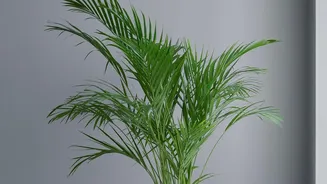
Once you know what plants can survive in your home, it's time for the fun part: decor. Use plants to add texture, height, and colour. A tall Areca Palm or Rubber Plant can anchor a living room corner, creating a focal point. Trailing plants like Pothos or Philodendrons soften hard edges when draped over a bookshelf or cabinet. For a pop of colour, a Croton can offer vibrant reds, oranges, and yellows, provided it gets enough bright light. Consider the pot as well; a decorative container can tie the plant into your existing colour scheme and aesthetic. Don't be afraid to group plants of different sizes and textures to create a lush, jungle-like feel.