







Why Festive Foods Are a Prime Target
The logic is simple: high demand creates a lucrative market for unscrupulous producers looking to cut corners and maximize profits. During festivals like Navratri and Diwali, the consumption of milk-based products like khoya, paneer, and ghee, as well
as sweets and edible oils, soars. To meet this surge, some suppliers resort to adulteration. This involves bulking up products with cheaper, often non-edible or harmful substances. The Food Safety and Standards Authority of India (FSSAI) has noted that this sharp rise in demand makes it a critical period for heightened vigilance to prevent unsafe food from reaching consumers.
Inside the Nationwide Enforcement Drive
In response, the FSSAI has directed food safety departments in all states and Union Territories to conduct a special enforcement and surveillance drive. This initiative involves increased inspections and sample collection from markets, with a focus on identified hotspots known for manufacturing or selling these high-demand items. For instance, recent raids in Delhi-NCR led to the seizure and destruction of thousands of kilograms of suspected adulterated khoya and paneer. Authorities in Maharashtra also seized food items worth over ₹1.36 crore in a four-day statewide operation. To enhance these efforts, mobile testing vans, known as 'Food Safety on Wheels', are being deployed in prominent markets for on-the-spot testing and consumer awareness.
The Most Watched-For Products
The FSSAI's directive specifically targets a list of food items that are most susceptible to adulteration during this period. The primary focus is on milk and milk products, which form the base of most traditional Indian sweets. This includes khoya (milk solids), paneer (cottage cheese), and ghee. Sweets themselves are under intense scrutiny, along with snacks, savouries, edible oils, and beverages. The drive is also adaptable to local consumption patterns, with a focus on items like kuttu (buckwheat) and singhada (water chestnut) flour in northern and western regions, which are in high demand during Navratri fasting.
Common Adulterants and Their Dangers
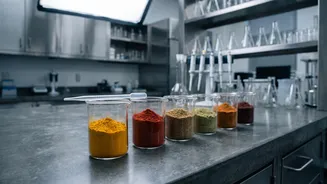
Adulterants can range from relatively harmless fillers to outright toxic chemicals. In milk products like khoya and paneer, starch, wheat flour, and even blotting paper are common additives used to increase weight. More alarmingly, substances like urea, detergent, and caustic soda have also been found. Ghee is often mixed with cheaper vanaspati (hydrogenated vegetable oil) or other fats, which contain unhealthy trans fats. Sweets can be coloured with non-permitted industrial dyes like metanil yellow instead of safe food colouring, and may feature aluminium foil instead of pure silver varq. These adulterants can cause anything from stomach ailments to severe long-term health issues, including kidney damage, heart disease, and cancer.
How to Protect Yourself as a Consumer
While authorities are cracking down, consumers can also take steps to stay safe. First, always try to buy from reputable and licensed vendors. Check the packaging for an FSSAI license number. Be wary of sweets that are excessively bright, as this can indicate the use of non-permitted colours. There are also simple home tests you can perform. For ghee, a common test is to melt a spoonful in a pan; pure ghee will melt quickly and turn a clear golden-brown, while adulterated ghee may take longer and leave a residue. To check for starch in paneer or khoya, boil a small sample in water, let it cool, and add a drop of iodine solution. If it turns blue, it indicates the presence of starch.