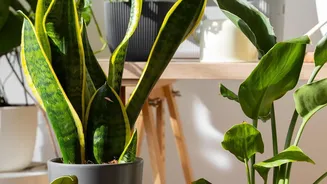







The Myth: Nature's Air Purifiers
The belief that houseplants are powerful air purifiers largely stems from a landmark 1989 NASA study. Researchers, looking for ways to clean the air in sealed space stations, found that common houseplants could remove volatile organic compounds (VOCs)
like benzene and formaldehyde from small, sealed chambers. This study was groundbreaking and has been cited countless times, leading to popular lists of 'air-purifying' plants like the spider plant, snake plant, and peace lily. The promise was simple and seductive: add a few plants to your home and breathe cleaner, healthier air.
The Reality: Lost in a Real Room
The major issue is that the NASA study's conditions—a small, hermetically sealed chamber—are nothing like a typical home or office. Our homes have much larger volumes of air and are constantly exchanging it with the outdoors through windows, doors, and ventilation systems. Subsequent reviews of the research have concluded that you would need an impossibly large number of plants to make a meaningful difference. One 2019 analysis found that to achieve the same air-cleaning rate as simply opening a window or using a building's ventilation system, you'd need anywhere from 10 to 1,000 plants per square metre. In a standard 1,500-square-foot home, that could mean having over 680 plants to see a significant impact. So, while plants do absorb VOCs, their effect is vastly diluted in a real-world setting.
What About Newer Studies?
Research hasn't stopped, but the focus has shifted. Some more recent studies under real-world conditions have shown modest improvements. For example, one 2023 study found that introducing plants into office environments was associated with a 25-50% reduction in total VOCs, particularly alcohols and ketones. However, these studies often involve a high density of plants. The general scientific consensus remains that for the average person, houseplants are not an effective substitute for proper ventilation or dedicated air purifiers. Natural air exchange in a building simply cleans the air much faster and more efficiently than a few potted plants can.
The Real, Proven Benefits of Indoor Plants
This doesn't mean you should give up on your green friends. The true power of houseplants lies in their well-documented psychological benefits. Numerous studies have shown that interacting with indoor plants can reduce both physiological and psychological stress. Having plants in your environment can lower blood pressure, improve your mood, and promote feelings of comfort and calm. They can enhance concentration and productivity, making them great additions to a home office. Some studies have even linked the presence of plants in hospital rooms to faster recovery times and reduced anxiety for patients. This connection to nature, known as biophilia, is a powerful and proven benefit that has nothing to do with VOC removal.
The Verdict: Greenery for Wellbeing, Not for Air
So, should you fill your home with indoor greenery? Absolutely. Plants add beauty, life, and a tangible sense of calm to any space. They are a wonderful hobby and can significantly boost your mental wellbeing. Just don't buy them under the illusion that they are scrubbing your air clean. Think of them as living decor with mood-boosting side effects. If you're genuinely concerned about indoor air quality, your best bet is to focus on good ventilation—opening windows regularly—and investing in a high-quality air purifier designed to filter out VOCs and other pollutants. Enjoy your snake plant and pothos for what they are: beautiful, stress-reducing companions.