


NASA is embarking on its most ambitious chapter since the Apollo era: returning humans to the Moon, this time to stay. This monumental effort requires more than rockets and robots; it requires a new generation of talent to build humanity's future in space.
The Dawn of a New Space Age
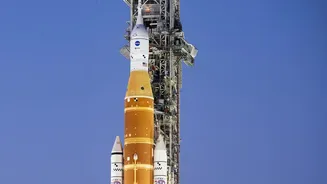
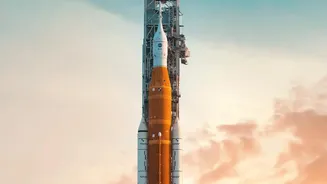
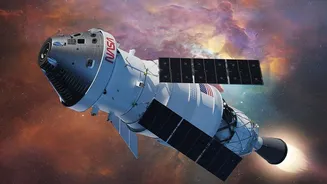
More than half a century after the last boot prints were left in the lunar dust, humanity is going back. The Artemis program is NASA's multi-stage plan not just to visit the Moon, but to build a sustainable human presence there. This initiative involves a series of increasingly complex missions, starting with uncrewed tests and lunar flybys, leading to a crewed landing planned for 2028 and the eventual construction of a permanent lunar base. Unlike the Apollo program, which was a sprint fueled by a geopolitical race, Artemis is a marathon. The goal is to create a blueprint for long-term life beyond Earth, using the Moon as a crucial stepping stone to prepare for the next giant leap: sending astronauts to Mars.
Wanted: The Artemis Generation
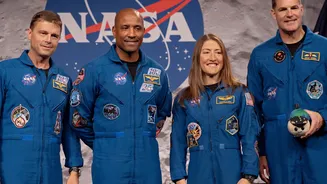
Powering this ambitious vision requires a significant expansion of NASA's workforce. The agency has launched a major hiring drive to recruit the talent needed for the Artemis missions and beyond. While the recent call for a new astronaut class, with applications closing December 3, 2026, has captured headlines, the hiring initiative is far broader. NASA needs engineers, scientists, technicians, and program managers to design, build, and operate the complex systems that will carry humans to the Moon and Mars. The previous astronaut recruitment in 2024 saw over 8,000 applicants for just 10 spots, highlighting the intense competition and the powerful draw of space exploration. With only 32 active astronauts, NASA has stated it has 'far more work than we have astronauts,' signaling a critical need for new recruits.
More Than Just Astronauts
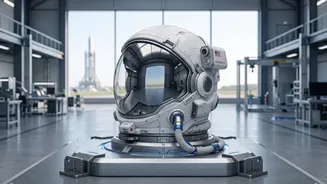
The iconic image of an astronaut may be the face of NASA, but the backbone of every mission is a vast team on the ground. This hiring drive extends to a wide array of roles crucial for human spaceflight. Opportunities include aerospace, mechanical, electrical, and software engineering positions. There is a demand for flight software engineers, system safety analysts, and AI and data scientists to develop the cutting-edge technology required for autonomous systems and mission support. These roles are not just at NASA centers but also with a growing number of commercial partners. The work involves everything from designing next-generation spacesuits and lunar rovers to managing the complex logistics of building a habitat on another world.
Fueling an Economic Engine
The Artemis program is not just an investment in exploration; it's a significant driver of economic activity and innovation. By partnering with commercial companies like SpaceX and Blue Origin for launch services and lunar landers, NASA is fostering a burgeoning space economy expected to be worth over a trillion dollars in the next decade. This strategy stimulates competition, lowers costs, and creates high-tech jobs across the United States. A significant portion of NASA's procurement budget flows to small businesses, which are essential suppliers for everything from rocket components to ground systems. The technologies developed for Artemis, from advanced life support to new power systems, have the potential for wide-ranging applications back on Earth, continuing NASA's long history of driving innovation.