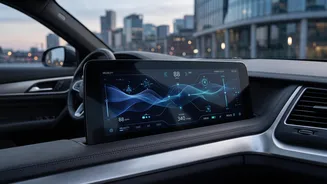









The Car Is a Computer on Wheels
Modern vehicles are far more than just engines and wheels; they are sophisticated, internet-connected devices. These 'connected cars' offer a wealth of features, from real-time navigation and remote unlocking to in-car entertainment and predictive maintenance
alerts. To provide these services, cars are equipped with an array of sensors, cameras, and GPS receivers that generate an enormous amount of data—up to 25 gigabytes per hour. But as a revealing study from Northeastern University, conducted in partnership with Consumer Reports, has shown, this convenience comes at a significant cost to your privacy. The research sought to answer a crucial question: where does all this data actually go?
What the Study Uncovered
Researchers tested 21 vehicles from 19 different brands, along with 30 companion mobile apps. They found that the vast majority of cars and nearly all apps were communicating with third-party companies. The problem was particularly pronounced with the mobile apps that owners use to interact with their vehicles. While the cars themselves contacted some advertising and tracking domains, using a companion app often doubled the number of third parties receiving data. In total, 28 of the 30 apps tested shared data with at least one external advertising or analytics firm. The recipients were not obscure entities but household names, including Google, Meta, Microsoft, and Amazon.
It’s More Than Just Driving Habits
The data being shared is not anonymous or trivial. The study found that seven of the 30 apps transmitted personally identifiable information to third parties. This included sensitive details like names, email addresses, phone numbers, and precise geolocation. Even more concerning, some apps from major brands like General Motors, Honda, and Nissan were found to be sending a vehicle's unique Vehicle Identification Number (VIN) packaged with other personal data like an email address or location. Unlike a phone's advertising ID, a VIN cannot be reset, creating a permanent link between a person, their vehicle, and their digital activity that can be used for profiling. This allows data brokers and ad companies to build detailed profiles of vehicle owners.
The Transparency Problem
When confronted, many automakers defended the data sharing, stating it was covered by their vendor contracts and lengthy privacy policies. Seven manufacturers told the researchers that it is ultimately the owner's responsibility to read and accept the terms for every service, including pre-installed software. However, these privacy policies are often dense and difficult for the average consumer to understand. Furthermore, the study highlights that consumers are often drawn into this data ecosystem without realising it. Some automakers even warn that opting out of data collection could result in the loss of key vehicle features or, in some cases, render the vehicle inoperable, leaving consumers with little meaningful choice.
What Can You Do About It?
While the situation may seem grim, there are steps consumers can take to reclaim some control. Start by reviewing the privacy settings in both your car's infotainment system and its companion mobile app. Many automakers provide an online portal where you can submit requests to limit data sharing or delete your information completely. Be mindful of the permissions you grant to your vehicle's app on your smartphone; you can often restrict access to location data and other sensors. It’s also wise to be cautious about which third-party services you link to your vehicle. Before you sell your car, remember to perform a factory reset of the infotainment system to wipe your personal data, just as you would with a phone or computer.