



The Double Carb Dilemma
‘Double carbing’ is a simple term for eating two significant sources of carbohydrates in the same meal. Think pasta served with garlic bread, a burger with a side of fries, or a classic Indian meal of curry with both rice and naan. While there's nothing
inherently wrong with carbohydrates—they are your body's primary energy source—combining two, particularly refined ones, can create a meal that is extremely dense in calories and low in other essential nutrients like protein and fibre. This pattern is easy to fall into, especially when eating out, where large, starchy sides are often presented as standard options or tempting add-ons. Over time, regularly consuming these calorie-heavy combinations can contribute to weight gain, blood sugar spikes, and an overall feeling of sluggishness.
The Calorie Creep is Real
The main issue with double carbing is how quickly the calories accumulate, often without you registering it. A standard restaurant side of fries can pack between 350 to 500 calories, while a loaded baked potato can exceed 600 calories. A side of mashed potatoes might seem harmless, but with butter and cream, it can easily reach 400 calories. A seemingly innocent bread basket can add another 200-300 calories before your main course even arrives. When you combine two of these, say, fries (400 calories) with your burger bun (150 calories), you're looking at 550 calories from carbohydrates alone, before even accounting for the patty, cheese, and sauces. This phenomenon is often called 'portion distortion,' where oversized servings have become so normal that we've lost track of what a standard portion looks like. The result is that a single meal can quietly approach or even exceed half of an individual's recommended daily calorie intake.
Why Your Brain Gets Tricked
There’s a powerful psychological component at play. Studies show that people tend to eat more when served larger portions, a phenomenon known as the 'portion size effect'. Our brains are often wired to finish what's on our plate, a habit ingrained since childhood. When a large plate arrives with a main dish and two generous sides, we often eat it all without consulting our body's actual hunger cues. The Delboeuf illusion, an optical trick where the same amount of food looks smaller on a larger plate, can also lead us to feel less satisfied and eat more. Restaurants have learned that offering bigger portions or extra sides for a small additional cost feels like a good value to the customer, encouraging us to consume more than we need. This creates a cycle where we overeat without feeling like we’ve done anything out of the ordinary.
It's Not About Demonising Carbs
It is crucial to understand that this isn't an argument against eating carbohydrates. Carbs are essential for a healthy diet, providing the glucose your brain and muscles need to function. The key is balance and quality. Experts recommend that carbohydrates make up 45% to 65% of your total daily calories. The problem arises from an imbalance: meals heavy on refined carbs (like white bread, white rice, and fries) and light on protein, healthy fats, and fibre. Pairing carbs with protein and fibre slows down digestion, leading to a more gradual rise in blood sugar and helping you feel full and satisfied for longer. The goal is to build a balanced plate, where carbohydrates are just one component alongside lean proteins and plenty of vegetables.
Smarter Side Strategies
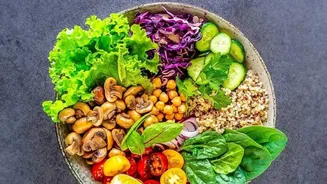
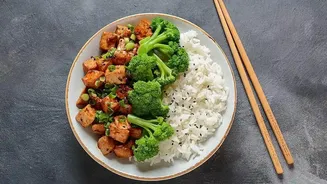
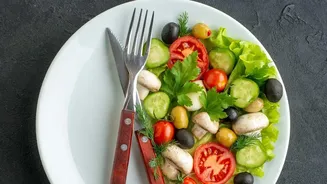
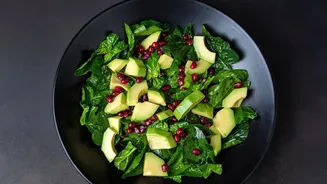
Breaking the double-carb habit doesn't require extreme restrictions, just more mindful choices. When ordering, consciously choose just one starchy side and make the other a non-starchy vegetable. Instead of fries with your sandwich, ask for a side salad or steamed broccoli. At an Italian restaurant, enjoy the pasta but skip the complimentary bread basket, or at least limit yourself to one piece. When building your plate at home, follow the balanced plate method: fill half your plate with vegetables, a quarter with a lean protein source, and the final quarter with a high-fibre carbohydrate like brown rice, quinoa, or a baked sweet potato. Being aware of these simple swaps can drastically reduce your calorie intake without leaving you feeling deprived. It’s about making the choice, rather than letting the menu make it for you.