






A Fleet for the Future
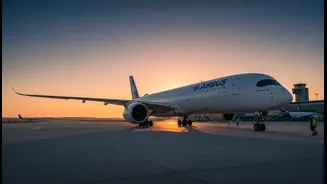
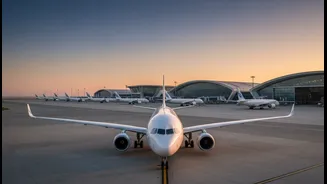
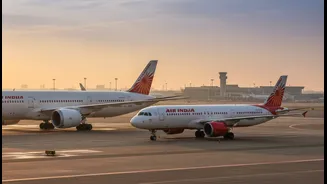
The most tangible sign of Air India's new era is its monumental fleet expansion. After years of operating with an aging and inconsistent fleet, the airline placed a historic order for hundreds of new aircraft from both Airbus and Boeing. This includes
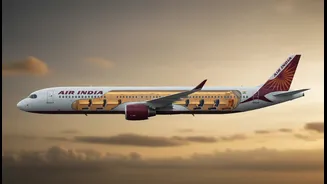
a mix of narrow-body planes for domestic and short-haul routes, and state-of-the-art wide-body aircraft for long-haul expansion. The Airbus A350 has become the flagship of this new generation, already earning praise on routes to London, New York, and Newark for its modern design and superior comfort. The first brand-new Boeing 787-9 Dreamliners also began arriving in early 2026, with a steady stream of new planes, including A350-1000s, expected throughout the year and beyond. This massive investment is not just about replacing old planes; it's a strategic move to improve fuel efficiency, reduce maintenance issues, and build a foundation for reliable and scalable growth.
A World-Class Cabin Experience
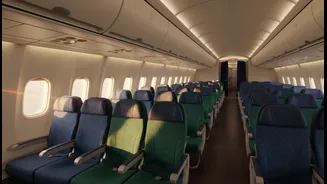
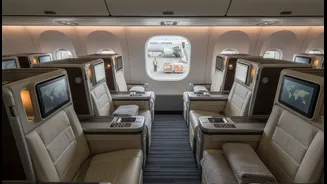
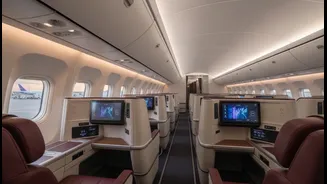
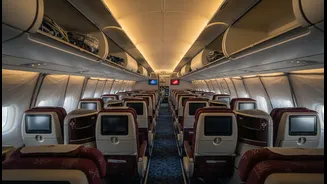
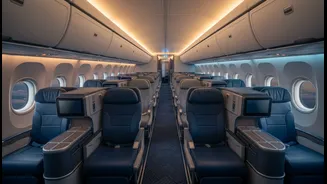
For years, inconsistent and outdated cabins were a major pain point for passengers. Addressing this is a cornerstone of the Vihaan.AI transformation plan. The airline has committed hundreds of millions of dollars to a massive retrofitting project for its existing wide-body fleet, primarily the Boeing 777 and 787-8 aircraft. These planes are being progressively pulled from service and fitted with brand-new interiors, including lie-flat business class seats, a new Premium Economy cabin, and refreshed economy seats with modern in-flight entertainment. The first retrofitted B787-8 aircraft are re-entering service in 2026. By the end of the year, Air India projects that more than half of its flights to North America will feature new or upgraded interiors. The goal is to create a consistent, globally competitive product that can rival the world's top carriers, moving beyond the functional and into the realm of a premium passenger experience.
Rebuilding a Global Network
A modern fleet is only as good as the routes it flies. Under new leadership, Air India is strategically rebuilding its network with a focus on commercial viability and connectivity. This involves a two-pronged approach. First, the airline is strengthening its presence on key international trunk routes, increasing frequencies to high-demand destinations like Toronto and London. For example, as of August 2026, all flights to London Heathrow are set to be operated by aircraft with new or upgraded cabins. Second, Air India is cautiously resuming and launching routes that connect India directly to global economic and diaspora hubs, such as the resumption of flights to Rome and the addition of services to Shanghai. While some routes were temporarily rationalised in mid-2026 to ensure network stability amidst operational challenges, the airline plans to restore most of this capacity from September 2026 onwards. This calculated expansion is designed to position Delhi and Mumbai as powerful international hubs, feeding traffic from across India to the rest of the world.