








The RBI's Traditional Economic Dashboard
To steer the economy, the RBI has traditionally relied on 'hard' data. Think of indicators like Gross Domestic Product (GDP), which measures the size of the economy, inflation rates (CPI), industrial production, and credit growth. These metrics are crucial
for building a picture of economic health. They tell the central bank how fast the economy is growing, whether prices are stable, and if businesses are borrowing and expanding. This data forms the bedrock of monetary policy, helping the RBI decide whether to raise interest rates to cool down an overheating economy or lower them to encourage growth. However, this data is often backward-looking, reflecting what has already happened, not necessarily what's coming next.
A New Source of Insight: Household Surveys
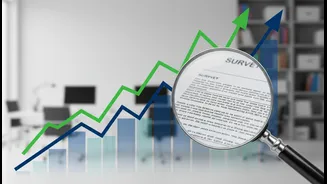
This is where household surveys come in. The RBI regularly conducts several key surveys, such as the Consumer Confidence Survey and the Inflation Expectations Survey of Households. These aren't just academic exercises; they are systematic efforts to understand the mood of the nation. On July 9, 2026, the RBI launched its latest round of these surveys across dozens of urban and rural centres. They ask people qualitative questions about their feelings on the general economic situation, job prospects, income, and, crucially, their spending plans. These surveys capture public sentiment, providing a real-time, forward-looking counterpoint to traditional economic numbers.
Why Sentiment Is a Powerful Indicator
Consumer sentiment is a powerful driver of economic activity. If people feel optimistic about the future, they are more likely to spend on non-essential items, take out loans for cars or homes, and make investments. This fuels economic growth. Conversely, if households are pessimistic—worried about job losses or rising prices—they tend to save more and cut back on discretionary spending. This can slow the economy down. Recent survey rounds from May 2026 showed that while people were concerned about the present, there was a dip in future optimism as well, signaling a potential pullback in consumption. By tracking this sentiment, the RBI gets an early warning about the potential direction of consumer demand, which makes up a huge portion of India's economic engine.
The Gap Between Official Data and Lived Experience
There can sometimes be a disconnect between official inflation statistics and what households feel they are paying for everyday goods. The RBI's surveys help bridge this gap. For instance, even if headline inflation is moderate, household surveys might show that people expect prices to rise sharply in the coming months. This perception of future inflation is critical because it influences behaviour today. If people expect prices to go up, they might demand higher wages or rush to buy goods, which can itself contribute to inflation. By capturing these subjective assessments, the RBI gets a more nuanced understanding of price pressures on the ground.
How This Could Shape Future Policy
The insights gathered from these household surveys are flagged as crucial inputs for the RBI's Monetary Policy Committee (MPC), which is scheduled to meet in early August 2026. A strong sense of consumer optimism and spending intent might give the RBI confidence that the economy can handle existing interest rates. On the other hand, widespread pessimism and a sharp drop in spending intentions could signal that the economy is weakening, potentially prompting the committee to consider a more accommodative stance. By blending hard data with the softer, but equally important, data on household sentiment, the central bank can make more informed and responsive decisions that are better aligned with the economic reality faced by millions of Indians.