

More Than Just Storage
For centuries, woven baskets have been functional items, used for carrying and storing goods. Today, however, their role has expanded dramatically. In contemporary design, they are celebrated not just for their utility but for their aesthetic power. The
trend is a response to the often stark, minimalist interiors that have dominated recent years. A handwoven basket introduces an organic, textural element that can instantly make a room feel more inviting and complete. It’s a move away from mass-produced uniformity towards pieces that feel authentic and soulful. Whether holding a plant, storing blankets, or simply sitting as a sculptural object, a basket adds a layer of visual interest that few other decor items can match.
A Story in Every Weave
Part of the growing appeal of these baskets is their connection to craftsmanship and heritage. Each artisanal basket tells a story of the materials, the maker, and the culture it comes from. From the sturdy Bolga baskets of Ghana, made from elephant grass, to the intricate seagrass and rattan designs from Vietnam, these objects are tangible links to global traditions. This embrace of handcrafted goods aligns with a broader cultural shift towards sustainability and conscious consumerism. Choosing a handwoven basket over a plastic alternative is a vote for eco-friendly materials like bamboo, jute, and seagrass, which are renewable and biodegradable. It’s a way of decorating that feels both personal and responsible.
How to Style Your Woven Baskets
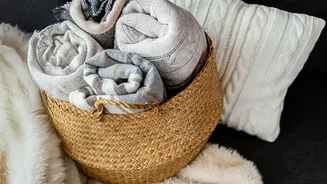
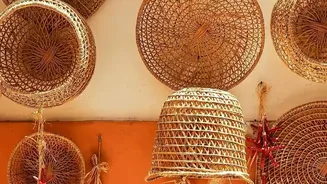
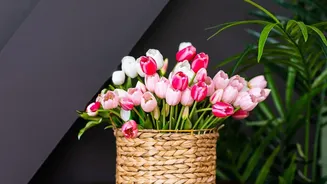
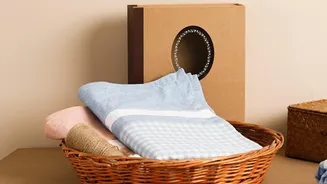
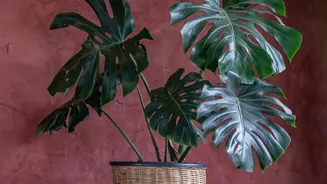
Integrating woven baskets into your decor is incredibly versatile. For a subtle touch, use smaller baskets on shelves to corral clutter or in the bathroom for toiletries. In the living room, a large basket next to the sofa is the perfect home for extra throw blankets and pillows. They also make excellent and stylish plant pot covers, adding a natural element that complements the greenery. Don’t be afraid to think outside the box. A collection of flat, decorative baskets can be hung on the wall to create a unique and textural art installation, offering an alternative to traditional framed prints. In an entryway, a large basket can serve as a chic catch-all for shoes and bags.
Choosing the Right Basket
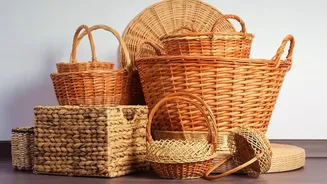
When selecting a basket, consider both its function and the style of your space. Materials are key: seagrass and water hyacinth offer a classic, natural look, while jute is durable and earthy. For a pop of personality, look for baskets with colourful patterns or unique shapes. Size is also important. A large, standalone basket can act as a focal point, while a cluster of smaller baskets can create a dynamic display. Consider the weave as well; a tight weave is great for holding smaller items, while an open weave can feel more light and sculptural. Ultimately, the best choice is a basket that complements your existing decor while adding its own distinct character.
An Ethical and Enduring Trend
The popularity of artisanal baskets signals a move toward a more thoughtful and intentional way of decorating. Many are produced through fair-trade partnerships that ensure artisans receive a fair wage for their skills, supporting local communities and helping to preserve generations of craftsmanship. By investing in these pieces, you are not just acquiring a beautiful object but also contributing to a more sustainable and ethical home decor industry. Unlike fleeting trends, the appeal of a well-made, handcrafted basket is timeless. It’s a piece that adds warmth, character, and a sense of history to your home, making it feel more curated and personal.