



The Ancient Grain on Your Breakfast Table
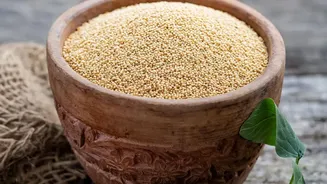
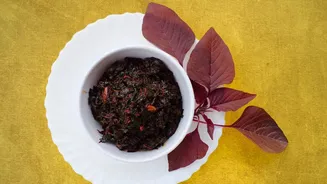
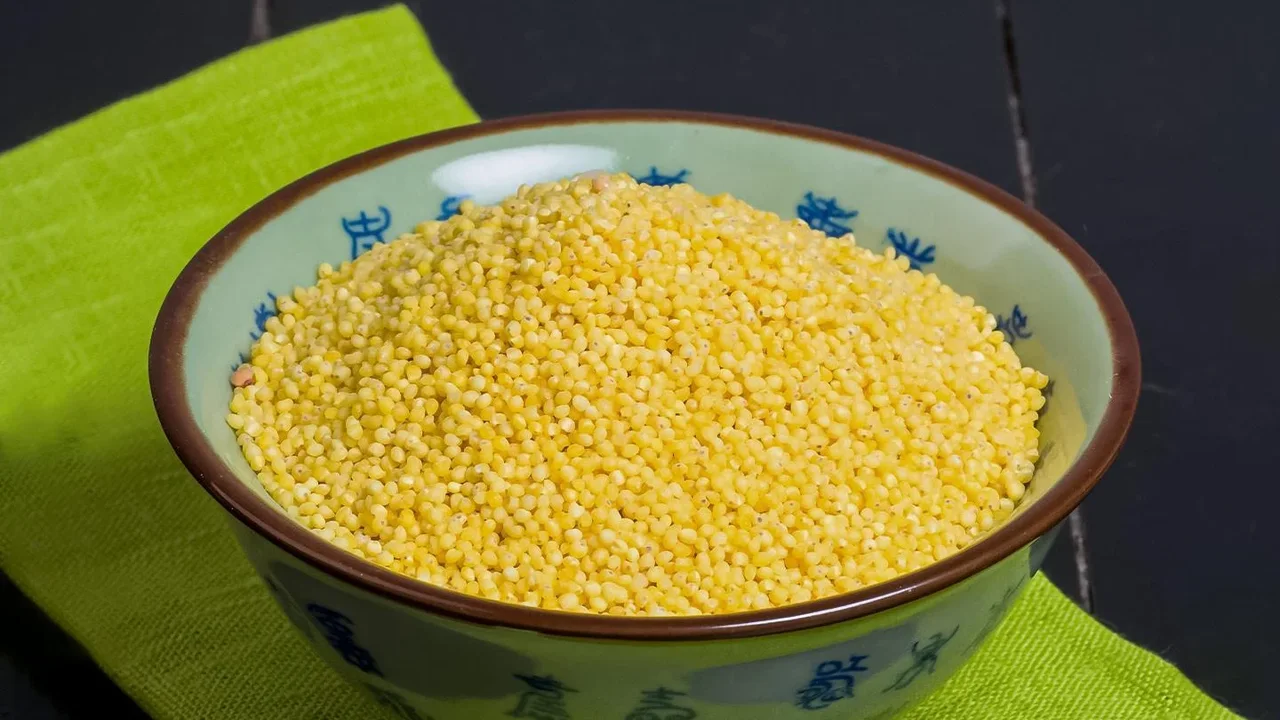
Amaranth, or rajgira, is not technically a grain but a 'pseudo-cereal', a seed that is cooked and eaten like a grain. For centuries, it has been a staple in India, revered in Ayurveda and often consumed during religious fasts like Navratri because it is naturally
gluten-free. This tiny powerhouse was a staple food for ancient civilisations like the Aztecs and is now being rediscovered for its impressive nutritional profile and versatility in the kitchen. Often called 'Ramdana' (God's own grain) or 'Rajgira' (the royal grain), it has a rich history embedded in Indian culture, valued for boosting stamina and aiding digestion. Its slightly nutty, earthy flavour makes it a fantastic and nutrient-dense addition to any meal, but it is particularly well-suited for a fulfilling breakfast that keeps you energised through the morning.
A Nutritional Powerhouse for Bone Health
The renewed interest in amaranth comes down to its incredible nutrient density. It is an excellent source of plant-based protein, and notably, it is a complete protein, meaning it contains all nine essential amino acids, including lysine. This is rare for plant foods and makes it especially valuable. Protein is a fundamental building block for the body, crucial for repairing tissues and maintaining muscle strength. Furthermore, amaranth is exceptionally rich in minerals essential for bone nutrition. It provides a significant amount of calcium, the primary mineral that makes up our bones. It is also packed with magnesium and phosphorus, which work alongside calcium to build strong bone structure. The presence of lysine in amaranth is particularly noteworthy as this amino acid helps the body to absorb calcium more efficiently, making it a highly effective food for supporting bone health.
Why It Matters for Your Bones
Strong bones are the foundation of a healthy, active life. Our bodies are constantly breaking down old bone and rebuilding new bone tissue, a process that requires a steady supply of key nutrients. Diets rich in calcium and protein are associated with greater bone mass and a lower risk of fractures. Protein provides the structural matrix of bone, while calcium fills in that matrix to make it strong and dense. Incorporating nutrient-rich foods like amaranth into your regular diet is a proactive way to support this lifelong process. While no single food is a magic bullet, a balanced diet featuring amaranth can contribute to the overall nutrient intake needed for maintaining bone integrity. It is a supportive measure, part of a holistic approach to wellness that includes a varied diet and regular exercise, not a guaranteed medical outcome or treatment for conditions like osteoporosis.
Idea 1: Creamy Amaranth Porridge
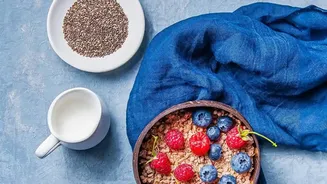
One of the simplest ways to enjoy amaranth is as a warm, creamy porridge. To make it, combine one part amaranth with two to two-and-a-half parts water or milk in a saucepan. Bring it to a boil, then reduce the heat, cover, and let it simmer for about 20-25 minutes, or until the liquid is absorbed and the mixture has a thick, porridge-like consistency. Stir occasionally to prevent it from sticking. From this basic recipe, the customisation options are endless. For a sweet start to the day, stir in a touch of jaggery or honey, a pinch of cardamom or cinnamon, and top with fresh fruits, nuts, and seeds. For a savoury twist, cook it with water and a pinch of salt, then top with sautéed vegetables, a sprinkle of fresh coriander, and a squeeze of lime.
Idea 2: Savoury Rajgira Upma
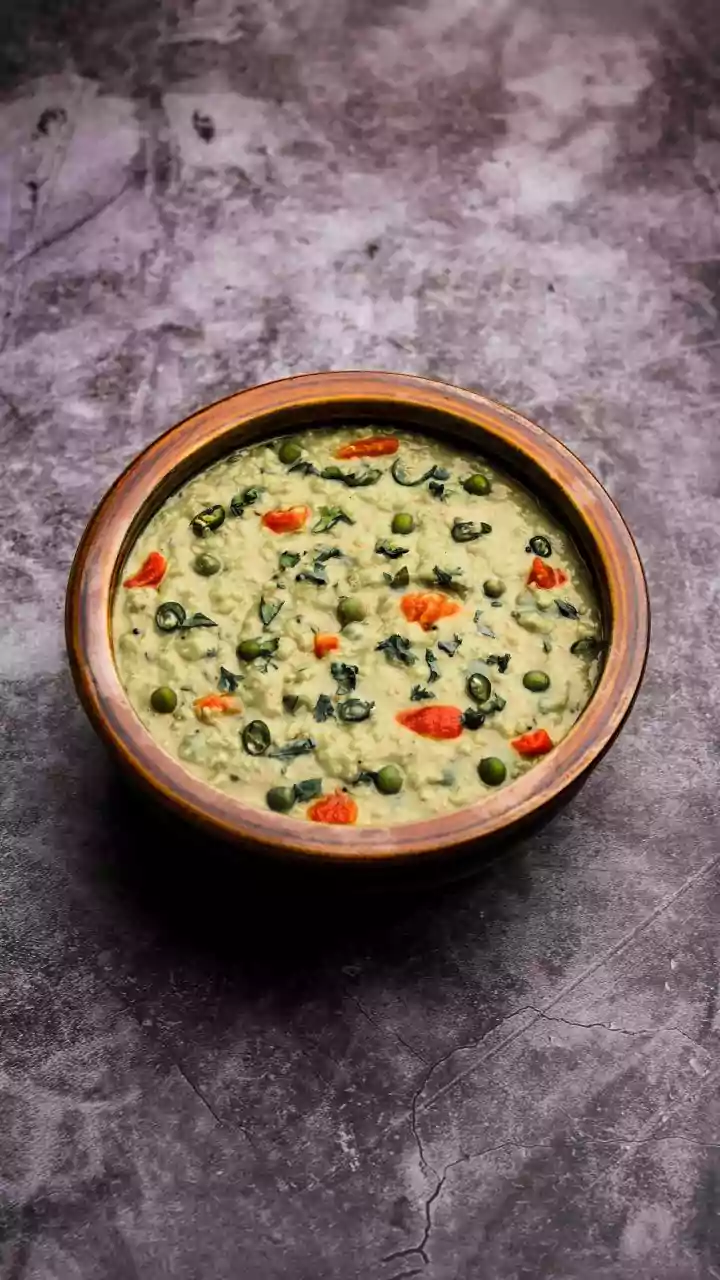
Give a classic Indian breakfast a nutritional upgrade by making upma with amaranth instead of semolina. First, cook the amaranth grains until they are soft but still hold their shape. In a separate pan, prepare a tempering of mustard seeds, cumin seeds, curry leaves, and asafoetida in a little oil or ghee. Sauté chopped onions, green chillies, and your favourite vegetables like carrots, peas, and capsicum until tender. Add turmeric and other spices, then stir in the cooked amaranth. Mix well, season with salt, and finish with a garnish of roasted peanuts, fresh coriander, and a squeeze of lemon juice. This savoury dish is a wonderful way to enjoy amaranth's unique texture and benefits in a familiar format.
Idea 3: Amaranth Flour Cheela or Paratha
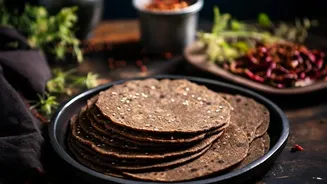
Amaranth flour, or rajgira atta, is a versatile, gluten-free flour that can be easily incorporated into your breakfast routine. You can make a simple and quick cheela (savoury pancake) by mixing rajgira atta with water or buttermilk, finely chopped vegetables like onions and tomatoes, and spices like cumin and chilli powder. Pour ladlefuls of the batter onto a hot tawa and cook until golden brown on both sides. Alternatively, you can mix amaranth flour with your regular whole wheat atta to make your daily parathas or rotis more protein-rich. Simply substitute about a quarter of the wheat flour with rajgira atta. This is an effortless way to add the nutritional benefits of amaranth to a breakfast staple without drastically changing its taste or texture.