





An Introduction to Jaggery
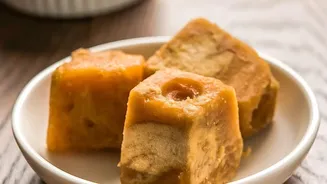
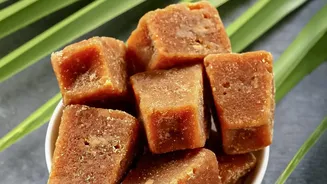
Jaggery, or 'gur' as it is widely known in India, is an unrefined sugar prized for its earthy flavour and nutritional profile. Unlike white sugar, which is stripped of its molasses during processing, jaggery retains these natural minerals. This results
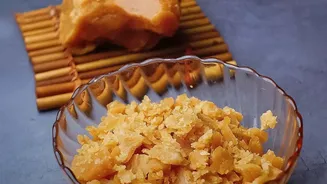
in a product with a flavour spectrum that can range from mild caramel to deep, smoky molasses, depending on its source—sugarcane or various palm saps—and production method. Its colour varies from a light golden to a rich dark brown. For centuries, jaggery has been a cornerstone of Indian cooking, used in sweets, savouries, and festive dishes. It is not just an ingredient but a part of India's culinary heritage, symbolizing prosperity and togetherness in countless traditions.
Nolen Gurer Payesh from Bengal
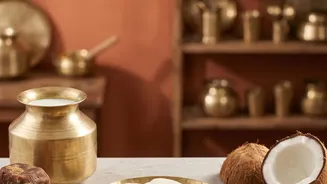
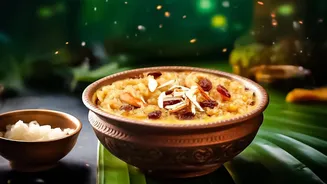
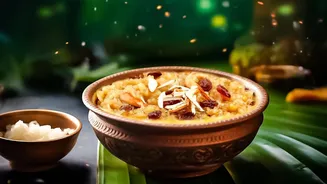
In Bengal, winter is synonymous with 'nolen gur', a special, highly aromatic date palm jaggery available only for a few months. This seasonal delicacy is the star of Nolen Gurer Payesh, a fragrant rice pudding. Traditionally made with Gobindobhog rice, a short-grain, buttery-smelling variety, the dish involves slow-simmering rice in full-fat milk until it thickens into a creamy consistency. The nolen gur is added at the end, off the heat, to prevent the milk from curdling while imparting its signature smoky sweetness and pale caramel hue. More than just a dessert, this payesh is an integral part of Bengali celebrations, from birthdays to festivals, embodying a taste of winter's finest offering.
Puran Poli from Maharashtra
Puran Poli is a beloved sweet flatbread from Maharashtra, often made during festivals like Ganesh Chaturthi and Holi. The name itself describes the dish: 'puran' refers to the sweet filling, and 'poli' is the flatbread that encases it. The filling is a soft, fragrant mixture of cooked chana dal (split Bengal gram) and jaggery, spiced with cardamom and nutmeg. This sweet puran is stuffed into a soft dough made from whole wheat flour or a mix of flours, then rolled out carefully and cooked on a griddle with ghee until golden and puffed. The result is a wonderfully soft bread with a melt-in-the-mouth, fudgy interior, best enjoyed warm with a generous dollop of ghee.
Adhirasam from Tamil Nadu
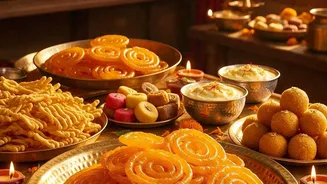
Adhirasam is an ancient Tamil sweet with a history stretching back centuries, even finding mention in inscriptions from the Vijayanagara empire. This doughnut-shaped delicacy is a staple during Diwali and other temple festivals. It is made from a dough of freshly ground rice flour and a carefully prepared jaggery syrup. The consistency of the jaggery syrup is crucial; it must reach a 'soft-ball' stage to give the adhirasam its characteristic texture—crisp on the outside with a soft, chewy inside. The dough is often rested, sometimes for a day or more, to develop flavour before being shaped into discs and deep-fried. Spiced with cardamom and sometimes black pepper, Adhirasam is a taste of true culinary heritage.
Til Gud Ladoo for Makar Sankranti
Across India, the harvest festival of Makar Sankranti is celebrated with sweets made from sesame seeds ('til') and jaggery ('gud'). Til Gud Ladoos are small, energy-packed balls that are both healthy and delicious. The preparation is simple: roasted sesame seeds are mixed with melted jaggery and often combined with peanuts and desiccated coconut. This warm mixture is quickly rolled into balls before it cools and hardens. In Maharashtra, these ladoos are exchanged among friends and family with the saying, 'Tilgul ghya, god god bola,' which translates to 'Take this sweet and speak sweet words.' It’s a beautiful tradition symbolizing goodwill and the warmth needed during the winter months.
Unniyappam from Kerala
Unniyappam are small, sweet fritters from Kerala, often prepared as a temple offering ('prasadam') and during festivals like Onam. The name translates to 'small rice cake' ('unni' meaning small, 'appam' meaning rice cake). The batter consists of rice flour, ripe bananas, coconut pieces, cardamom, and jaggery, which gives the fritters their distinctive dark brown colour. They are cooked in a special pan called an 'appakara' or 'unniyappam chatti', which has several hemispherical moulds. Fried in coconut oil or ghee, the resulting appams are beautifully browned and crisp on the outside while remaining soft and spongy within.