

The New 'Fast Train' Service
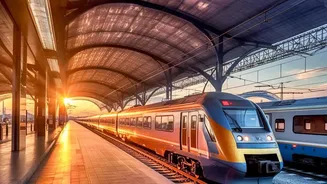
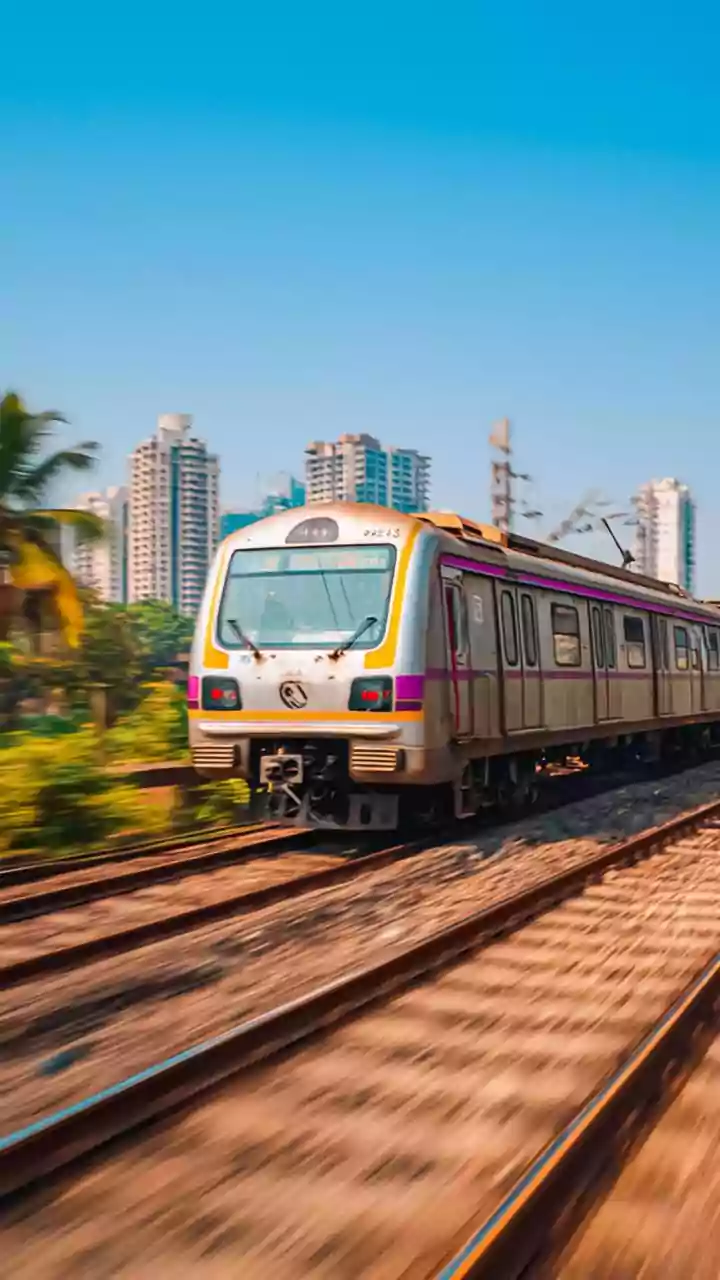
In a significant move to ease peak-hour congestion, the National Capital Region Transport Corporation (NCRTC) has launched 'Fast Namo Bharat' train services. These trains are not an expansion of the line itself, but a new category of service designed
for speed. Unlike the regular services that stop at all stations, these fresh trains halt at only five key stations along the 82-kilometre corridor. The designated stops are Sarai Kale Khan, Anand Vihar, Ghaziabad, Begumpul, and Modipuram. This limited-stop approach is specifically designed to benefit office-goers and students who rely on punctual and rapid transit, cutting down crucial minutes from their daily journey. Eight such services are scheduled to run on weekdays during morning and evening peak hours, with departures from both ends of the corridor.
How Much Time Will You Save?
The primary advantage of these new services is a significant reduction in travel time. A journey on the fast train from end-to-end, between Sarai Kale Khan in Delhi and Modipuram in Meerut, can be completed in less than 50 minutes. For context, the same journey by road can often take between three to four hours depending on traffic. The time savings on intermediate stretches are just as impressive. A trip from Anand Vihar to Ghaziabad now takes a mere eight minutes, while the stretch from Ghaziabad to Begumpul in Meerut can be covered in 28 minutes. Passengers travelling from Anand Vihar to Begumpul will find their journey shortened to just 36 minutes. Commuters heading to stations not on the fast-train list can continue to use the regular Namo Bharat services, which operate at a frequency of about 10 minutes.
Inside the Namo Bharat Experience
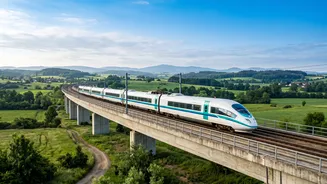
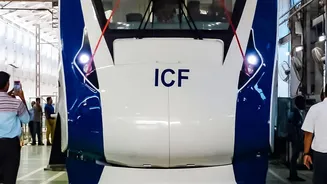
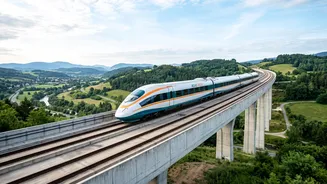
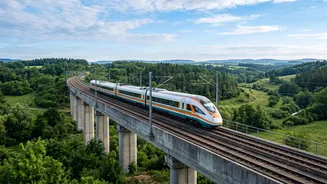
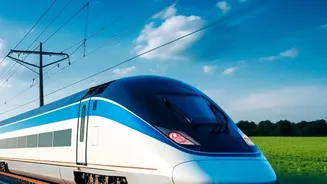
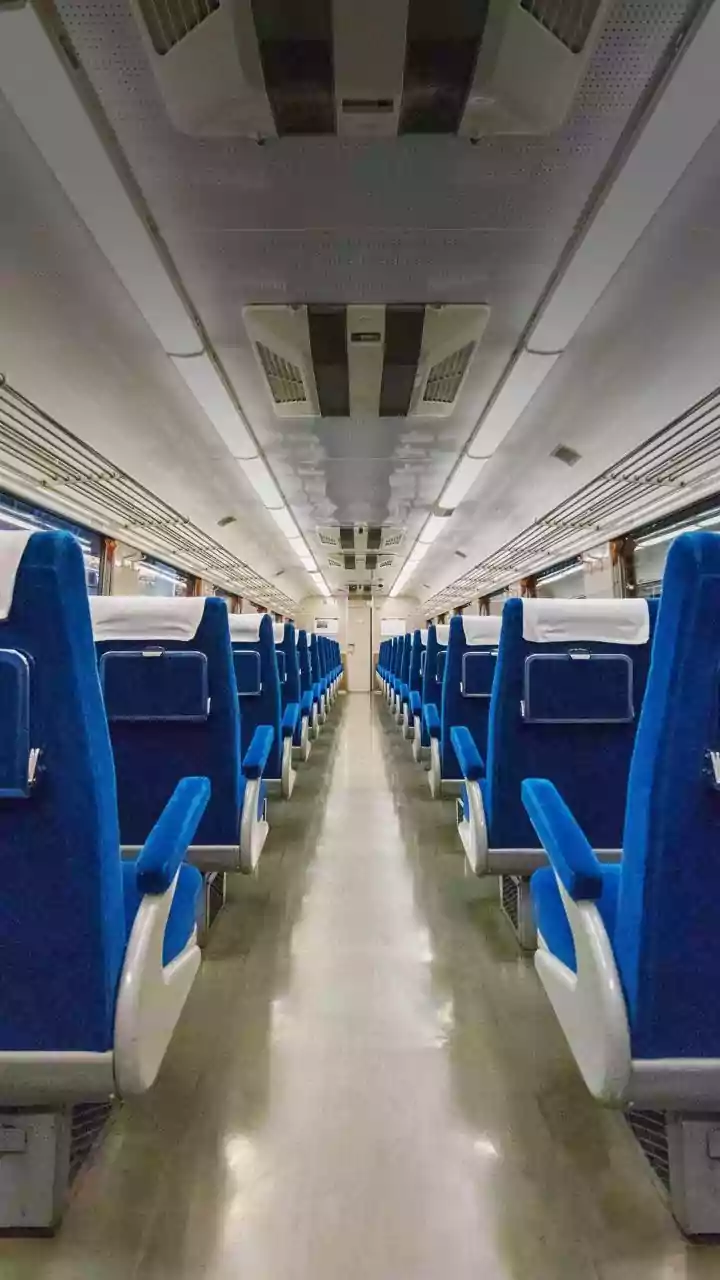
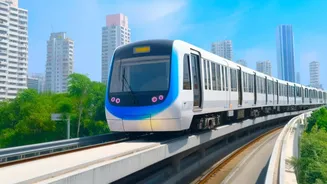
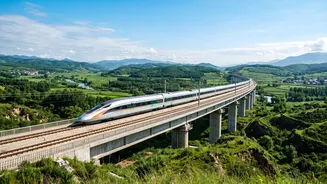
The Namo Bharat trains, which form the backbone of India's first Regional Rapid Transit System (RRTS), are a class apart from conventional metro or railway services. With a design speed of 180 km/h and an operational speed of 160 km/h, they are engineered for inter-city travel. Each air-conditioned train consists of six coaches, including a premium coach with extra amenities like reclining seats. Standard features across all coaches include comfortable seating, overhead luggage racks, on-board Wi-Fi, charging points for mobiles and laptops, and infotainment displays. The system uses advanced signalling technology for high-frequency operations and enhanced safety.
The Fully Operational Corridor
The introduction of these fast services comes after the entire 82.15 km Delhi-Ghaziabad-Meerut corridor became fully operational earlier in 2026. The line is a landmark infrastructure project, seamlessly connecting major hubs across the NCR. The Sarai Kale Khan station in Delhi, for instance, is a massive multi-modal hub, integrating with the Delhi Metro, Indian Railways' Hazrat Nizamuddin station, and the Vir Haqiqat Rai ISBT. The RRTS infrastructure is also shared with the Meerut Metro for local transit within the city, allowing for greater connectivity. The project is seen as a game-changer for regional mobility, expected to serve over 740,000 passengers daily and significantly reduce carbon emissions by shifting commuters from private vehicles to public transport.
Transforming the Region's Economy
The impact of the RRTS extends far beyond just the commute. The corridor is acting as a powerful catalyst for economic growth and balanced regional development. By slashing travel times to under an hour, it has made it feasible for people to work in Delhi while living in relatively more affordable areas like Meerut. This has led to a surge in property values along the corridor and has provided a major boost to local businesses and MSMEs in cities like Meerut. The enhanced connectivity is also creating a unified educational and employment belt, allowing students and professionals greater access to opportunities across the NCR without the need to relocate.