



Look for Vibrant Colour
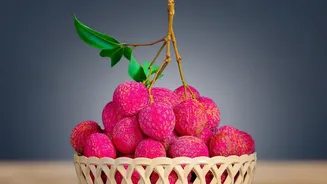
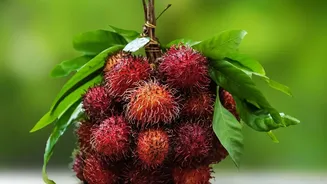
Your first clue to a fresh lychee is its colour. Look for fruit with a bright, vibrant red or deep pink skin. This generally indicates ripeness and flavour. While some varieties can have a lighter pink or even yellowish hue, most common types will be
reddish. It's important to know that lychees do not continue to ripen after they are picked, so what you see is what you get. Avoid fruits that are mostly green, as they are likely unripe and may have a bitter taste. Similarly, steer clear of those with significant dark brown or black patches, which can signal that the fruit is overripe or beginning to rot.
Inspect for Mould and Damage
The headline says it all: a healthy cluster should be free of visible mould and broken fruit. Check the stems and the areas where the fruits connect for any signs of fuzzy, greyish, or white mould. Mould can produce harmful substances, and even if it only appears on the skin, its unseen filaments may have already penetrated the flesh inside. For health reasons, any lychee showing signs of mould should be discarded immediately. Also, inspect for cracked or leaking fruits. A broken shell exposes the sugary flesh to air and bacteria, accelerating spoilage and attracting mould that can spread to the entire bunch. These damaged fruits should be separated and, if they still smell and taste good, eaten right away.
Use the Touch Test
Gently press a lychee to gauge its freshness. A perfectly ripe fruit should feel firm but give slightly under pressure, much like a ripe grape. It should feel plump and full. If it's rock-hard, it might be underripe. Conversely, if it feels overly soft, mushy, or wet, the fruit is likely overripe, has started to ferment, or is beginning to rot. A dry, brittle skin can also be a sign that the fruit is old and has lost moisture.
Trust Your Nose
A fresh, ripe lychee has a distinctively sweet and floral aroma. When you pick up a bunch, you should be able to detect this delicate, fragrant scent. If your smell test reveals a sour, fermented, or wine-like odour, it's a clear indicator that the fruit has gone bad. This 'off' smell means the sugars in the fruit have begun to ferment, and it's best to avoid them.
A Note on Brown Skin
While large dark patches are a bad sign, a small amount of browning on the skin doesn't automatically mean the lychee is spoiled. The skin, also known as the pericarp, is very thin and can start to brown when it loses moisture or is exposed to cool, dry air, such as in a refrigerator. This can also happen during shipping. If the skin has some brown mottling but the fruit still feels firm and smells sweet, the flesh inside is often still perfectly juicy and delicious. However, if the browning is accompanied by softness, a sour smell, or black, slimy spots, the fruit has spoiled.
How to Store Lychees Correctly
Once you've selected the perfect bunch, proper storage is essential to maintain their freshness. Leaving them at room temperature will cause them to spoil in just a couple of days. For best results, place the lychees in a perforated plastic bag or a container lined with a paper towel to absorb excess moisture. Store them in the refrigerator, where they can last for up to two weeks. For longer-term storage, lychees freeze exceptionally well. You can freeze them whole in their shells, or peel and pit them first. Frozen lychees can be kept for up to six months and make a delightful sorbet-like treat.