



The Railway Revolution: Vande Bharat
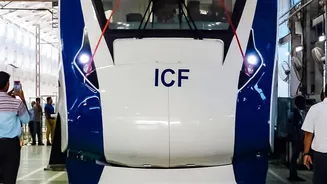
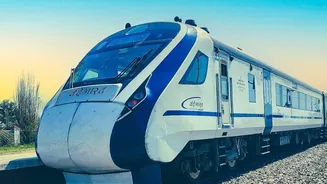
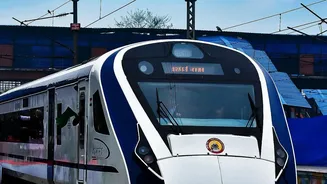
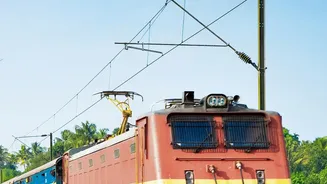
The most significant change for travellers is the introduction of the Vande Bharat Express. These semi-high-speed trains have revolutionized the route. Where older trains could take anywhere from 11 to 15 hours to cover the approximately 770-kilometre
distance, the Vande Bharat Express makes the trip in just eight hours. There are now multiple Vande Bharat services on this line, including a morning departure from New Delhi that reaches Varanasi by early afternoon, making it a comfortable day journey. This reduction of several hours not only cuts down on travel fatigue but also makes weekend trips a far more viable option. Instead of losing two full days to travel, passengers can now spend more time exploring their destination. The trains themselves offer a significant upgrade in comfort, with airline-style seating, onboard catering, and large windows to watch the landscape of Uttar Pradesh fly by.
Hitting the Road: Expressway Progress
For those who prefer to drive, the journey is also set to become much faster. While road travel times have traditionally been unpredictable and long, often exceeding 14-16 hours, new expressway projects under the Bharatmala Pariyojana are transforming connectivity. Key among these is the development of greenfield expressways designed for speeds of up to 120 km/h. While a direct Delhi-Varanasi expressway is still in the works, connecting routes and sections of larger projects like the Delhi-Kolkata corridor are steadily improving the drive. For instance, the Varanasi-Ranchi-Kolkata Expressway, expected to be completed around 2027, will better connect Varanasi to the eastern expressway network. These new roads are designed to be shorter and straighter, bypassing congested towns and promising a journey that could eventually rival the train in terms of time, offering an alternative for those who value the flexibility of a personal vehicle.
The Future is Faster: The Bullet Train Dream
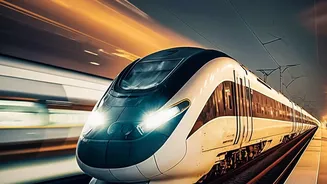
Looking further ahead, the most dramatic time-saving development is the proposed Delhi-Varanasi High-Speed Rail Corridor. This 'bullet train' project, announced as one of seven new high-speed corridors, promises to slash the journey time to an astonishing 3 hours and 50 minutes. While this project is still in the planning and detailed project report (DPR) stage, it represents the ultimate answer to the question of accessibility. A sub-four-hour journey would effectively turn a long-haul trip into a short commute, comparable to flying when airport check-in times are considered. This future connection would have a profound impact, not just on tourism and pilgrimage, but on business and regional development, linking the national capital with eastern Uttar Pradesh more closely than ever before.
What It All Means For Travellers
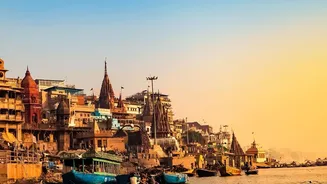
So, could a shorter journey make Varanasi more accessible? The answer is a definitive yes. The changes are not just incremental; they are transformative. An eight-hour train ride is the difference between a journey that requires an overnight commitment and one that can be done between breakfast and tea. For Delhi residents, this turns Varanasi from a destination requiring a long holiday into a potential weekend getaway. Pilgrims can plan shorter, more frequent visits, families can travel with greater ease, and international tourists can fit Varanasi into tighter itineraries. The combined impact of the Vande Bharat trains today, the expressways of tomorrow, and the bullet train of the future is set to shrink the distance between these two iconic cities, making the spiritual heart of India more accessible than ever.