




Choosing Your Grassland Kingdom
Assam's wildlife sanctuaries are jewels of the Brahmaputra valley, each offering a unique safari experience. For most visitors, the choice comes down to three key parks. Kaziranga National Park is the most famous, a UNESCO World Heritage Site renowned
for its successful conservation of the greater one-horned rhinoceros. It's a vast park, divided into different ranges like the popular Central (Kohora) and Western (Bagori) zones, offering a classic, comprehensive safari. Manas National Park, another UNESCO site bordering Bhutan, offers a wilder, more rugged feel with forests, grasslands, and the beautiful Manas River. It is home to rhinos, tigers, elephants, and rare species like the golden langur and pygmy hog. For those short on time or based in Guwahati, Pobitora Wildlife Sanctuary is the perfect answer. Though smaller, it boasts the highest density of one-horned rhinos in the world, making sightings almost guaranteed.
The Main Attraction: The One-Horned Rhino
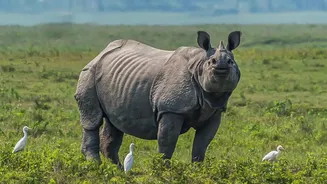
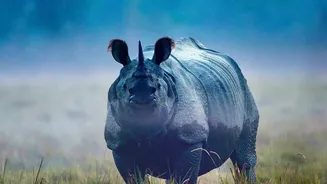
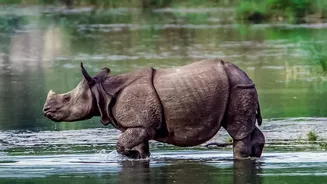
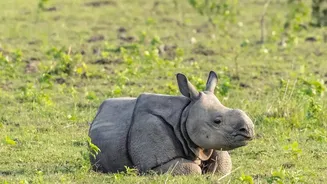
The greater one-horned rhinoceros is the undisputed star of Assam's grasslands. Thanks to incredible conservation success, their population is thriving, and seeing one is a highlight of any trip. Kaziranga is home to the world's largest population, where you can see them grazing in the tall 'elephant grass' or wallowing in wetland areas called 'beels'. The park's Central and Western ranges are particularly good for rhino sightings. However, if a rhino sighting is your top priority and time is limited, Pobitora Wildlife Sanctuary is your best bet. Its small area and high concentration of rhinos mean you are very likely to see several individuals, often at close range, during a single safari. Manas National Park also has a rhino population, part of a successful reintroduction program, adding to the thrill of spotting one in its wilder habitat.
Beyond the Rhino: A World of Wildlife
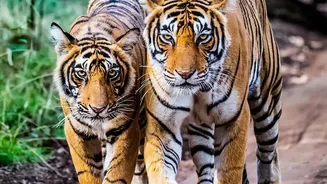
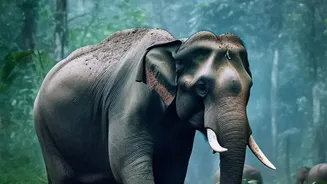
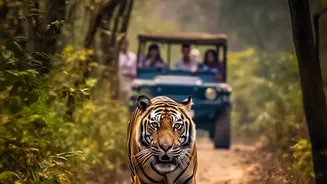
While rhinos steal the spotlight, Assam’s parks are teeming with other incredible fauna. All three parks—Kaziranga, Manas, and Pobitora—are home to Asiatic wild water buffalo, wild boar, and various species of deer. Elephants are a common and majestic sight, particularly in Kaziranga and Manas. Assam is also a significant tiger habitat, with Kaziranga having one of the highest tiger densities in the world, though spotting the elusive predator requires patience and luck. Manas is also a designated Tiger Reserve. The birdlife is spectacular across the region, especially from November to March when migratory birds arrive. Look out for hornbills, pelicans, eagles, and the critically endangered Bengal Florican. Manas offers the unique chance to see the golden langur, a primate found only in this region.
When to Go: Timing Your Safari
The safari season in Assam generally runs from November to April. The parks remain closed during the monsoon season (roughly May to October) due to heavy rains and flooding of the Brahmaputra River. The best time to visit is during the winter months, from November to February. The weather is cool and pleasant, making for comfortable safari rides, and the vegetation is less dense after the monsoons, improving visibility. This period is also ideal for birdwatching. The shoulder season of March and April can also be very rewarding. As temperatures rise and water sources begin to dry up, animals often congregate around the remaining water bodies, which can lead to fantastic sightings. However, be prepared for hotter afternoons during these months.
Booking and Practical Tips
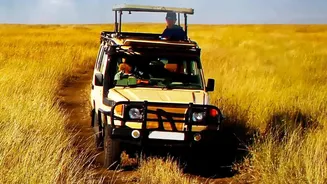
Jeep safaris are the primary way to explore the parks and typically last two to three hours, with morning and afternoon slots available. It is highly recommended to book your safari in advance, especially during the peak season from December to February, as the number of vehicles allowed in the park is limited. You can often book safaris through your hotel or lodge, or directly with the local jeep safari associations at the park gates. When on safari, wear comfortable, neutral-coloured clothing to blend in with the natural surroundings. Carry essentials like binoculars for better viewing, a camera with a good zoom lens, sunscreen, a hat, and a bottle of water. Most importantly, listen to your guide, maintain silence, and respect the wildlife by keeping a safe distance.