



The Science and Soul of a Humble Spice
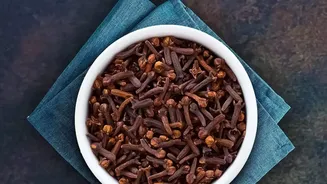
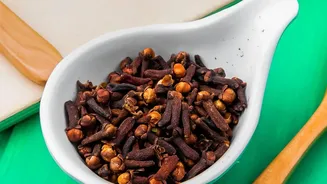
At the heart of the clove's intense character is a compound called eugenol, which provides its signature warming quality and lingering, almost peppery, aroma. This makes cloves incredibly potent, meaning a little goes a very long way. In Indian cuisine,
cloves, or 'laung', are a cornerstone of many spice blends, including garam masala, and are fundamental to building deep, layered flavours in both savoury and sweet dishes. The key to using cloves successfully is understanding their strength and learning how to mellow their intensity. Whether used whole to infuse liquids or ground to blend seamlessly into a dish, cloves offer a complexity that can elevate humble ingredients from ordinary to extraordinary. Remember to use them sparingly to avoid an overpowering, medicinal taste.
A Perfect Match: Cloves with Lentils
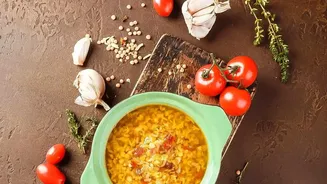
Pairing cloves with lentils is a classic combination in Indian cooking, particularly in dals and hearty lentil soups. The earthy, wholesome flavour of lentils provides the perfect canvas for the warm, aromatic notes of clove. The spice cuts through the richness of the lentils, adding a sophisticated depth and a fragrant finish. A common technique is to add one or two whole cloves to the oil or ghee during the 'tadka' (tempering) stage of cooking a dal. As the cloves sizzle in the hot fat, they release their essential oils, perfuming the entire dish. For a subtler infusion, you can add a few whole cloves to the pot while the lentils are simmering and remove them before serving. This method imparts a gentle warmth without the risk of accidentally biting into a whole clove.
Aromatic Grains: Cloves with Rice
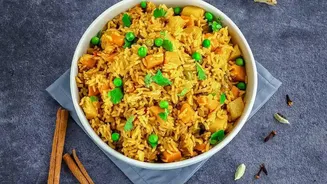
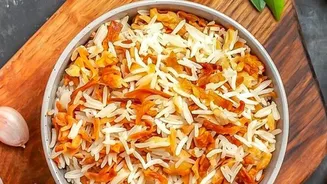
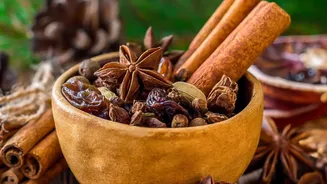
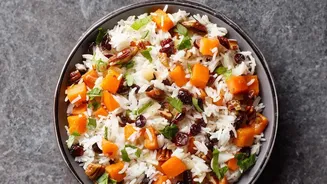
Infusing rice with whole spices is a hallmark of celebratory and everyday Indian cooking, and cloves are a star player. Adding just two or three whole cloves to your pot of basmati rice transforms it from a simple side into an aromatic foundation for any meal. This technique is central to dishes like biryani and pulao, where the rice is meant to be as flavourful as the main ingredients. The simplest method is to add the cloves directly to the water along with the rice and a pinch of salt. For a more pronounced flavour, briefly sauté the whole cloves—along with other whole spices like cinnamon sticks and cardamom pods—in a bit of oil or ghee before adding the rice and water. The cloves will gently perfume the grains as they cook, resulting in a subtly fragrant and incredibly appealing dish. As with lentils, it's wise to remove the whole cloves before serving.
A Sweet and Spicy Harmony: Cloves with Sweet Potatoes
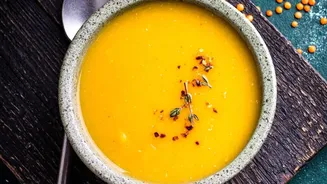
The pairing of cloves and sweet potatoes is a natural marriage of sweet and spicy. The inherent sweetness of the sweet potato is beautifully balanced by the pungent, warm spice of the clove. This combination is found in cuisines around the world, from savoury masalas to sweet pies. In an Indian context, ground cloves can be added to a spice mix for roasted or pan-fried sweet potatoes, often alongside cumin, coriander, and turmeric. The warmth of the clove prevents the dish from becoming overly sweet and adds a layer of complexity. For a simple side dish, toss cubed sweet potatoes with oil, salt, and a pinch of ground cloves before roasting until tender and caramelized. You can also add a whole clove or two to a sweet potato soup or mash, allowing it to infuse the dish with its aroma before being removed.