


The Promise of a Natural Remedy
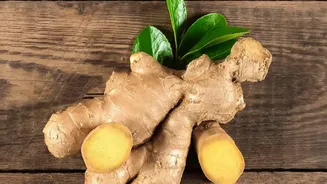
The enthusiasm for using ginger water in the garden isn't without reason. Ginger (Zingiber officinale) is packed with bioactive compounds, primarily gingerol and shogaol, which have been studied for their potent antimicrobial properties. In the context
of gardening, this translates into a potential natural fungicide that can help combat harmful bacteria and fungal growth around the roots of plants, possibly preventing issues like root rot. Furthermore, ginger contains essential minerals like potassium and magnesium, which are vital for plant health. These nutrients help strengthen plant cell walls, can improve nutrient absorption, and contribute to overall vigour, making the plant more resilient to environmental stress. Some proponents also claim the pungent compounds in ginger can deter common pests.
The Hidden Risks of This Kitchen Hack
Despite its potential benefits, homemade ginger water is not a foolproof solution and can cause significant harm if used incorrectly. The same potent compounds that fight microbes can also be harsh on delicate plant tissues. A solution that is too concentrated can effectively 'burn' the fine root hairs of a plant, damaging its ability to absorb water and nutrients. Overwatering with any solution, including ginger water, can also lead to soggy soil, which ironically promotes the very root rot you might be trying to prevent. Ginger is known to dislike overly wet conditions itself. There is also the risk of altering the delicate balance of your soil's ecosystem. While it may deter some pests, its strong aroma could potentially attract others. Furthermore, its impact on beneficial soil microbes, which are essential for healthy soil, is not well understood.
Not All Plants Respond the Same
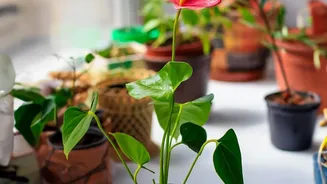
It's a common mistake to treat all plants in a garden with a one-size-fits-all approach. Young seedlings, plants with very sensitive root systems, and certain delicate ornamentals are particularly vulnerable to the harshness of a concentrated ginger solution. Applying a strong concoction to these plants can cause irreversible shock and damage. Hardy, established shrubs or vegetables might tolerate it better, but even they are not immune to the risks of an improperly prepared mixture. Before applying any homemade remedy to your entire garden, it's always wise to consider the specific needs and sensitivities of each plant variety. What works for a robust tomato plant might be a death sentence for a delicate fern.
How to Prepare Ginger Water Safely
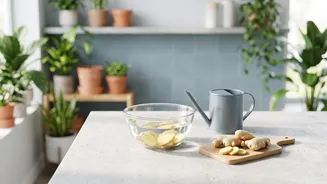
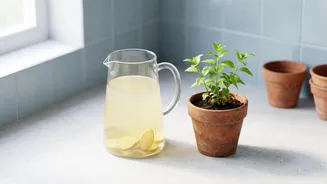
If you decide to try ginger water, the key is dilution. Most online guides and gardening enthusiasts recommend creating a 'ginger tea' rather than using pure extract. A safe method is to start with a small piece of fresh ginger root. Grate about one tablespoon of fresh ginger and add it to a litre of boiling water. Allow it to simmer for about 10-15 minutes, then turn off the heat and let it cool completely. Once cool, strain the liquid thoroughly to remove all solid ginger pieces. These solids can be added to your compost pile in moderation. The resulting liquid is your concentrated ginger tea. However, this is still too strong for direct use. You should dilute it further, mixing about one part of your ginger tea with at least four or five parts of plain water before application.
Best Practices for Application
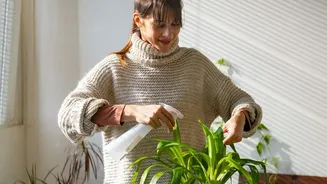
Once you have your highly diluted solution, caution is still the best practice. Never apply it to dry soil, as this can cause the roots to absorb the solution too quickly. Water your plants with plain water first. The safest way to introduce ginger water is to perform a 'patch test'. Apply a small amount to a single leaf or a small area of soil on one plant. Wait for 48 hours to see if there is any negative reaction, such as yellowing or wilting leaves. If there is no damage, you can proceed with a wider application. Many gardeners prefer using it as a foliar spray (misting the leaves) rather than a soil drench to minimize direct contact with the sensitive root system. Use the solution sparingly—once every two to four weeks is more than enough. It should be seen as a supplemental treatment, not a replacement for regular watering or balanced fertilizer.