







An Alarming, Widespread Decline
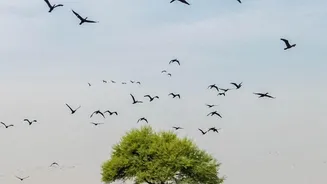
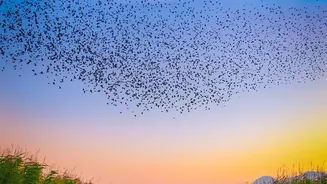
The silent skies are a worrying sign for conservationists. Recent studies, including the comprehensive State of India's Birds 2023 report, paint a concerning picture. More than half of all migratory bird species are in decline globally. In India, the trend
is particularly severe for long-distance migrants—those that journey thousands of kilometres from Arctic and Eurasian breeding grounds. Some of these populations have plummeted by over 50%, with Arctic-breeding shorebirds facing a staggering decline of nearly 80%. This isn't just about a few rare species; even once-common birds are vanishing from their traditional wintering grounds across the subcontinent.
A Symphony of Threats
The reasons for this decline are complex and interconnected, stemming largely from human activity. The most significant threat is habitat loss and degradation. Wetlands, which serve as crucial refuelling stations, are shrinking due to urban expansion, pollution, and agricultural encroachment. From Santragachi Jheel in Kolkata to the wetlands of Bihar, these vital ecosystems are being choked by waste and invasive species, leaving arriving birds with little to eat. Climate change adds another layer of pressure, disrupting the delicate timing of migration and the availability of food sources. Other dangers include collisions with power lines and wind turbines, the pervasive use of pesticides, and illegal hunting.
India's Critical Role on the Flyway
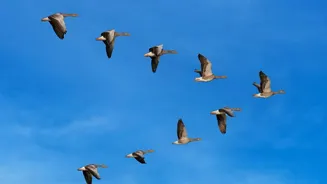
India occupies a vital position at the heart of the Central Asian Flyway, a major migratory route connecting over 30 countries. This makes the health of its ecosystems critical for the survival of countless species. Millions of birds, from Bar-headed Geese to Northern Pintails, depend on sites like Chilika Lake in Odisha and Keoladeo National Park in Rajasthan to rest and feed during their arduous journeys. The degradation of these sites has a ripple effect across continents. The near-disappearance of the Siberian Crane from its Indian wintering grounds at Bharatpur is a stark reminder of what is at stake. When a stopover point is lost, it breaks a crucial link in the chain of survival for these global travellers.
More Than Just Birds
The decline of migratory birds is more than just an ecological loss; it's a warning about the health of our environment. These birds are vital ecosystem indicators. Their presence signals healthy wetlands, clean water, and balanced biodiversity. They also play an active role as pest controllers, pollinators, and seed dispersers, contributing to the health of forests and farmlands. Their droppings enrich soil with essential nutrients. When these birds disappear, it signals a deeper environmental imbalance that affects flood control, water quality, and even livelihoods that depend on healthy wetlands. Their fading spectacle is a barometer for the planet's health.
Stories of Hope and Conservation
Despite the grim trends, there are glimmers of hope. Conservation efforts across India are showing that it's possible to turn the tide. The story of the Amur falcon in Nagaland is a powerful example. Once hunted in the tens of thousands, these raptors are now protected by the same local communities that once threatened them. Villages like Pangti have transformed from hunting grounds to celebrated conservation hubs, creating sustainable ecotourism opportunities. This success story, driven by community involvement and government action, demonstrates a path forward. India's National Action Plan for the Conservation of Migratory Birds aims to replicate this success by protecting habitats and involving local communities across the country.