







Two of India’s corporate giants, Tata Motors and Amazon, are joining forces in a landmark deal that promises to reshape the future of e-commerce logistics. This collaboration goes beyond delivering packages; it's about electrifying the very arteries of commerce.
The Landmark Agreement
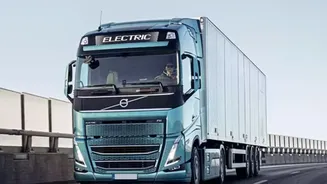
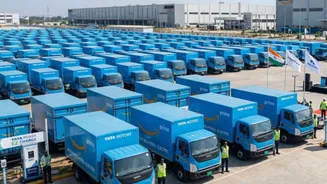
Tata Motors and Amazon have announced a significant collaboration to deploy 3,000 electric trucks across Amazon's vast transportation network in India. The partnership, which marks the largest electric-truck deployment by an e-commerce company in the country, extends fleet electrification beyond the familiar last-mile delivery scooters and into the critical middle-mile and long-haul freight sectors. Under the arrangement, Tata Motors will supply the vehicles, while Amazon's existing network of logistics partners will own and operate them. The first batch of these trucks, specifically the Tata Ultra E.7 model, was officially flagged off in Delhi on October 27, 2026, to coincide with the busy festive season.
Beyond the Last Mile
Until now, the conversation around EVs in Indian e-commerce has largely focused on two- and three-wheelers for last-mile delivery. This partnership signals a strategic shift. The focus is on the 'middle mile': the transport of goods between fulfilment centres and sorting hubs across cities. This segment is often considered harder to decarbonise due to heavier payloads and longer operating hours. The initial rollout in Delhi will see the Tata trucks handling intra-city freight movement. However, the ambition is much grander. The next phase targets the electrification of major national highways, starting with the crucial 2,800-kilometre Delhi-Bengaluru-Chennai corridor along NH48, which connects six of India's largest e-commerce regions across seven states.
Amazon's Path to Net-Zero
For Amazon, this initiative is a cornerstone of its global commitment to achieve net-zero carbon emissions by 2040. The company has made significant strides in India, having already surpassed its goal of deploying 10,000 EVs by 2025 a year ahead of schedule. As of late 2026, its fleet includes over 15,000 EVs operating in more than 500 cities. This move into heavy-duty trucking is the logical next step. To support this massive undertaking, Amazon is also investing heavily in infrastructure, partnering with providers like Yahhvi to develop a network of charging hubs and yards essential for keeping the electric fleet on the move.
Tata's Electric Dominance Grows
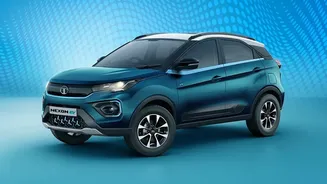
This deal solidifies Tata Motors' position as a leader in India's EV transition. Already a dominant force in the passenger EV market, the company is aggressively expanding its commercial vehicle portfolio, which includes not just light trucks but also electric buses and heavy-duty models for various applications. The Tata Ultra E.7, the star of the Amazon deal, features an integrated e-axle, CCS2 fast charging, and regenerative braking, making it a practical choice for demanding logistics operations. By providing not just the vehicles but also service, charging support, and operational assistance, Tata is building a comprehensive ecosystem to lower the barriers to EV adoption for fleet operators.
A Boost for India's EV Ambitions
The collaboration aligns perfectly with the Indian government's push for sustainable mobility, supported by schemes like PM E-DRIVE and Production Linked Incentives (PLI). It serves as a powerful proof-of-concept, demonstrating that large-scale electric freight is commercially viable. The timing is also strategic, leveraging Delhi's 2026 EV Policy, which offers incentives like unrestricted entry into the city for the first 1,000 registered medium-duty e-trucks. This move by two industry leaders is expected to create a ripple effect, encouraging wider adoption of electric trucks across the logistics sector and accelerating India's journey towards a greener supply chain.