


The Rise of a New Comfort Classic
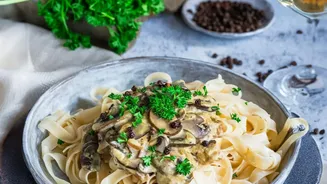
At first glance, it might sound unusual, but almond butter pasta is a revelation for anyone seeking creamy, dairy-free comfort. The dish typically involves creating a savory sauce by whisking smooth almond butter with ingredients like soy sauce or tamari,
rice vinegar, garlic, ginger, and a little liquid—often the starchy pasta water itself. The result is a sauce that's rich, nutty, and packed with umami flavor, clinging perfectly to noodles. It’s a smarter, plant-powered answer to traditional cream or cheese-based sauces, delivering that indulgent texture without any animal products. This trend taps directly into the growing demand for plant-based comfort foods that don't feel like a compromise on flavor or satisfaction. It's part of a larger movement that reimagines nostalgic favorites with healthier, more sustainable ingredients.
A Nutritional Powerhouse in a Pasta Bowl
Beyond its comforting creaminess, almond butter pasta packs a serious nutritional punch. Almond butter is a fantastic source of plant-based protein, with about seven grams in just two tablespoons. It's also rich in heart-healthy monounsaturated fats, which can help lower 'bad' LDL cholesterol. Furthermore, almond butter is an excellent source of vitamin E, a powerful antioxidant that protects the body's cells, along with essential minerals like magnesium and calcium, which are crucial for bone health. For those on a plant-based diet, getting enough of these nutrients is key, and this dish delivers them in a delicious and satisfying way. It’s a meal that feels indulgent but is actually fueling your body with quality nutrients.
The Science of Creaminess
The magic of this dish lies in its texture. How does almond butter create a sauce that rivals one made with heavy cream? It comes down to emulsification. Almond butter is naturally high in fats and contains natural emulsifiers. When whisked with a liquid like vegetable broth or starchy pasta water, the fats break down into tiny droplets that disperse evenly, creating a stable, velvety-smooth sauce. The starch from the pasta water is particularly effective, as it helps to bind the sauce and gives it a glossy, restaurant-quality finish. This process allows the almond butter to transform from a thick paste into a luxurious coating for any type of pasta, from spaghetti and soba noodles to gluten-free varieties made from rice or legumes.
A Versatile Canvas for Flavor
While the base is simple, almond butter pasta is endlessly customizable. Think of the almond butter sauce as a blank canvas. Most recipes build on a foundation of savory, tangy, and sometimes spicy elements. Soy sauce or tamari provides saltiness and umami, rice vinegar adds a bright tang, and minced garlic and ginger offer aromatic depth. From there, you can take it in any direction. A dash of maple syrup can balance the flavors, while red pepper flakes or sriracha can add a welcome kick of heat. You can also incorporate other ingredients like sun-dried tomatoes for a Mediterranean feel or gochugaru and sesame oil for an Asian-inspired profile. Tossing in roasted vegetables like broccoli or butternut squash, or proteins like edamame or chickpeas, makes it a complete, well-rounded meal.