





The Science of the Season
The November to April window isn't just a casual suggestion; it's based on the river's rhythm and the dolphins' behavior. During the monsoon months, the Ganges swells, and the dolphins disperse into smaller, flooded tributaries in search of food. As the rains
recede and winter sets in, the river's water level drops and stabilizes. This causes the dolphins to congregate back into the deeper channels of the main river, making them more concentrated and significantly easier to spot. The water is also clearer and calmer during this post-monsoon, dry season, and the pleasant weather makes the boat safari a far more comfortable and enjoyable experience for visitors. This period provides the perfect confluence of conditions for a successful and memorable sighting.
The Star of the Show: The Susu
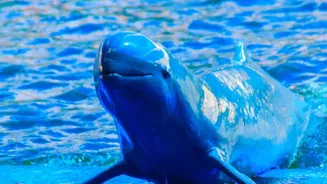
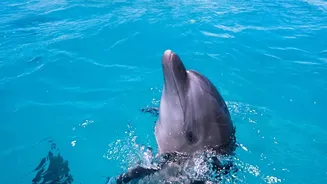
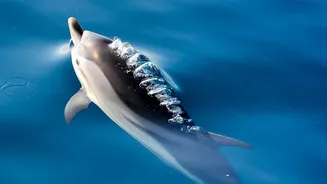
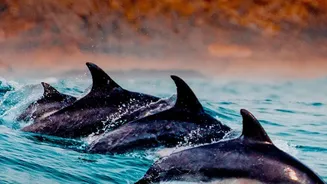
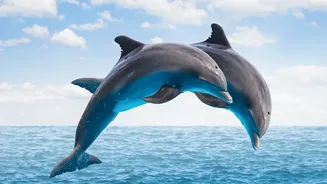
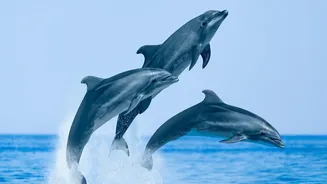
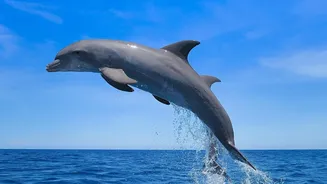
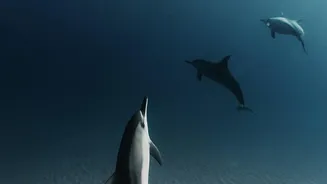
The creature at the heart of this journey is the Gangetic river dolphin, India's National Aquatic Animal. Known locally as 'Susu' for the sound it supposedly makes when breathing, this is one of the world's few exclusively freshwater dolphin species. What makes them truly fascinating is that they are functionally blind. Living in the murky waters of the Ganges, their eyes lack a lens and can only detect light. Instead, they navigate and hunt using a sophisticated form of echolocation, emitting high-frequency clicks and interpreting the echoes. Seeing this ancient, endangered species in its natural habitat is a rare privilege. Their population is threatened by pollution, dam construction, and accidental entanglement in fishing nets, making sanctuaries like Vikramshila critically important for their survival.
Your Safari Experience
Don't expect large, commercial safari vessels. A dolphin-watching trip at Vikramshila is a more rustic and personal affair. The primary activity involves hiring a small, local wooden boat, often operated by fishermen who know the river intimately. These boatmen can navigate to the specific deep-water channels and eddy counter-currents where dolphins are known to congregate. The best time for a safari is in the early morning, between 6 AM and 9 AM, when the river is at its calmest and boat traffic is minimal. The experience is one of quiet patience—drifting on the water, scanning the surface for the tell-tale arch of a dolphin's back. While sightings are very likely during the peak season, it’s important to remember these are wild animals, and a respectful, quiet approach yields the best results.
Planning Your Trip
The Vikramshila Gangetic Dolphin Sanctuary is located in the Bhagalpur district of Bihar, stretching for about 60 kilometres between Sultanganj and Kahalgaon. The most convenient way to reach the area is by train to Bhagalpur Junction, which serves as the nearest major railhead. From Bhagalpur, you can hire a car to reach the river ghats, like Barari Ghat, where you can negotiate with local boatmen for a safari. There are no formal booking counters; arrangements are made directly on-site. For a winter trip, it’s advisable to wear layers, as mornings on the river can be chilly. Don't forget to bring binoculars for a closer look at both the dolphins and the sanctuary's rich birdlife, which includes over 135 species.
Beyond the River
A visit to Bhagalpur offers more than just dolphins. The region is steeped in history, most notably the ruins of the Vikramshila Mahavihara, an ancient Buddhist university that gives the sanctuary its name. Located near the village of Antichak, these extensive archaeological remains offer a fascinating glimpse into a major centre of learning that rivaled Nalanda. Exploring the excavated stupas and monastery cells provides a profound historical context to your wildlife journey. Additionally, you can visit other local sites like the Ajgaivinath Temple in Sultanganj or explore Bhagalpur's reputation as a 'Silk City' by visiting local Tussar silk weavers.