



More Than Just Green Decor
The most significant and scientifically-backed benefit of having plants indoors is psychological. Interacting with houseplants can reduce both physiological and psychological stress. Studies have shown that the simple act of caring for a plant or even
just being in a room with greenery can lower stress hormone levels, reduce heart rate, and improve your mood. This connection to nature, often called biophilia, is a powerful tool for creating a calming sanctuary. In our increasingly digital lives, the tangible, grounding routine of watering a plant can provide a much-needed mental break, fostering a sense of comfort and stability. The presence of foliage is associated with lower self-reported stress and a greater sense of calm, making your home feel like a true escape.
The Air Quality Question
A popular claim is that houseplants are powerful air purifiers. This idea largely stems from a 1989 NASA study which found that certain plants could remove volatile organic compounds (VOCs) from a small, sealed chamber. However, it is important to contextualise this. In a typical home with regular air circulation from windows and doors, the effect is significantly diluted. Subsequent research has concluded that you would need an enormous number of plants—some estimate between 10 and 1,000 per square metre—to match the air-cleaning capacity of a building's natural ventilation or a standard air purifier. While plants do absorb carbon dioxide and release oxygen during photosynthesis, their primary contribution to a 'healthier' feeling environment is less about scrubbing pollutants and more about their psychological impact and ability to gently increase humidity.
Five Great Starter Plants for Indian Homes
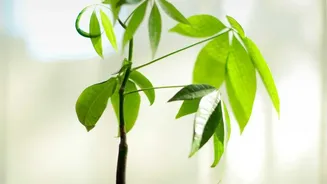
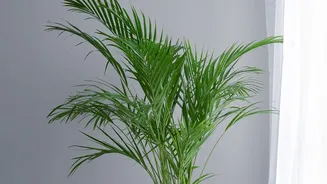
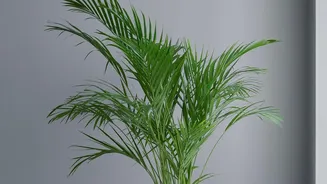
Starting your indoor garden is easy with hardy plants that thrive in Indian climates. The Snake Plant is almost indestructible, tolerating low light and infrequent watering while releasing oxygen at night. The Money Plant, or Pothos, is a familiar sight in many homes, beloved for its trailing vines and ability to grow in almost any condition. Another great option for beginners is the ZZ Plant, which is extremely drought-tolerant and perfect for those who travel or are prone to forgetting to water. For a touch of the tropics, the Areca Palm is a beautiful addition that is relatively easy to maintain. Finally, the Spider Plant is known for being adaptable and easy to propagate, even growing well under artificial light.
Styling Your Indoor Oasis
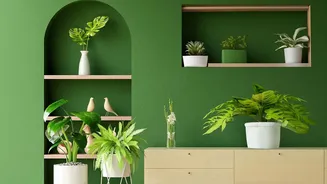
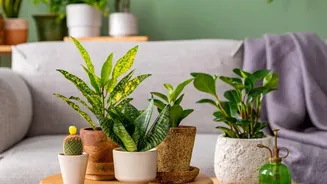
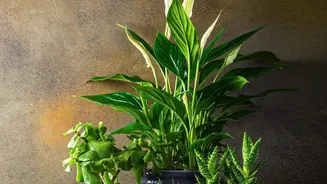
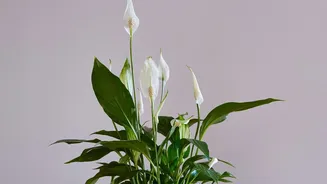
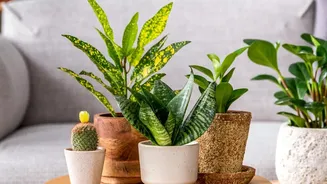
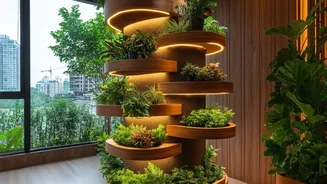
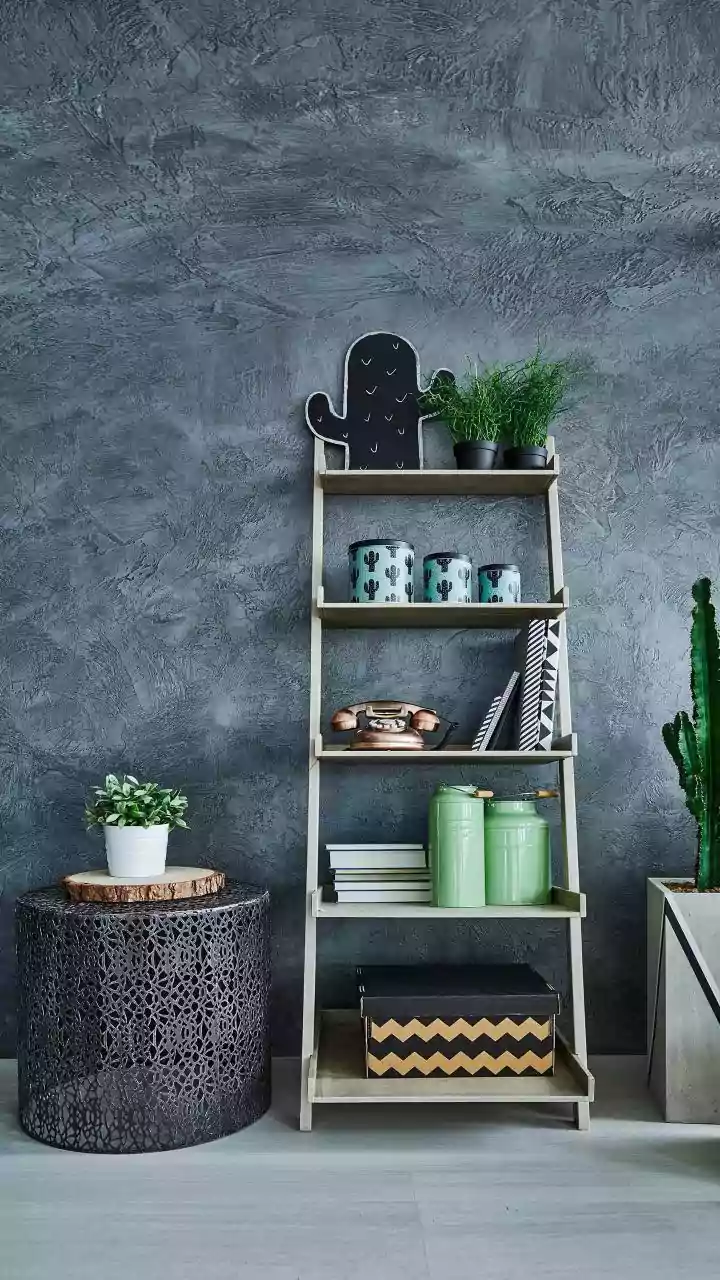
Integrating plants into your decor is where the fun begins. The most crucial rule is to match the plant to the light conditions of the room. Use the 'Rule of Threes' by grouping plants of different heights, textures, and shapes to create a visually appealing cluster. A tall plant in a corner can add vertical interest, while a trailing plant on a bookshelf can soften hard lines. Don't be afraid to play with pots and planters; choose containers that complement your existing decor, whether they are minimalist ceramic, rustic terracotta, or colourful patterned pots. Placing calming plants like Peace Lilies or Snake Plants in the bedroom can promote a restful atmosphere, while a small herb garden on a kitchen windowsill is both beautiful and practical.