



Why More Protein on Your Pizza?
Traditionally, pizza is a carbohydrate-heavy affair dominated by its flour-based crust. While delicious, this can lead to a quick spike in blood sugar and leave you feeling hungry again sooner. By increasing the protein content, you change the meal's
nutritional profile entirely. Protein is known for its ability to increase satiety, meaning you'll feel fuller and more satisfied for longer. This can help manage overall calorie intake. Furthermore, protein is essential for repairing and building muscle, making a high-protein pizza an excellent post-workout meal or a way to ensure you're meeting your daily nutritional goals. It transforms the pizza from a simple treat into a functional meal that works harder for your body.
The Foundation: A Protein-Packed Crust
The most impactful change you can make is to the pizza base itself. Forget the standard flour-and-water recipe; modern, protein-rich doughs are simple to make and surprisingly tasty. One popular method involves using Greek yogurt or cottage cheese. A simple dough can be made by mixing self-rising flour with an equal amount of plain Greek yogurt or blended cottage cheese. These dairy products not only add a significant amount of protein but also create a soft, chewy crust without the need for yeast or long rising times. For another approach, unflavored whey or pea protein powder can be incorporated into your dough recipe, often along with almond flour, to boost its protein content without dramatically altering the taste. Some recipes even blend cottage cheese with eggs and a small amount of flour to create a batter-like base that's poured and baked before toppings are added.
Next-Level Toppings for Maximum Protein
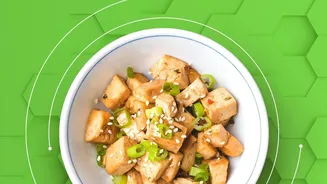
The crust isn't the only place to add protein. Your choice of toppings can make a huge difference. While pepperoni is a classic, you can make smarter choices. Lean meats like grilled chicken breast, turkey sausage, or even high-quality sliced ham are excellent sources of protein. Shrimp is another fantastic, high-protein option that pairs well with various sauces. For plant-based power, consider adding roasted chickpeas, lentils, or even dollops of a tofu-based ricotta alternative. Even your cheese choice matters. While all cheese has protein, part-skim mozzarella is a great option. You can also blend cottage cheese into your tomato sauce for a creamy texture and an invisible protein boost. Sprinkling nutritional yeast over the top before baking can add a cheesy, nutty flavour and an extra protein kick.
Putting It All Together: A Sample Build
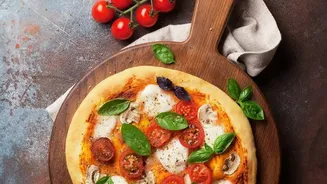
Ready to try it? Here’s a simple way to construct your protein-forward pizza. Start with a dough made from one cup of self-rising flour and one cup of plain Greek yogurt, kneaded until smooth. Roll it out and par-bake it for about 10 minutes at a high temperature (around 400-425°F or 200-220°C) to ensure a crispy base. For the toppings, spread a thin layer of your favourite pizza sauce, then add a generous serving of shredded grilled chicken. Instead of just mozzarella, use a mix of part-skim mozzarella and crumbled feta for more flavour and protein. Scatter on some sliced bell peppers and red onion for fibre and nutrients. Before the final bake, consider a sprinkle of roasted chickpeas for a surprising, delightful crunch. Bake until the cheese is bubbly and the crust is golden brown.
Balancing Flavour and Function
The goal of a protein-rich pizza is not to create a sad, diet version of a beloved food. The key is to enhance it. When using yogurt or cottage cheese in the crust, be sure it's thick to avoid a sticky dough; you can always add a bit more flour if needed. Don't be afraid to season your dough with garlic powder, salt, or Italian herbs to build flavour from the ground up. When using leaner meats like chicken breast, ensure they are pre-cooked and still juicy to avoid them drying out in the oven. Ultimately, the best high-protein pizza is one that you'll genuinely enjoy eating, proving that you don’t have to sacrifice flavour for better nutrition.