


What Exactly is Sevai?
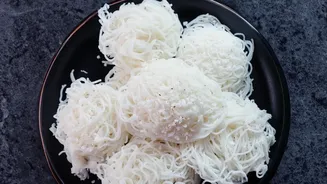
Sevai, also known as santhakai or shavige, is a type of rice vermicelli popular across Southern India. Unlike the more common wheat-based semiya, sevai is traditionally made from rice, giving it a light, delicate, and fluffy texture. These fine strands
of steamed noodles are naturally gluten-free, low in fat, and easy to digest, making them a wholesome start to the day. While often compared to its cousin, idiyappam (string hoppers), there's a subtle difference. Traditionally, sevai is made from parboiled rice that is ground, cooked into a dough, steamed, and then pressed into noodles. Idiyappam, on the other hand, is typically made more directly from raw rice flour.
A Labour of Love: The Traditional Way
For generations, making sevai at home was a cherished, albeit laborious, ritual. The process involved soaking rice for hours, grinding it into a smooth paste, cooking it into a dough, forming dumplings, and then steaming them to perfection. The final step required a special press, often a large brass or wooden contraption called a 'sevai nazhi', to extrude the hot, steamed dumplings into delicate noodles. This task often became a family affair, requiring significant strength and effort. Because of this intensive process, fresh sevai was often reserved for special occasions, festivals, or leisurely Sunday mornings, a true testament to the love poured into the meal.
From Home Kitchens to City Streets
The very thing that made sevai a special-occasion meal—its time-consuming preparation—is what makes its modern resurgence so interesting. The game-changer has been the widespread availability of high-quality instant and dried sevai packets. These convenient options eliminate the arduous process of soaking, grinding, and pressing, making sevai accessible for a quick weekday breakfast. This convenience has paved the way for its emergence as a street-food star. Vendors can now prepare delicious sevai dishes in minutes, catering to the morning rush of office-goers and students looking for a quick, comforting, and healthier alternative to fried snacks. It’s a classic dish perfectly adapted for a modern, fast-paced lifestyle.
A Canvas for Flavour: The New Avatars of Sevai
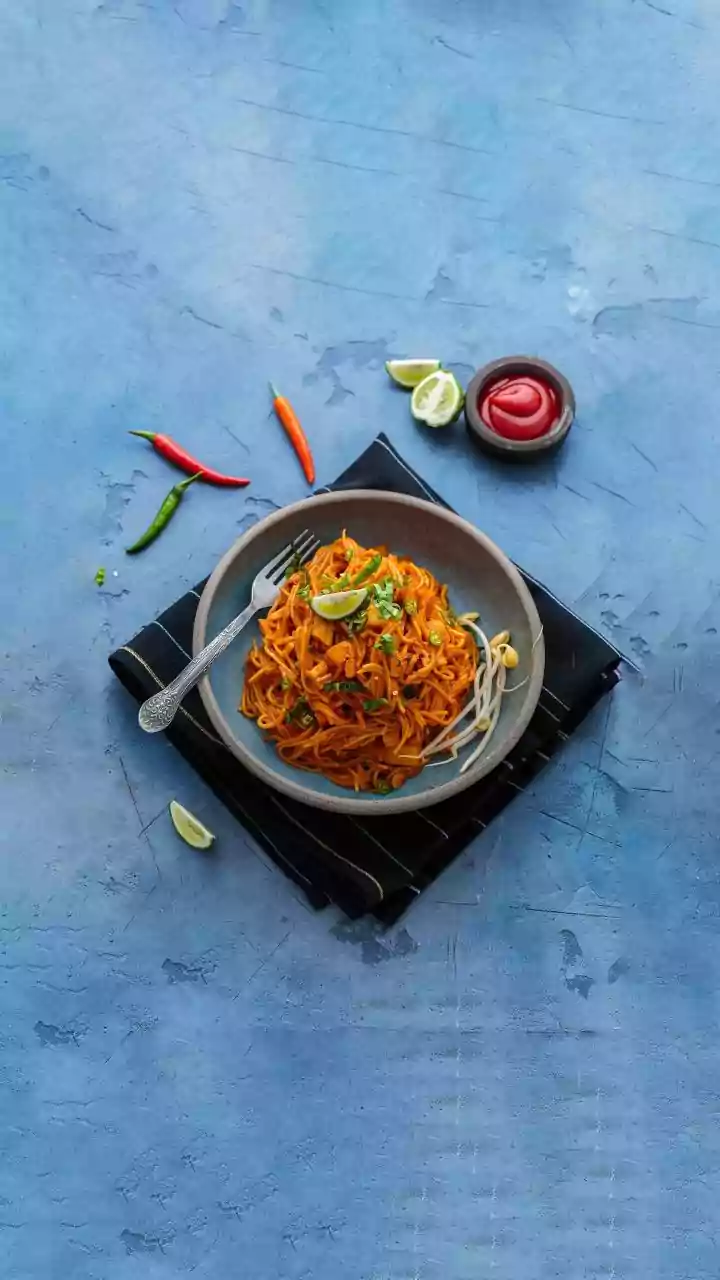
The true beauty of sevai lies in its incredible versatility. The plain, steamed noodles act as a neutral base, ready to absorb any flavour you throw at them. This adaptability is at the heart of its street-style success. Classic preparations remain hugely popular: Lemon Sevai, tangy with lime juice and a tempering of mustard seeds and lentils; and Coconut Sevai, subtly sweet and savoury with fresh grated coconut. But the new street-style approach has broadened the menu. You can now find vendors offering Tomato Sevai, a spicy and flavourful version cooked with a tomato-onion masala, and Tamarind Sevai (puli sevai), which offers a punch of tanginess. Some creative cooks are even experimenting with fusion styles like butter sevai, vegetable pulao sevai, and other masala-tossed variations, turning the simple noodle dish into a complete, satisfying meal.
Why the Comeback is Here to Stay
Several factors are driving sevai's modern revival. Firstly, there's a growing wave of nostalgia and a renewed appreciation for traditional, regional foods. Secondly, as consumers become more health-conscious, sevai fits the bill perfectly—it's steamed, light, and can be made with nutritious grains like ragi (finger millet) or other millets. Unlike many fried breakfast options, it provides sustained energy without the heaviness. Its versatility allows it to be a simple, comforting meal or a more elaborate, spicy dish, appealing to a wide range of palates. It’s a dish that connects the past with the present, offering the comfort of a home-cooked meal with the convenience required by today's world.