


An Unfolding Crisis in the Sky
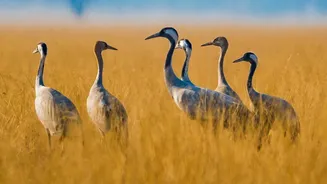
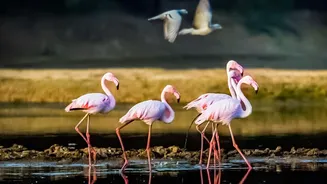
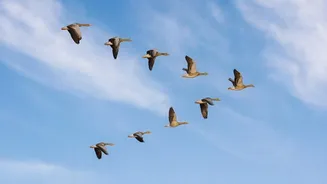
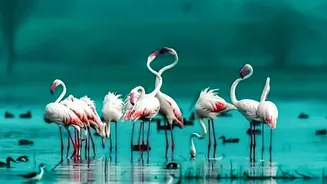
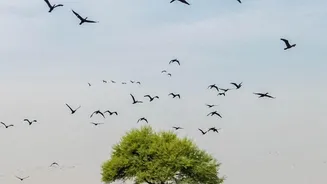
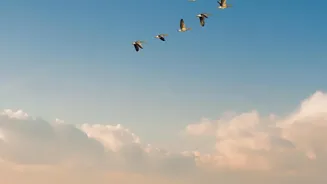
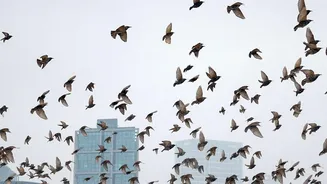
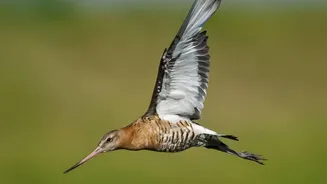
India sits at the heart of the Central Asian Flyway (CAF), a critical superhighway for over 600 species of migratory birds travelling from their breeding grounds in Siberia and Central Asia to warmer wintering havens in South Asia. For centuries, wetlands,
grasslands, and coastal areas across the country have served as vital pit stops and final destinations. Yet, a deeply concerning trend is emerging: these seasonal visitors are in steep decline. A recent global review highlighted that over half of the world's migratory species are experiencing population drops. In India, the decline is particularly pronounced for long-distance travellers. At Harike Wildlife Sanctuary in Punjab, one of North India's largest wetlands, bird counts plummeted from over 120,000 in 2018 to just over 55,000 in recent years. This isn't just an ecological data point; it's a warning sign from some of our most sensitive environmental indicators.
A Warmer World, A Treacherous Path
Climate change is a primary disruptor of these ancient journeys. Rising temperatures and erratic weather patterns create a cascade of challenges. Delayed winters and shorter cold spells, as seen in states like Punjab, are shrinking the migratory season from a span of five or six months to as little as two. A 25-year analysis of wetlands in Rajasthan showed that rising temperatures have led to increased evaporation and an average water level fall of 38%, directly impacting the birds' ability to survive and reproduce. This mismatch between arrival and food availability is critical. Birds arrive expecting a feast to refuel after their arduous flight, only to find that changing climate patterns have altered the life cycles of the insects, plants, and fish they depend on. Extreme weather events, made more frequent by a warming planet, also pose a direct threat to birds during their exhausting flights.
The Poison in the Food Chain
Alongside climate pressure, the pervasive use of agricultural pesticides is delivering a toxic blow to bird populations. Chemicals like neonicotinoids, which are widely used in Indian agriculture, are systemic—they are absorbed into every part of the plant, including the nectar and pollen. For many birds, the impact is twofold. They can be directly poisoned by consuming treated seeds or contaminated water. More insidiously, these chemicals decimate insect populations, wiping out the primary food source for countless insectivorous bird species, which are often considered a farmer's best friend for their pest-control services. Research has confirmed that various pesticides have adverse impacts on the reproduction, embryos, and endocrine systems of birds, leading to catastrophic population declines. This issue is not new—Rachel Carson warned of a 'Silent Spring' from pesticides decades ago—but the unregulated use in many regions continues to threaten both resident and migratory species.
A Convergence of Threats
While climate change and pesticides are major drivers, they are not the only threats. The habitats migratory birds rely on are being relentlessly squeezed by human activity. Wetlands and grasslands are being drained and converted for agriculture, aquaculture, and rapid urbanisation. Lakes that were once on the outskirts of cities like Bengaluru are now choked by pollution and surrounded by infrastructure, rendering them inhospitable. Light pollution from expanding cities can disorient birds migrating at night, and physical obstacles like power lines and wind turbines add another layer of danger to their journeys. This combination of habitat loss, pollution, and direct chemical threats creates a gauntlet of survival challenges at every stage of their migration.
Why Their Loss is Our Loss
The decline of migratory birds is more than a loss of natural beauty; it signals an ecosystem in distress. These birds are vital for healthy environments. They act as pollinators, disperse seeds, and provide natural pest control, all of which have direct economic and ecological benefits. Their disappearance can disrupt delicate food webs and indicates a broader degradation of our wetlands and farmlands—the very resources that human communities also depend on. As bio-indicators, their falling numbers provide an early warning of environmental problems that will ultimately affect us all. Their journeys connect countries and continents, and their decline is a shared responsibility, reflecting a global biodiversity crisis that requires urgent, coordinated action to protect the habitats they—and we—need to survive.