


A Needle in a Cosmic Haystack
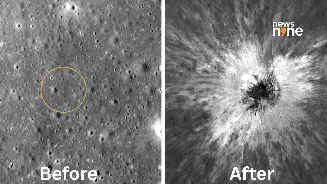
The story of this colossal crater begins not with a bang, but with a quiet data check. In late 2025, scientist Robert Wagner was performing a routine scan of images from NASA's Lunar Reconnaissance Orbiter (LRO) when he noticed something odd. A bright
spot on the Moon's surface that wasn't there in previous surveys hinted at a major disturbance. It wasn't a live feed of an explosion, but a subtle clue hidden in mountains of data. By comparing images taken before and after May 2024, Wagner and the LRO team confirmed the spot was a brand-new, enormous crater. The impact itself, which occurred sometime between April and May of 2024, had completely escaped detection by telescopes on Earth and in space at the time. It was a discovery made possible only by the LRO's consistent, long-term mapping of the lunar surface over its 17-year mission.
Anatomy of a 'Once-in-a-Century' Impact
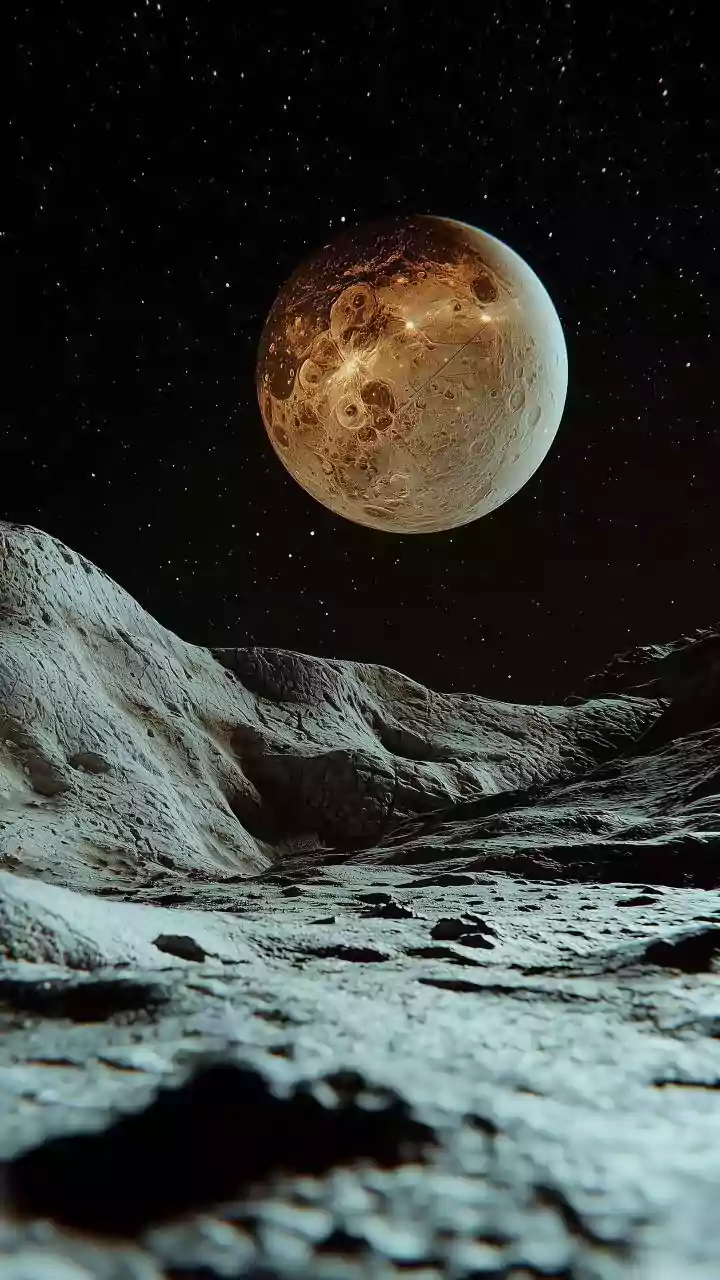
Officially named McGetchin crater, this new feature is staggering in scale. Measuring roughly 728 feet (222 meters) across and 141 feet (43 meters) deep, you could comfortably fit two football fields inside it. Scientists believe it was formed by a comet or asteroid fragment the size of a three- to six-story building slamming into the Moon. Because the Moon has no atmosphere to slow down or burn up incoming objects, the impact was incredibly violent. It is now considered the largest newly formed crater ever identified anywhere in our solar system. Researchers estimate that an impact of this magnitude happens on the Moon only about once every 130 years, making this a profoundly rare, 'once-in-a-lifetime' observation.
Why Was the Impact Missed?
So, how does an event powerful enough to carve a 728-foot hole go unnoticed? The simple answer is that space is vast, and the Moon's surface is surprisingly dynamic, though on a smaller scale. The Moon is constantly being bombarded by smaller objects, and NASA isn't monitoring every inch of the surface in real-time for explosions. The discovery relied on the patient work of the LRO, which regularly scans the entire Moon. Spotting a new feature requires carefully comparing new images against older ones to find changes. The initial wide-angle images from the LRO captured the evidence, but the change wasn't identified within the sheer volume of data until more than a year later. Only after Wagner's initial find did the team use the orbiter’s high-resolution cameras to get a closer look and confirm the crater's impressive size and features in late 2025 and early 2026.
More Than Just a Hole in the Ground
The discovery yielded another major surprise. Beyond the crater itself, thermal instruments on the LRO detected a four-mile-wide 'cold spot' surrounding the impact site. At night, this area is about 16 degrees Fahrenheit (9 degrees Celsius) cooler than the adjacent terrain. Scientists believe the impact's shockwave violently shook and loosened the lunar soil, or regolith, making it less dense. This fluffed-up soil can't hold onto heat as effectively as the more compact ground around it. This finding proves that major impacts can physically alter the lunar surface well beyond their visible craters. It's a process some scientists liken to 'gardening,' as impacts constantly churn and overturn the top layer of lunar soil, bringing buried material to the surface.
A Critical Lesson for Future Moon Missions
This discovery is more than just a cosmic curiosity; it's a vital piece of intelligence for the future of space exploration. As NASA plans to establish a long-term human presence on the Moon through its Artemis program, understanding the lunar environment is paramount. Knowing the frequency and scale of impacts like this is crucial for designing safe habitats for astronauts. The McGetchin event provides invaluable data on how far ejecta (the debris thrown from the crater) can travel and how the ground itself is altered. This information will help engineers design structures that can withstand the harsh and surprisingly active lunar environment, ensuring the safety of the next generation of moonwalkers. It also reminds us that the Moon isn't a static museum; it's a world that is still being shaped by cosmic forces.