



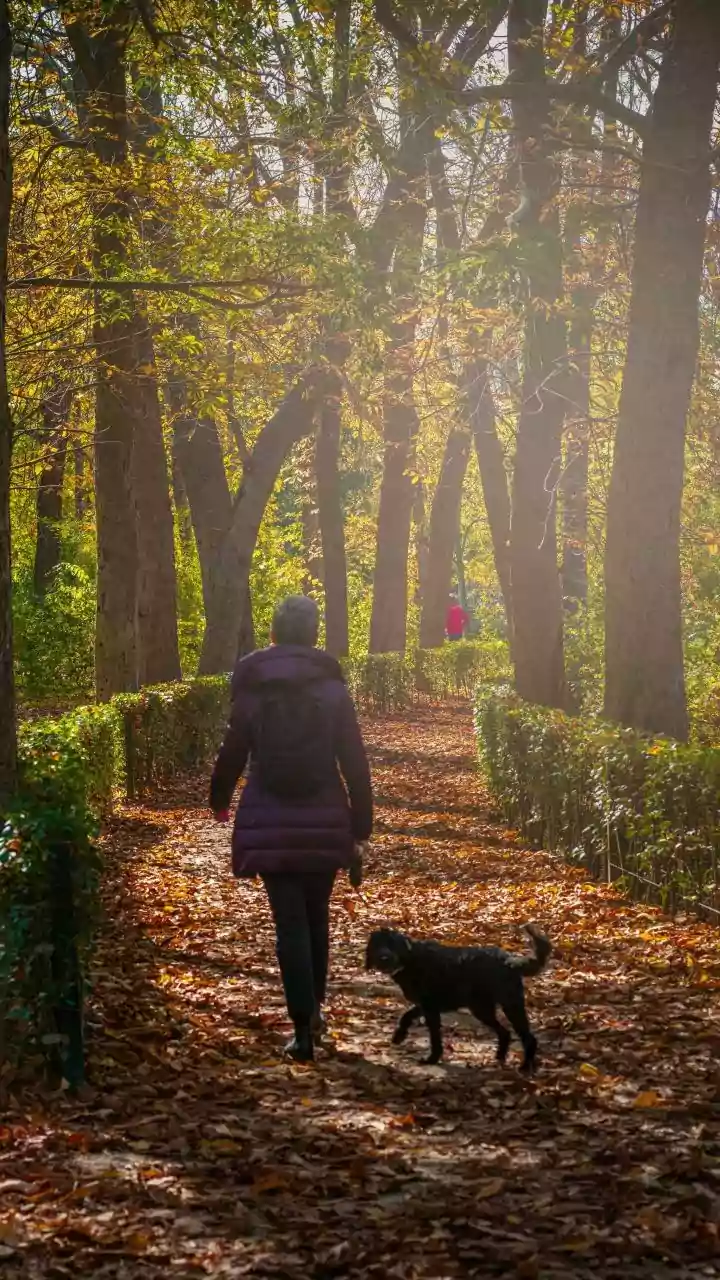



What Exactly Is Mindful Walking?
Mindful walking is a form of active meditation where you bring your full attention to the act of walking. Instead of striding to get somewhere, the goal is to be present with the experience itself. It involves paying close attention to the physical sensations
of your body in motion—the feeling of your feet on the ground, the rhythm of your breath, and the subtle shifts in balance with each step. Unlike some other forms of meditation, it doesn't require silence or stillness, making it an accessible entry point for those who find it hard to sit quietly. The practice transforms a routine movement into an opportunity for mental clarity and self-connection.
The Benefits of an Indoor Practice
You don't need a park or a quiet trail to reap the rewards of this practice. An indoor mindful walk can be just as beneficial. It serves as a potent tool to reduce stress and release physical and mental tension. By focusing on bodily sensations, you can interrupt cycles of anxious thoughts and ground yourself in the present moment. This practice enhances body awareness, improves balance, and provides a form of gentle physical activity. For many, it's a more engaging alternative to stationary meditation, especially on days when you feel restless or agitated. It’s a dedicated moment of self-care that requires no special equipment, just a small stretch of floor.
Finding Your Indoor Walking Path
One of the biggest misconceptions is that you need a lot of space. In reality, a path of just 10 to 15 paces is more than enough. This could be a hallway, the space alongside your bed, or a clear path around a dining table or sofa. The goal is not distance, but intentionality. You will be walking back and forth along this short path. Before you begin, ensure the area is free of clutter to avoid any distractions or tripping hazards. The key is to find a spot where you can move without having to constantly navigate obstacles, allowing your mind to focus on the practice rather than the logistics of your route.
A Step-by-Step Guide to Begin
Start by standing at one end of your chosen path. Take a moment to feel your feet flat on the floor. Notice your posture, and gently straighten your spine. Begin to walk at a pace that feels natural and comfortable, perhaps a little slower than usual. As you take each step, bring your awareness to the sensations in your feet. Notice the feeling as you lift your heel, as your foot moves through the air, and as it makes contact with the floor again—heel, then sole, then toes. Sync your breath with your steps if it feels right, perhaps inhaling as you lift one foot and exhaling as you place it down. When you reach the end of your path, pause for a moment. Turn around deliberately, pause again, and then continue your walk in the other direction.
Engaging All Your Senses
An indoor walk offers a unique sensory landscape. Use this to your advantage. As you walk, tune into the sounds within your home—the hum of the refrigerator, the distant sound of traffic, or the chirping of a bird outside a window. Notice the different textures under your feet, especially if you’re walking barefoot. How does the cool smoothness of a tile floor feel compared to the soft pile of a rug? Pay attention to how light falls in the room, creating shadows and bright spots. Engaging all your senses anchors you more deeply in the present moment and prevents the practice from feeling monotonous.
Overcoming Common Distractions
It's completely normal for your mind to wander during the practice—that’s what minds do. You might get distracted by a to-do list, a noise from another room, or feelings of self-consciousness. The key is not to fight these distractions. When you notice your mind has drifted, gently acknowledge the thought without judgment and then guide your attention back to the sensation of walking. If you live with others, you can let them know you need a few minutes of uninterrupted time, or simply embrace the ambient sounds of the household as part of your meditation. Start with just five or ten minutes; consistency is more important than duration.