





A Different Kind of Special
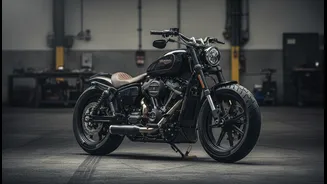
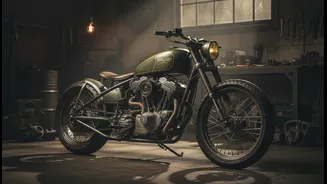
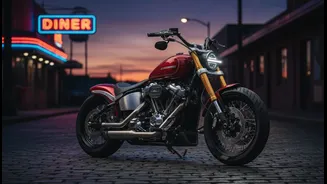
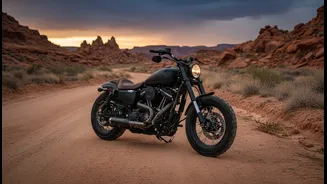
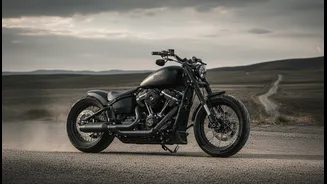
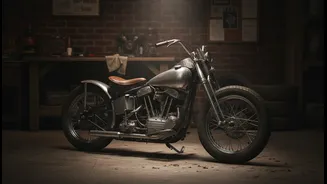
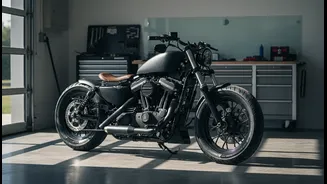
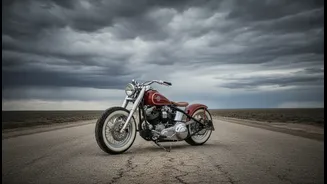
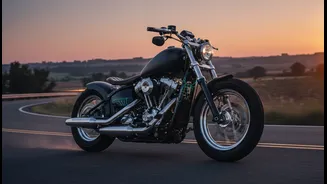
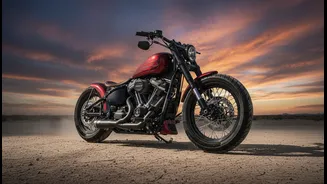
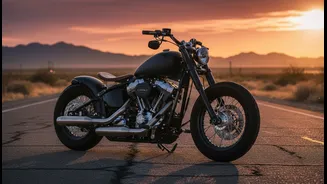
At first glance, the 2026 Harley-Davidson Deadwood follows a familiar script. It's a blacked-out, stripped-down cruiser inspired by the post-WWII custom scene. The bike, named for the iconic Black Hills community near Sturgis, is based on the popular
Heritage Classic model. It swaps chrome for black finishes, removes the passenger seat and saddlebags, and gets a shorter, smoked windshield for a slammed, solo profile. The tank features a unique graphic that evokes a Western feel. But unlike many special editions that add features and inflate the price, the Deadwood is a story of subtraction. It's a variant that is actually priced $2,000 lower than the Heritage Classic it's based on, signaling a strategic shift for the brand.
The Heart of the Matter
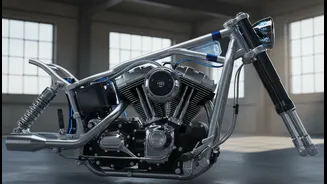
While the aesthetics are about simplicity, the powertrain is anything but basic. The Deadwood is equipped with the formidable Milwaukee-Eight 117 V-Twin engine, the same powerhouse found in the Heritage Classic. This engine delivers a claimed 98 horsepower and a substantial 120 lb-ft of torque, with a tune focused on a broad, manageable powerband perfect for cruising. By shedding the extra weight of luggage and a passenger setup, the Deadwood is a significant 33 pounds lighter than the Heritage Classic, which should translate to a noticeably quicker feel off the line and more nimble handling. This isn't just a styling exercise; it’s a performance decision achieved through simplification.
Modern Tech, Vintage Vibe
One of the most compelling aspects of the Deadwood is how it hides modern technology in plain sight. While the cockpit features a classic, tank-mounted analog speedometer to maintain its retro feel, the bike is packed with contemporary rider aids. It comes standard with an advanced electronics package that includes cornering-aware anti-lock brakes (ABS), traction control, and cornering drag torque slip control, all informed by an inertial measurement unit (IMU). It also features three selectable ride modes (Road, Sport, and Rain) and a tire pressure monitoring system. This thoughtful integration means riders get the safety and convenience of modern tech without sacrificing the clean, old-school aesthetic the bike is built around.
A Strategic 'Blank Canvas'
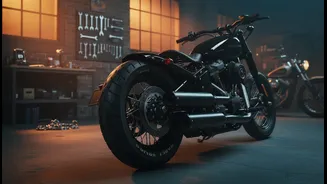
The Deadwood isn't just a new model; it's a clear signal of Harley-Davidson's evolving business strategy under its “Back to the Bricks” plan. The company is moving away from solely offering high-priced, fully loaded premium bikes and is instead creating more accessible "blank canvas" models. These bikes provide a solid, desirable platform for customers to either enjoy as-is or customize to their personal taste, boosting the high-margin parts and accessories business. By offering a stripped-down but mechanically potent bike like the Deadwood at a lower price point, Harley is appealing to riders who value performance and style but don't want to pay for features they might remove anyway.