





The Allure and the Challenge
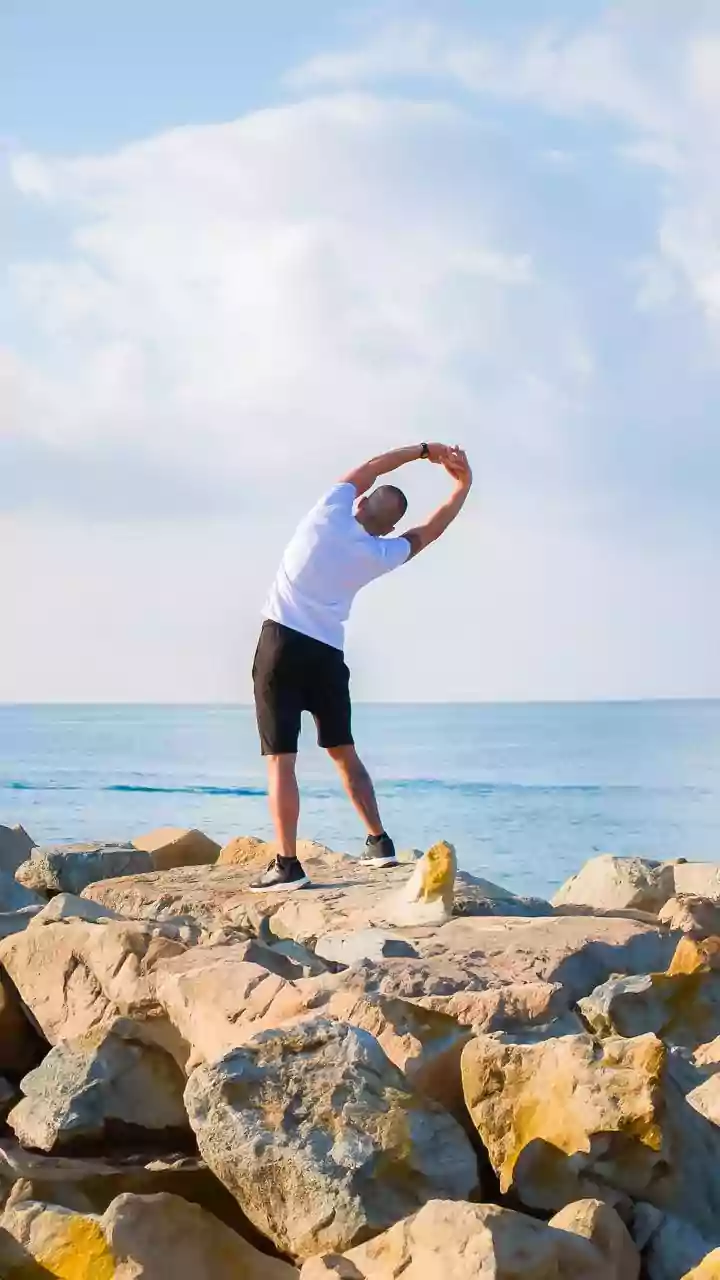
There is an undeniable appeal to practicing Tai Chi in a natural seaside setting. The fresh sea air, the vast horizon, and the sound of the waves can deepen the meditative quality of the practice, enhancing feelings of calm and connection. Many find that
this environment helps reduce tension and quiet mental chatter more effectively than an indoor space. However, the very elements that make the beach so appealing also create practical hurdles. The soft, shifting sand challenges stability in ways a flat studio floor does not, and the open environment means dealing directly with the elements. Ignoring these factors can lead to a frustrating session, or even increase the risk of strain. By consciously adapting to the environment, you can harness the full, restorative potential of beachside practice.
Footwear: To Shoe or Not to Shoe?
On a hard, flat surface, dedicated Tai Chi shoes are often recommended—something flat, flexible, and thin-soled to allow you to feel the ground. But on sand, the rules change. Many experienced practitioners advocate for going barefoot. This allows your toes to spread and grip the sand, providing better stability and a more direct connection to the earth. Your feet and ankles will work harder to maintain balance on the uneven surface, which can help build strength. If you prefer to wear shoes, standard running shoes with thick, cushioned soles are not ideal. Their design can make you unstable on an already unstable surface and put unnecessary strain on your knees during pivots. If you do opt for footwear, minimalist 'barefoot' shoes with a wide toe box and a thin, flexible sole are a much better choice, offering protection without sacrificing the sensory feedback that is crucial for balance.
Surface: Working With, Not Against, the Sand
The sand is perhaps the biggest adjustment for anyone used to practicing on a solid floor. Its uneven and yielding nature demands greater mindfulness and physical control. Instead of fighting it, think of the sand as a training partner. It provides natural resistance that engages your core and leg muscles more deeply to maintain stability. Begin your practice near the water's edge on damp, firm sand, which offers a more stable base. As you become more confident, you can move to softer, drier sand to increase the balance challenge. Be aware that the constant micro-adjustments required can be tiring. It may be wise to shorten your practice initially or focus on simpler forms. Tai Chi emphasizes a 'rooted' feeling, and practicing on sand forces a more dynamic and conscious approach to achieving that grounding.
Temperature: Managing the Elements
When you practice outdoors, you are subject to the climate. In summer, high heat and humidity can be draining and even dangerous. It's often best to practice in the early morning or during sunset when temperatures are cooler. During hot weather, your body is already working hard to stay cool, so a vigorous session can be too taxing. In these conditions, focusing on stillness, breathing, and slower, less strenuous movements is a wise approach. Conversely, in colder weather, it's vital to dress in warm, weather-resistant layers. While Tai Chi's slow movements generate a surprising amount of internal warmth, you don't want to start your practice cold and stiff. Gentle warm-ups are key. Pay attention to how you feel; if strong, cold winds are draining your energy, it might be better to practice indoors that day. The goal is to work in harmony with the season, not to fight against it.