



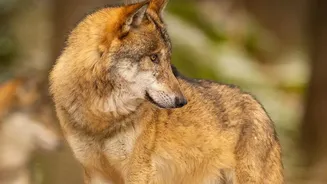
A Conservation Story for the Ages
Not long ago, the howl of a wolf was absent from most of the European continent. Systematic hunting and habitat loss had decimated populations, and by the mid-20th century, the animal had vanished from much of Western and Central Europe. But thanks to
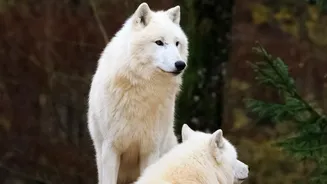
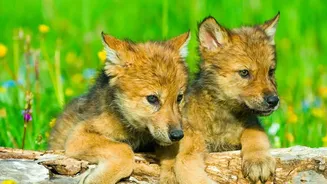
dedicated conservation laws and shifts in land use, the story has dramatically reversed. The wolf population has surged, with recent estimates suggesting there are now more than 21,500 wolves across the continent, a significant increase over the last decade. Countries like Italy, Spain, Germany, and Poland now host thriving packs, a testament to the species' incredible resilience and the effectiveness of protection efforts. This comeback is considered one of modern Europe's greatest conservation triumphs, a rare instance of a large predator reclaiming landscapes long dominated by humans.
The New Wilderness Itinerary
As wolf populations have grown, a new phenomenon has emerged: wolf tourism. Adventure travelers are increasingly seeking out expert-led expeditions for a chance to connect with this iconic predator. This isn't a guaranteed safari experience. The thrill lies in the possibility, not the certainty, of a sighting. These trips focus on the art of tracking and understanding the ecosystem. Guides lead small groups through ancient forests and across remote mountains, teaching them to read paw prints in the mud, identify scat, and listen for the distant howl of a pack. The experience is about immersion in the wild and appreciating the landscape through the eyes of its apex predator. Responsible tour operators emphasize a 'leave no trace' philosophy, keeping a respectful distance and ensuring the animals' natural behaviors are not disturbed.
Hotspots on the Howling Map
Several regions have become hubs for this new form of eco-travel. Italy's Apennine Mountains, particularly in the Abruzzo region, offer a wild backdrop where travelers can track the Italian wolf, a subspecies that survived against the odds. In Spain, the Sierra de la Culebra has become known for wolf observation, with tourism providing a valuable economic resource for the area. Further north, the primeval Bialowieza Forest in Poland offers winter tracking opportunities, where the search for wolves might also lead to encounters with European bison and lynx. Even in the Carpathian Mountains of Romania, travelers can stay in lodges that support conservation while exploring one of Europe's last great wildernesses. Each destination provides a unique window into how different communities are learning to live alongside this returning predator.
A Path to Coexistence?
The rise of wolf tourism is more than just a travel trend; it represents a potential pathway toward a more balanced relationship between humans and wildlife. This form of tourism can create tangible economic benefits for rural communities, providing an incentive to protect wolves and their habitats. Money from guided tours often flows back into local economies and conservation projects, funding initiatives to mitigate conflict between wolves and livestock farmers. However, the model is not without its challenges. The return of a large predator inevitably creates tension, particularly for farmers who face livestock losses. The key, according to conservationists, is responsible management. Well-organized tourism can foster acceptance and provide funding for conflict-prevention measures, but it must be carefully handled to avoid habituating wolves to humans, which can create new dangers for both people and the animals themselves.