




Understanding Your Body's Balancing Act
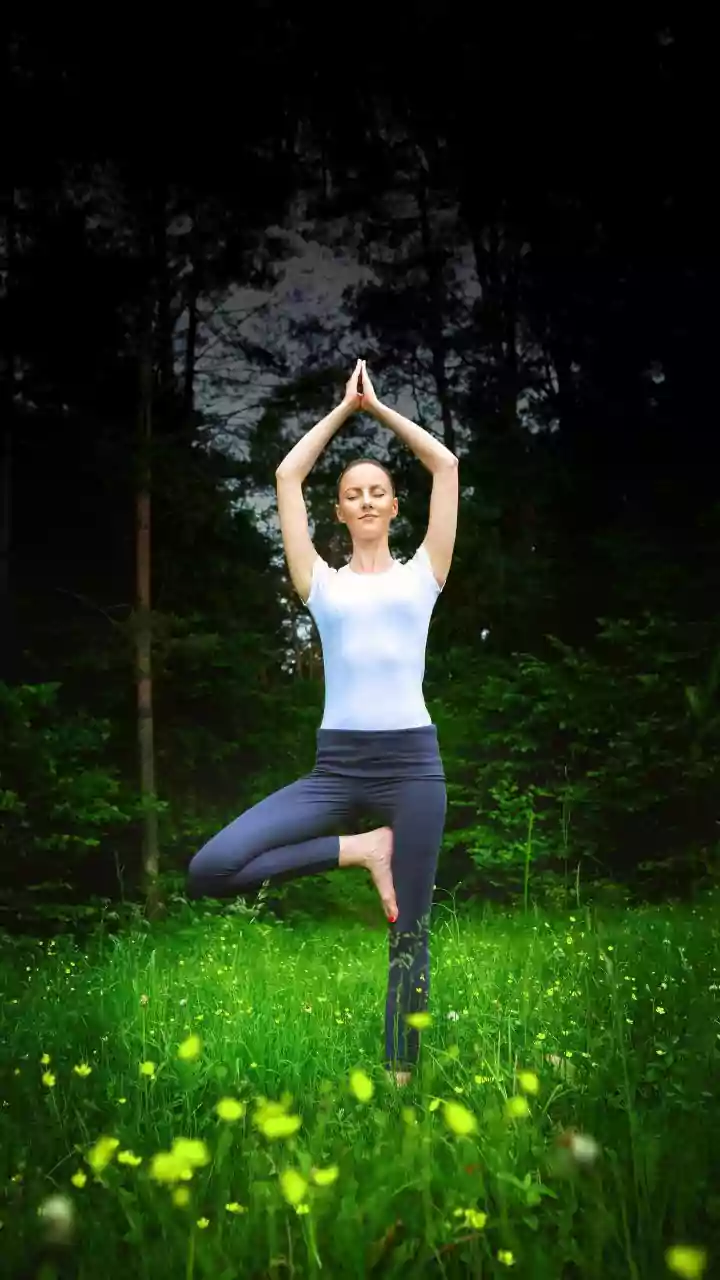
Postural control is the complex way your body maintains balance, whether you're standing still (static balance) or moving (dynamic balance). It’s a constant conversation between your brain, your senses (like vision and inner ear), and your muscles and joints.
Slow postural control refers to the fine-tuned adjustments your body makes during deliberate, unhurried movements. Think of it as the subtle muscular tweaks that keep you stable while reaching for something on a high shelf or walking carefully on an uneven path. This skill is crucial for preventing falls, improving athletic performance, and maintaining mobility as we age. Research has shown that improving postural control can significantly reduce the risk of falls, particularly in older adults.
Tai Chi: An Ancient Master of Stability
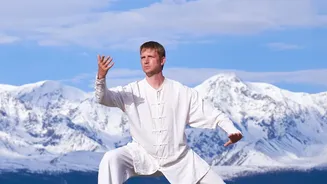
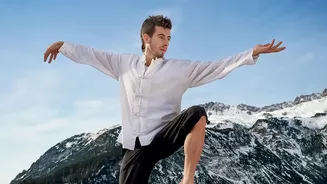
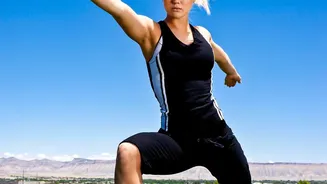
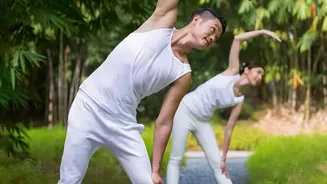
Tai Chi is often described as 'meditation in motion', but it's also a powerhouse for balance training. Its foundation lies in slow, continuous, and deliberate movements that emphasize the shifting of weight from one leg to another. This practice trains the body to maintain its center of gravity through a wide range of motions. Studies have confirmed that long-term Tai Chi practice improves joint proprioception—the body's ability to sense its own position in space—and enhances control during voluntary weight shifts. By strengthening lower limb muscles and improving the mind-body connection, Tai Chi makes practitioners more aware of their posture and better able to correct imbalances before they lead to a stumble or fall.
Adding Instability: The Skating Challenge
Now, imagine performing these controlled Tai Chi movements while wearing skates. The stable ground is replaced by a rolling, less predictable surface, dramatically increasing the challenge to your postural control systems. Every slight shift in weight is magnified, forcing the muscles in your feet, ankles, and core to work much harder to maintain stability. This concept is central to many forms of advanced fitness training. By introducing an unstable surface, you force the body to recruit more muscle fibers and refine its neuromuscular communication—the signals sent between the brain and the muscles—to stay upright. This heightened demand is precisely what can lead to greater gains in balance and control over time.
Ground vs. Skates: A Postural Control Showdown
While direct, peer-reviewed studies comparing Tai Chi on skates to traditional practice are still emerging, the principles of biomechanics provide a clear picture. Research indicates that Tai Chi practitioners already show better postural stability in more challenging conditions compared to non-practitioners. Introducing an unstable surface like skates acts as a 'challenging condition' on steroids. The constant, minute adjustments required on wheels would likely accelerate the development of the body's dynamic balance capabilities. While traditional Tai Chi excels at improving control in predictable situations, practicing on skates would theoretically provide superior training for reacting to unexpected shifts in balance, similar to how practicing on one leg or with eyes closed enhances stability. The body adapts to the specific demands placed upon it; therefore, training in a highly unstable environment should yield greater improvements in the ability to manage instability.
What This Means For Your Fitness and Wellness
The comparison between these two forms of Tai Chi isn't just an academic exercise; it offers valuable insights for anyone interested in physical fitness. For athletes in sports like hockey, skiing, or figure skating, incorporating Tai Chi-like movements on an unstable surface could be a revolutionary form of cross-training to improve core stability and edge control. For older adults, while Tai Chi on skates is likely too high-risk, the principle holds: challenging your balance is key. This can be done safely through variations like standing on one leg or using a wobble board under supervision. For the average fitness enthusiast, it highlights a path toward more functional training. By moving beyond static exercises and embracing practices that challenge your stability, you are building a more resilient and capable body, better prepared for the physical demands of everyday life.