







More Than Just a Gut Feeling
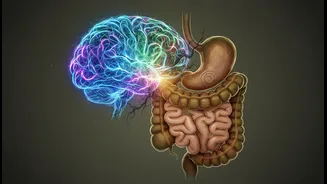
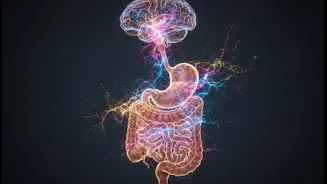
The connection between your gut and your brain is a real and powerful one, often called the gut-brain axis. Think of it as a constant, two-way communication highway. This network involves the nervous system, hormones, and the immune system, all working
to link your emotional and cognitive centres with your digestive functions. A huge part of this connection involves the trillions of microbes living in your gut, known as the gut microbiome. These tiny organisms play a massive role in your health, helping produce essential neurochemicals that influence how you feel. For example, a significant portion of the body's serotonin, the 'feel-good' chemical that helps regulate mood, appetite, and sleep, is produced in the gut. When this microbial community is out of balance—a state known as dysbiosis—it can lead to inflammation and disrupt these crucial communication signals, potentially affecting everything from your mood to your behaviour.
Your Appetite as a Barometer
Changes in appetite are one of the most common, yet frequently overlooked, signs of a shift in mental or emotional health. It's not just about feeling hungry or full; it’s about how your body’s desire for food changes in response to your psychological state. Depression and anxiety can dramatically alter appetite. For some, emotional distress leads to a complete loss of appetite, making food seem unappealing and eating feel like a chore. For others, it can trigger intense cravings for high-fat, sugary comfort foods. These shifts are rooted in brain chemistry. Hormones like cortisol, which rises during stress, can either suppress hunger or drive cravings. Likewise, fluctuating serotonin levels can scramble the brain's signals for hunger and fullness. Noticing a sustained change in your eating patterns—whether you're suddenly eating much more or much less—can be a valuable clue that your mental well-being needs attention.
The Unspoken Clues in Your Stool
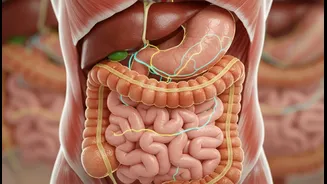
While it may feel like a taboo topic, your bowel movements offer a direct window into your overall health. Your stool’s frequency, consistency, and colour can reveal important information about your diet, hydration, stress levels, and gut health. The Bristol Stool Scale, a tool used by doctors, categorizes stool into seven types, from hard, separate lumps (indicating constipation) to entirely liquid (indicating diarrhoea). Healthy stool is typically soft, well-formed, and easy to pass. Persistent constipation or diarrhoea can be a sign that something is amiss. These issues can be linked to stress, as the gut-brain axis can cause the digestive system to either slow down or speed up in response to anxiety. Paying attention to what’s normal for you is key. An abrupt and lasting change could signal an issue worth discussing with a healthcare professional.
A New Conversation With Your Doctor
In the past, discussions about mental health and digestive health often happened in separate rooms. Today, there's a growing recognition that they are deeply interconnected. Some healthcare settings are even integrating GI psychologists and behavioural health specialists into digestive care teams to treat the patient holistically. When you experience a shift in your mood or behaviour, it’s helpful to also consider what’s happening with your body. Have you lost your appetite? Are your bowel habits different? These are not embarrassing details; they are critical pieces of your health puzzle. Bringing up these physical symptoms with your doctor provides a more complete picture, allowing for a more accurate diagnosis and effective treatment plan. Sharing this information can help your provider distinguish between a primary digestive issue, a mental health condition, or the complex interplay between the two.