







It was the kind of travel chaos not seen in a generation. A sudden, nationwide ground stop brought US air travel to a standstill, revealing a critical vulnerability in the system. Now, experts warn that the initial explanation isn't enough.
What Brought the System Down?
On Friday,
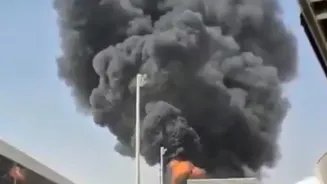
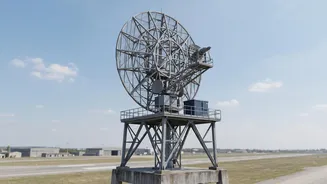
November 13, 2026, the Federal Aviation Administration (FAA) ordered a halt to nearly all domestic flight departures for roughly five hours. This drastic measure was triggered by a telecommunications failure that caused instability in the networks connecting air traffic control centres. Preliminary findings suggest that new routers being installed as part of a system upgrade overloaded older, legacy equipment, flooding the network with data and disrupting communications and radar feeds. More than 9,000 flights were cancelled, and over a million passengers were stranded, leading to days of cascading delays. While officials quickly ruled out a cyberattack, the event exposed the fragility of the nation's aviation backbone.
A System Showing Its Age
This wasn't the first time a technical glitch has caused widespread disruption. A similar, though less severe, ground stop occurred in January 2023 when the FAA's Notice to Air Missions (NOTAM) system failed due to a corrupted database file. That incident was traced back to human error during maintenance, where a contractor accidentally deleted files. Experts argue that both events are symptoms of a much larger disease: chronic underinvestment and a reliance on decades-old technology. According to a Government Accountability Office report, a significant portion of the FAA's critical systems are considered unsustainable due to their age. The November 2026 failure was simply the latest, most dramatic example of what happens when new technology is bolted onto a crumbling foundation.
Why Experts Want a Deeper Look
While the immediate cause might have been a router malfunction, aviation experts and industry groups are pushing for a more comprehensive investigation. They argue that simply blaming a single piece of hardware or human error misses the point. The real issue is systemic. A fuller technical inquiry would scrutinize the entire modernization strategy, the adequacy of funding, and the FAA's oversight of its contractors. A 2023 safety review had already warned that the telecommunications network relied on obsolete technology and was vulnerable to a major failure. Experts want to know why those warnings did not lead to more urgent action and what safeguards failed to prevent the entire network from collapsing.
The Push for Modernization
In the wake of the shutdown, the White House requested $50.1 billion from Congress to overhaul the nation's air traffic control system. The proposal includes funds to complete the transition to a modern digital architecture, rebuild aging control towers and regional centers, and upgrade airport terminals. Aviation industry groups, representing airlines, manufacturers like Boeing and Airbus, and unions, have echoed this call, demanding at least $30 billion to fix a system they say is 'under increasing strain'. However, some critics point out that billions in previously allocated modernization funds remain unspent and are demanding a clear plan and greater transparency before committing more taxpayer money. The debate isn't just about money; it's about the fundamental structure of the FAA, which some analysts believe is ill-equipped to manage a 21st-century aviation system.