





First, What Are Ultra-Processed Foods?
Before we dive into the risks, it’s important to know what we’re talking about. The most widely used system, called NOVA, classifies foods into four groups based on their level of processing. Unprocessed or minimally processed foods are things like fresh
fruits, vegetables, dal, and plain yogurt. Processed foods include items like canned vegetables or simple cheeses. Ultra-processed foods, or UPFs, are at the far end of the spectrum. These are industrial formulations, typically with five or more ingredients, including additives like colours, flavours, and emulsifiers that you wouldn't use in a home kitchen. Think packaged biscuits, chips, instant noodles, sugary drinks, and ready-to-eat meals. Their sales in India have grown exponentially, becoming a common feature in urban and even rural shops.
What the Research Says About Risk
Recent large-scale studies have solidified the link between high UPF consumption and negative health outcomes. A massive meta-analysis published in Family Medicine and Community Health, covering nearly nine million people, found that higher UPF intake was associated with increased risks for a range of chronic diseases. Specifically, the research showed dose-dependent links, meaning the more UPFs people ate, the higher their risk. Each additional 100-gram daily serving—roughly the equivalent of two hot dogs or a large cookie—was associated with a higher chance of cardiovascular events, cancer, and all-cause mortality. The study authors concluded that reducing UPF intake could be important for preventing chronic diseases.
Why The Bigger Picture Matters More
This is where the headline's nuance becomes critical. While the risks of a UPF-heavy diet are clear, other major studies argue that focusing only on the 'processed' label can be misleading. A recent Harvard study of over 200,000 people found that the nutritional quality of a person's overall diet was a much stronger predictor of long-term health. The research found that healthy diets were linked to lower risks of heart disease, type 2 diabetes, and death, while unhealthy diets raised those risks, regardless of whether the foods were ultra-processed or not. In other words, a diet's overall pattern of nutrients is more significant than the processing level of any single item.
Not All UPFs Are Created Equal
The Harvard study highlights that some UPFs, like whole-grain breads and certain plant-based alternatives, can be part of a healthy diet. Conversely, a minimally processed food can be unhealthy if prepared with excess fat or sugar. This suggests that universally advising people to avoid all UPFs could lead to confusion and even lower diet quality if they miss out on beneficial processed foods. The core issue with many UPFs is not just the processing itself, but that they are often high in unhealthy fats, sugar, and salt while being low in fibre and essential nutrients. This 'cocktail effect' of additives and nutrient displacement is what likely drives many of the observed health risks.
How to Build a High-Quality Diet
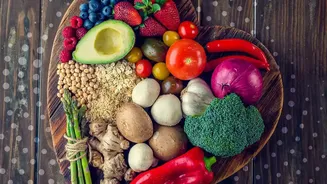
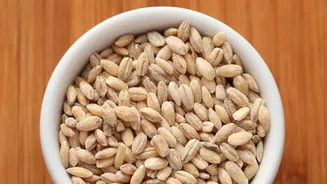
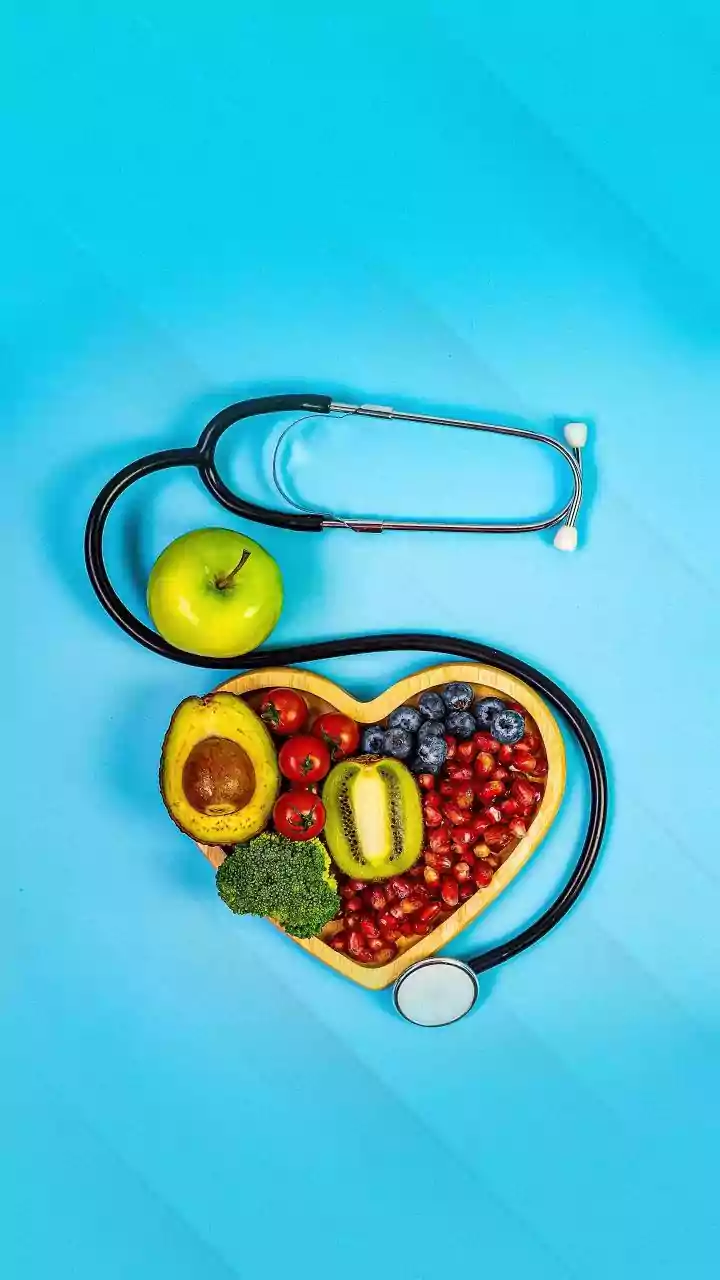
So, what does this mean for your daily meals? Instead of obsessing over a single label, the focus should shift to building a better overall dietary pattern. A high-quality diet is rich in whole and minimally processed foods like fruits, vegetables, whole grains, lean proteins, and legumes. It prioritizes nutrient density over convenience. In an Indian context, this can mean leaning into traditional dietary patterns that are naturally high in fibre and plant-based ingredients. Think about what you can add to your plate, not just what to remove. Swapping a packaged snack for a piece of fruit, adding extra vegetables to your curry, or choosing whole-wheat roti over refined flour options are all steps toward improving your diet's quality without demanding perfection.