






A New Era in the Sky
IndiGo is embarking on the most significant transformation in its 20-year history. The airline has placed a firm order for 60 Airbus A350-900 wide-body aircraft, with the first planes expected to arrive starting in 2028. This move signals a deliberate
pivot from its well-established identity as a domestic and short-haul budget carrier to a formidable player in the long-haul international market. For years, IndiGo mastered the art of efficiency with a uniform fleet of narrow-body Airbus A320-family jets. The introduction of the A350, an aircraft designed for intercontinental flights, is not just a fleet upgrade; it's a strategic reinvention aimed at competing directly with global aviation giants.
Introducing the Multi-Class Cabin
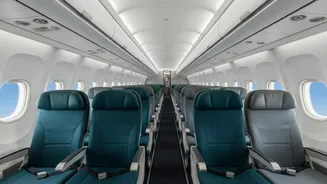
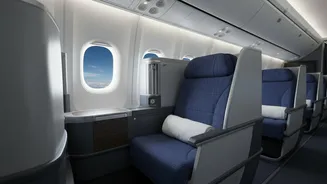
The most visible change for passengers will be the cabin itself. For the first time, IndiGo will offer a multi-class configuration on these long-haul flights. Recent announcements confirm the A350s will feature a three-class layout: a business class with lie-flat seats, a premium economy section, and a standard economy cabin. The planned configuration includes 16 business class seats, 28 in premium economy, and 333 in economy. This marks a radical departure from the all-economy layout that defined its brand. Even while introducing premium options, the airline is sticking to its efficiency-first principles by opting for a high-density economy cabin. This allows IndiGo to keep its overall seat costs low, a key part of its strategy to compete on fares.
The Strategy Behind the Splurge
Why the sudden shift? It's a calculated response to a changing Indian aviation market. With the Tata Group's revitalisation of Air India, IndiGo faces a stronger full-service competitor on both domestic and international fronts. Furthermore, a significant portion of India's international traffic has long been captured by Gulf carriers. By launching its own long-haul, premium product, IndiGo aims to recapture this valuable market of Indian outbound travelers and the global diaspora. The goal is to increase its international capacity from 28% to 40% by 2030, leveraging its vast domestic network to feed passengers into these new global routes from major Indian hubs.
What This Means for Indian Flyers
For travellers, this means more choice and competition on long-haul routes to destinations in Europe and beyond. IndiGo's entry into this space is expected to bring its trademark competitive pricing to premium cabins, potentially putting downward pressure on fares offered by legacy carriers. While the A350s are a few years away, IndiGo has been testing the waters. It launched 'IndiGoStretch' seats on some domestic routes, offering a business-class-style experience with more legroom, complimentary meals, and priority services. This has allowed the airline to build experience in premium service delivery ahead of its major international push. However, passengers should note this is a long-term plan; the airline is even temporarily discontinuing some leased wide-body routes to London until its own A350s arrive.
A Complex and Ambitious Gamble
Transitioning from a low-cost, point-to-point airline to a full-service, long-haul network carrier is notoriously complex. The operational challenges are immense, spanning everything from crew training and complex maintenance to delivering a consistent premium service and managing global flight disruptions. IndiGo has built its empire on a foundation of ruthless efficiency and standardisation. Maintaining that cost discipline while introducing the complexities of lie-flat beds, multi-course meals, and international lounges will be its biggest test yet. The success of this ambitious leap will not only redefine IndiGo but could also reshape the landscape for international travel from India for years to come.