

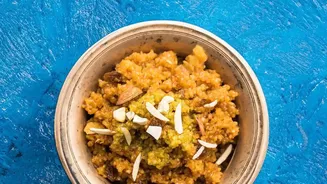
The Contenders: Meet the Millets
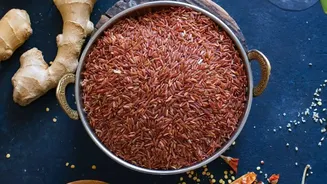
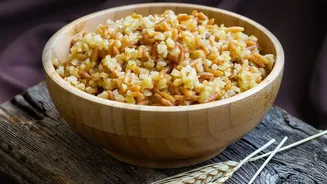
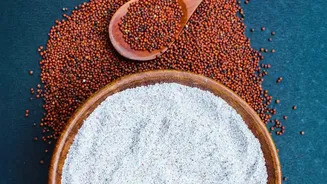
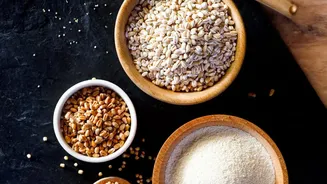
For thousands of years, long before rice and wheat dominated Indian plates, millets were our staple foods. These 'mota anaaj' or coarse grains are making a comeback. The most popular varieties include Jowar (sorghum), Bajra (pearl millet), and Ragi (finger
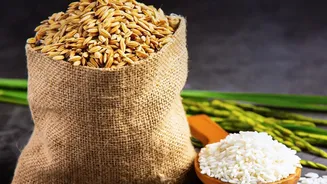
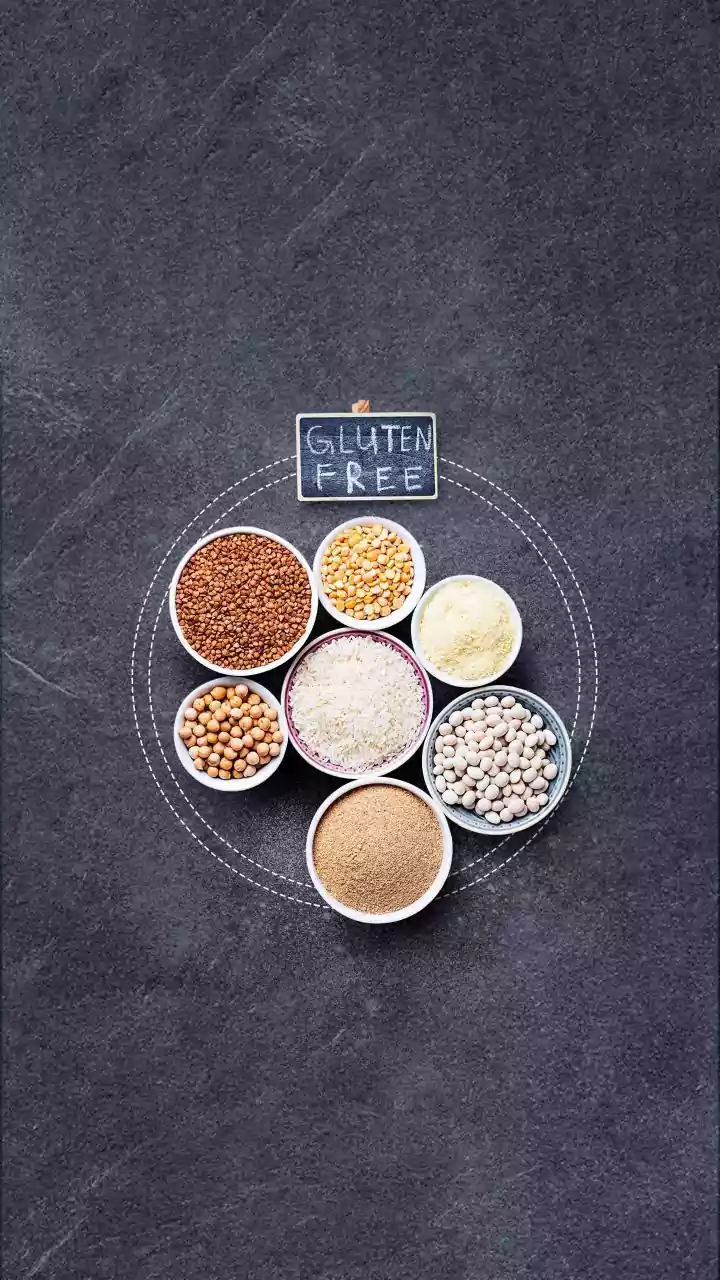
millet). Other common types are Foxtail (thinai), Barnyard (sanwa), and Kodo millets. Unlike rice paddies, which require immense amounts of water, millets are hardy, drought-resistant crops, making them an environmentally sustainable choice. They are also naturally gluten-free.
The Nutritional Showdown: Millets vs. Rice
This is where millets truly shine. Compared to polished white rice, millets are nutritional powerhouses. They are significantly higher in dietary fibre, protein, and essential minerals. For example, Ragi has about 30 times more calcium than white rice, while other millets offer substantially more iron and magnesium. The high fibre content in millets helps improve digestion, keeps you feeling full for longer, and prevents overeating. White rice, being low in fibre, is digested quickly and can leave you feeling hungry sooner.
The Glycemic Index Advantage
For anyone managing blood sugar levels, including those with diabetes or pre-diabetes, the Glycemic Index (GI) is a critical factor. The GI measures how quickly a food raises blood glucose. Polished white rice has a high GI, often above 73, causing a rapid spike in blood sugar. Most millets, on the other hand, fall into the low-to-medium GI category, with values typically between 50 and 65. This means they release energy slowly, leading to more stable blood sugar levels throughout the day. This slow release of energy is beneficial for sustained energy, weight management, and overall metabolic health.
Taste, Texture, and Cooking
This is perhaps the biggest adjustment when switching from rice. Millets are not a direct substitute in terms of flavour or feel. White rice is soft and has a neutral taste that absorbs other flavours easily. Millets have a distinct, slightly earthy or nutty flavour and a denser, chewier texture. Cooking them also requires a different approach. Soaking is an essential step for most unpolished millets. It helps soften the grain, reduces cooking time, and also helps to break down 'antinutrients' like phytic acid. Millets generally require a 1:2 or 1:3 grain-to-water ratio and can be cooked in a pressure cooker, on the stovetop, or in a rice cooker.
A Note on Antinutrients
While millets are incredibly nutritious, they do contain compounds known as antinutrients, such as phytic acid and tannins. These can bind to minerals like iron, zinc, and calcium, making them less available for your body to absorb. However, this is not a major concern for most people eating a varied diet. Traditional preparation methods like soaking for several hours, sprouting, or fermenting (as in a dosa batter) significantly reduce these antinutrients and improve mineral bioavailability. So, a little bit of prep work goes a long way in unlocking the full nutritional potential of these grains.
How to Make the Switch
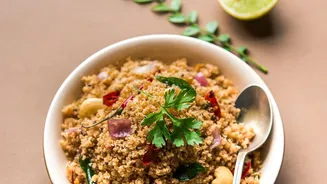
The best approach is gradual. Don't try to replace all your rice overnight. Start by introducing millets into one meal a day. A great way to begin is by making a multi-grain flour, mixing millet flour (like ragi or jowar) with your regular wheat atta for rotis. You can try making familiar dishes like upma, khichdi, or pulao using millets like foxtail or barnyard millet instead of rice or sooji. As you get used to the taste and texture, you can experiment with different millets and recipes. Rotating through various types of millets ensures you get a wide array of nutrients.