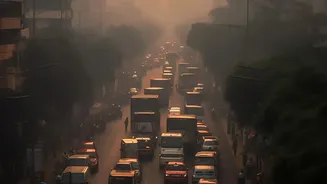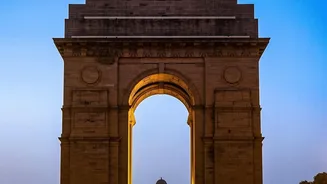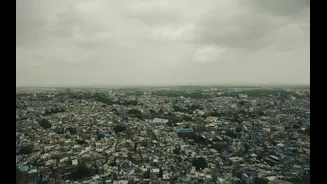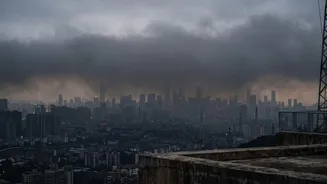





As the crisp autumn air signals the arrival of winter in Delhi-NCR, it also brings a familiar sense of dread. The annual smog season is upon us, and forecasts indicate another challenging period of hazardous air quality lies ahead.
The Annual Pollution Cocktail
Every winter, the air
quality in India's National Capital Region deteriorates into a toxic haze. This is not a random occurrence but the result of a predictable, yet devastating, combination of factors. The primary local culprits remain consistent: emissions from a staggering number of vehicles, dust from widespread construction activities, and industrial pollution. These sources form the baseline of pollution that plagues the region year-round. However, as winter sets in, the situation is dangerously amplified by two key elements: stubble burning in neighbouring states and specific meteorological conditions. The smoke from agricultural fires in states like Punjab, Haryana, and Uttar Pradesh drifts towards Delhi, adding a massive load of particulate matter to the already polluted air. This deadly combination creates the thick, choking smog that has become synonymous with winter in the capital.
Weather's Decisive Role
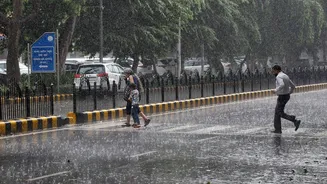
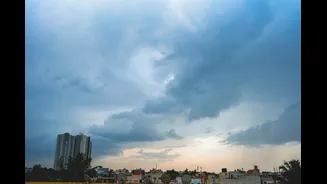
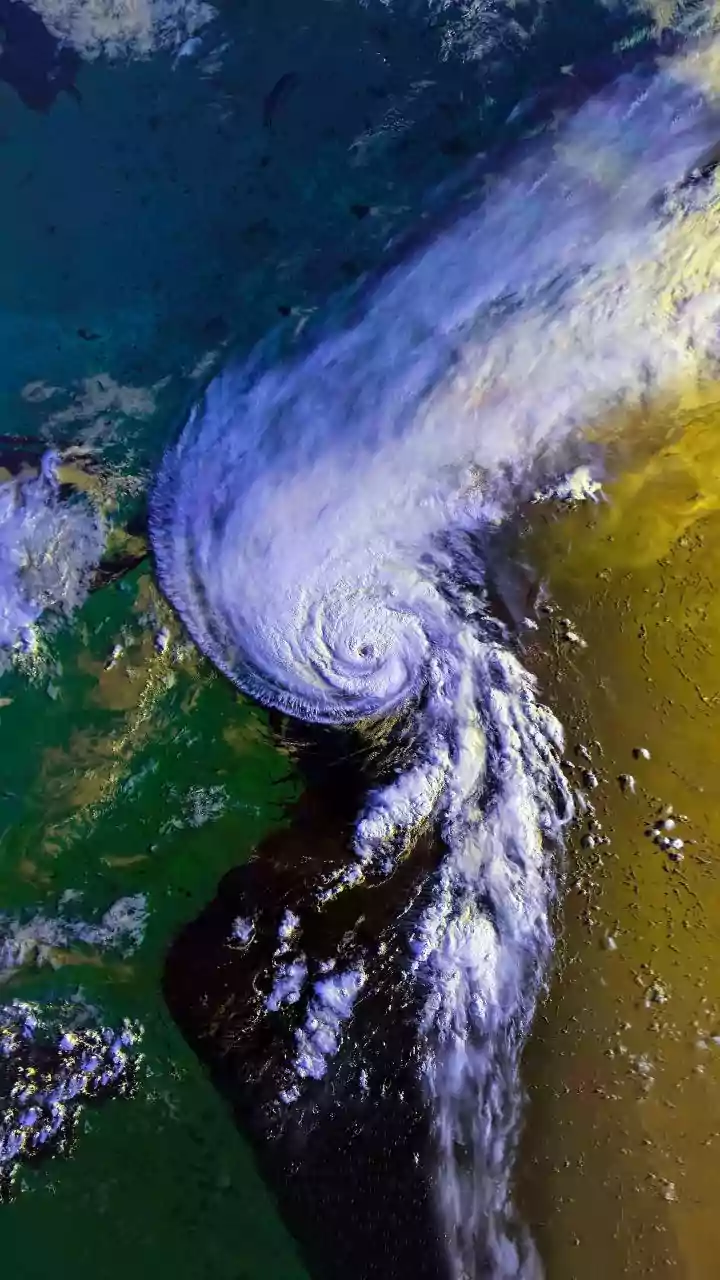
Weather patterns are the critical ingredient that turns high pollution levels into a severe public health crisis. During winter, lower temperatures lead to a phenomenon called thermal inversion, where a layer of warm air traps cooler, denser, polluted air near the ground, preventing it from dispersing. Compounding this, wind speeds drop significantly, meaning there is nothing to blow the accumulated pollutants away. Experts have also pointed to the potential impact of a strong El Niño this year, which could lead to a drier season with fewer 'western disturbances'—the rain spells that typically help wash pollutants from the atmosphere. This combination of stagnant air and limited rainfall creates a perfect storm, sealing the toxic smog over the Indo-Gangetic plain and locking millions of people in a hazardous gas chamber.
Shifting Stubble Burning Dynamics
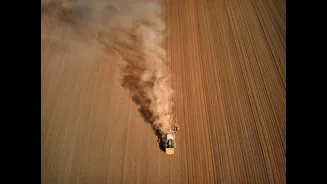
While stubble burning remains a major concern, the geographical dynamics appear to be changing. Recent data from October 2026 shows that while incidents in Punjab, Haryana, and Uttar Pradesh have seen a decline compared to previous years, there has been a significant and worrying surge in farm fires in Madhya Pradesh and Rajasthan. Between September 15 and October 12, 2026, Madhya Pradesh saw a 452% increase in stubble burning incidents. Though Punjab's cumulative count has recently crossed last year's level for the same period, the rise in other states complicates the regional effort. The Union Agriculture Minister has expressed concern, urging these states to take immediate action. The effectiveness of these efforts, and how wind patterns carry smoke from these new hotspots, will be a crucial variable in Delhi's air quality this winter.
A Proactive Policy Response
In response to the recurring crisis, authorities are shifting from a purely reactive to a more proactive stance. The Commission for Air Quality Management (CAQM) has rolled out a revised Graded Response Action Plan (GRAP) and a Winter Action Plan for 2026-27. These measures began activation on October 1 and will intensify through the season. Key actions include a 'No PUCC, No Fuel' mandate, where vehicles without a valid Pollution Under Control Certificate will be denied fuel at stations equipped with number plate recognition cameras. Other measures include restrictions on the entry of older, non-BS-VI vehicles from outside Delhi, phased bans on construction activities, and doubling parking fees to discourage private vehicle use. Some government and private offices have also been advised to implement 50% work-from-home policies to reduce traffic congestion.
Protecting Your Health
While authorities implement large-scale plans, individuals must also take steps to mitigate the severe health risks posed by smog. The cocktail of pollutants, especially fine particulate matter (PM2.5), can cause or exacerbate a range of health issues, including respiratory infections, asthma, cardiovascular problems, and irritation to the eyes and skin. The elderly and children are particularly vulnerable. During periods of severe air quality, it is crucial to limit outdoor exposure, especially strenuous activities like jogging. Using high-quality air purifiers indoors can significantly improve air quality at home. Wearing N95 or FFP2 masks when outdoors provides a barrier against inhaling the most harmful pollutants. Staying informed about the daily Air Quality Index (AQI) can help in planning activities and taking necessary precautions to safeguard your health and that of your family.