




Embrace the 'Dessert Tapas' Effect
When faced with a single cake, a guest takes one standard slice. But when faced with a buffet of cakes, cookies, and pies, a different psychology takes over. Guests want to sample a little of everything, adopting a 'tapas' or tasting-menu approach. This
is great news for hosts. It means you don't need a full serving of each dessert for every person. Instead, your goal is to provide enough smaller, sample-sized portions for everyone to try a few different things. This strategy creates a feeling of abundance and variety without leading to mountains of leftovers. People love to sample, and a multi-dessert table gives them the perfect opportunity to try multiple treats without committing to a large portion of just one.
The Golden Rule of Calculation
Catering professionals have a general rule for planning dessert buffets. If a main meal is served, plan for about two to three total dessert portions per person. If it's a dessert-only party, that number increases to four to six mini-servings per guest. What counts as a 'portion' here is key: it's not a full slice of pie or a huge brownie. A portion could be a mini-cupcake, a two-bite brownie, a small cookie, or a thin 'tasting' slice of cake. So, for a party of 30 guests after dinner, you would aim to have between 60 and 90 small dessert items in total, spread across your different offerings.
Portioning by Dessert Type
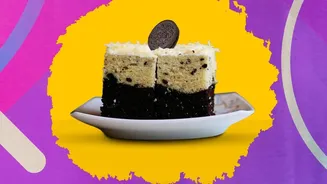
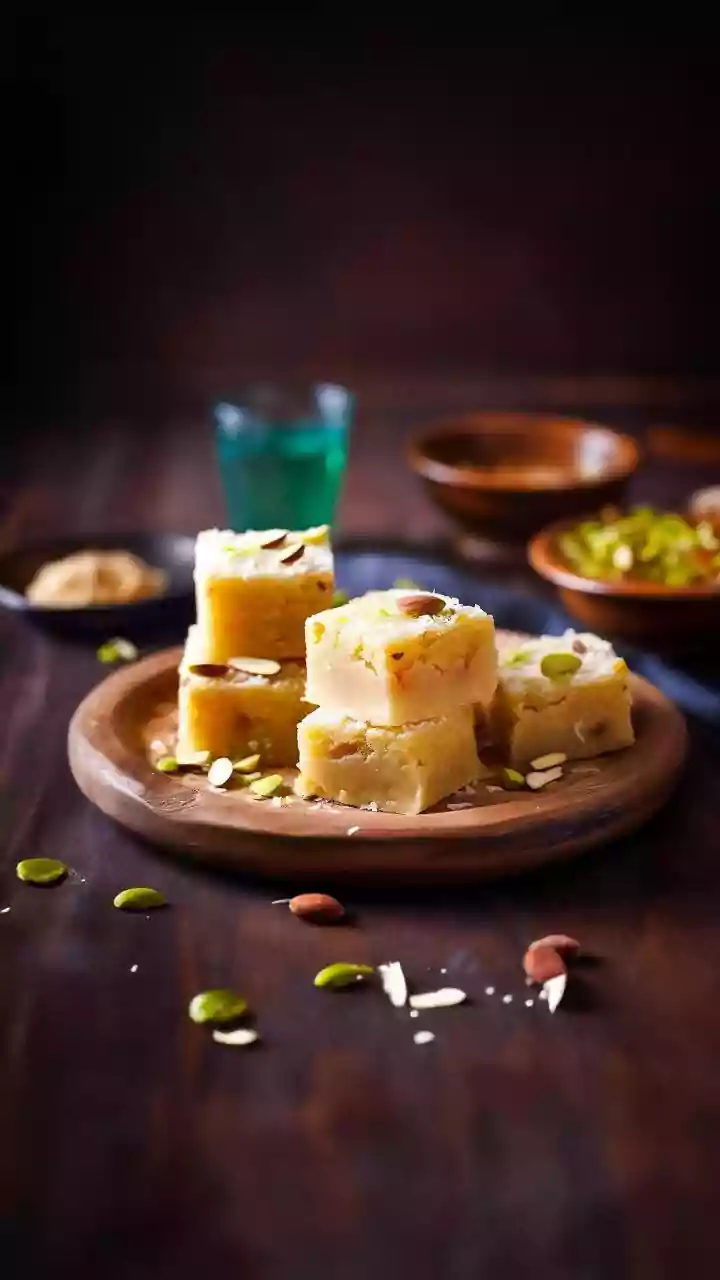
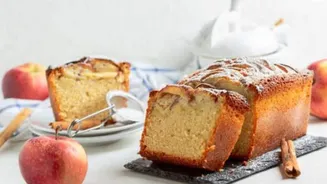
To apply the golden rule, you need to adjust how you cut and serve each item. For cakes and pies, think smaller. A standard 9-inch cake that normally yields 10-12 slices can easily be cut into 16 smaller 'tasting' wedges. For dessert bars like brownies or lemon squares from a 9x13-inch pan, aim for 24 small squares instead of 12 large ones. When it comes to items that are already portioned, like cupcakes and cookies, it's about numbers. Plan for 1-2 standard cookies per person or 2-3 mini cupcakes. Remember, you don't need one of everything for every guest. The variety is the appeal, and people will gravitate toward their personal favorites.
Consider Your Guests and the Menu
The right amount of dessert also depends on the context of your party. The time of day plays a role; guests tend to eat more in the evening compared to a mid-day gathering. The meal that precedes dessert is also a major factor. After a heavy, multi-course dinner, guests will have less room for sweets than they would after a lighter, buffet-style meal. Finally, consider your crowd. A group of teenagers will likely have a bigger appetite for sweets than a group of older adults. By factoring in these details, you can adjust your total dessert count up or down to better match your specific event.
Smart Presentation and Backup Plans
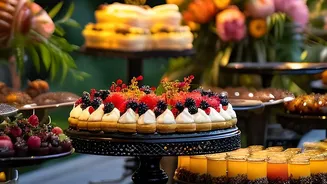
How you present your desserts can subtly guide your guests' choices. Using smaller dessert plates encourages smaller servings. Pre-slicing cakes and pies into tasting portions prevents guests from cutting themselves a giant piece. Arranging the desserts on a multi-level display not only looks stunning but makes it easier for guests to see all their options. To eliminate any hosting anxiety about running out, have a simple backup plan. A tub of high-quality ice cream, a box of gourmet chocolates, or some fresh fruit can be deployed in a pinch but will keep if they go unused, ensuring you can relax and enjoy your party.