







What The New Ranking Measures
The WEF's Travel & Tourism Development Index (TTDI) offers a fresh perspective by looking beyond simple popularity. It assesses countries across five key areas. These include the overall enabling environment (business, safety, and health); travel and tourism
policy; quality of infrastructure and services; the richness of natural and cultural resources; and, crucially, the sustainability of the sector. In a world increasingly conscious of environmental and social impacts, this forward-looking index rewards nations that are building resilient, inclusive, and sustainable tourism economies for the long haul. It's a shift from just counting arrivals to measuring the quality and durability of a country's entire tourism ecosystem.
1. United States
Topping the 2026 list, the United States scores exceptionally high due to its vast and varied natural and cultural resources. From national parks to bustling cities, it offers a wide range of experiences. The report highlights the country's robust business environment and dynamic labour market. Its sheer size and market scale contribute significantly, supported by strong infrastructure that, while facing challenges, facilitates massive domestic and international travel flows. The diversity of its demand drivers, including both leisure and business travel, solidifies its position as a global tourism powerhouse.
2. Spain
A perennial favourite, Spain continues to excel thanks to its world-class cultural resources, including numerous UNESCO World Heritage sites, and a strong focus on leisure tourism. The country boasts top-tier tourist service infrastructure, from accommodation to ground transport. Its high scores in health and hygiene, alongside a strong policy push to distribute tourism benefits and manage overcrowding, reflect a mature and well-managed sector. The blend of sun, culture, and excellent services keeps it near the top of the global list.
3. Japan
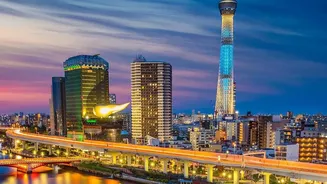
Japan's ranking is a testament to its exceptional infrastructure, particularly its world-renowned ground and air transport systems. The country is also a leader in leveraging its rich cultural heritage, seamlessly blending ancient traditions with futuristic modernity. High marks for health and hygiene, combined with a strong safety and security environment, make it an incredibly comfortable and reliable destination for travellers. Its unique cultural resources continue to be a primary driver of its enduring appeal.
4. France
Home to the world's most visited city, France scores incredibly well on cultural assets and robust infrastructure. Its air transport network is a major global hub, and its ground infrastructure, including high-speed rail, is exemplary. The index notes France's favourable business environment and a strong policy framework geared towards supporting one of its most vital economic sectors. The country's global appeal is rooted in this powerful combination of iconic attractions and the systems that make them accessible.
5. Australia
Australia stands out for its magnificent natural resources, from the Great Barrier Reef to the vast Outback. The index gives it high marks for its air transport infrastructure, which is crucial for a country of its size and location. Furthermore, Australia is recognised for its favourable enabling environment and a strong showing in tourism sustainability, an area of growing national importance. Its combination of natural wonder and a high quality of life makes it a top-tier destination.
6. Germany
Germany's position in the top 10 is powered by its outstanding infrastructure, particularly its dense and efficient air and ground transport networks. It has a highly favourable business environment and scores well for the sustainability of its travel sector. While known for business travel and trade fairs, Germany also boasts significant cultural resources and a commitment to developing a balanced and resilient tourism model that serves both visitors and local communities.
7. United Kingdom
The UK excels with its strong business environment, excellent air connectivity, and a wealth of cultural resources that draw millions annually. The quality of its tourist services and infrastructure is a key strength. The report acknowledges the UK as a major hub for both business and leisure travel, supported by a mature market that has long prioritised the visitor experience. Its global connectivity remains a powerful asset in its tourism strategy.
8. China
China's inclusion in the top 10 is driven by its incredible scale and significant investment in infrastructure. It scores highly on cultural and natural resources, reflecting its vast and diverse landscape and millennia of history. The index highlights the country's price competitiveness and rapid development of its tourism-enabling conditions. As it continues to mature, its focus on both domestic and international tourism positions it as a dominant force.
9. Italy
Italy's high ranking is no surprise, given its unparalleled cultural resources that form the backbone of its tourism appeal. It receives high marks for its robust health and hygiene standards and strong tourist service infrastructure. The country remains one of the world's most desired destinations, and its continued strength in the index reflects its deep commitment to preserving and sharing its immense historical and artistic heritage with the world.
10. Switzerland
Rounding out the top 10, Switzerland earns its spot with a stellar business environment and top marks for safety and security. Its performance on environmental sustainability is among the best in the world, aligning with its pristine natural image. While it is a premium-priced destination, the quality of its ground infrastructure, tourist services, and the breathtaking beauty of its natural resources provide a powerful justification for its enduring appeal to travellers seeking quality and reliability.