






A Superior Full-Body Workout
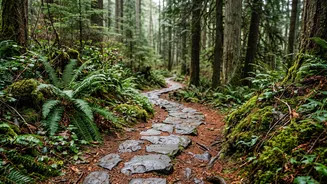
Walking on a flat, predictable surface like a treadmill or pavement is efficient, but it doesn’t challenge the body holistically. Hiking on a nature trail, with its uneven terrain, is a different story. Research shows that navigating varied ground forces
your body to work harder, burning up to 28% more energy compared to walking on a flat surface. The constant adjustments to rocks, roots, and inclines engage a wider range of muscles. Uphills target your glutes and hamstrings, while downhills build strength in your quadriceps and improve stability. This varied movement also strengthens the small stabilizing muscles in your feet, ankles, and core, which are often neglected in typical workouts, leading to better balance and a reduced risk of injury. It’s a low-impact, weight-bearing exercise that improves cardiovascular health and builds bone density without the jarring stress of running on concrete.
More Than Just Physical Fitness
The benefits of trail hiking extend far beyond the physical. Spending active time in nature, often called 'green exercise', has profound effects on mental well-being. Studies have shown that even a short walk in a natural environment can reduce stress, calm anxiety, and lower the risk of depression. This is partly because being outdoors can reduce neural activity associated with the kind of repetitive negative thoughts that fuel stress. Exposure to natural environments helps lower levels of the stress hormone cortisol, improves mood, and can even enhance cognitive functions like creativity and problem-solving. This combination of physical activity and natural immersion provides a mental reset that’s difficult to achieve indoors. It encourages you to disconnect from screens and be present, observing the sights and sounds around you.
How to Get Started on the Trail
The beauty of hiking is its low barrier to entry. You don’t need to be an elite athlete to begin. Start by choosing a beginner-friendly trail, typically one that is relatively short (3-5 kilometres) with minimal elevation gain. Invest in a comfortable pair of shoes with good grip; they don’t have to be expensive hiking boots initially. Avoid cotton clothing, as it holds moisture, and instead opt for layers of synthetic fabrics that you can add or remove as your body temperature changes. Always carry the essentials: plenty of water, some snacks, sun protection, a small first-aid kit, and your phone. Before you head out, it's wise to download an offline map of the area or take a picture of the trail map at the trailhead. Most importantly, start at a comfortable, sustainable pace. The goal is enjoyment, not speed.
Finding Your Path in India
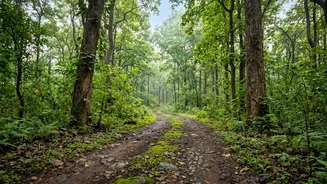
One of the greatest advantages for residents in India is the incredible diversity and accessibility of trails. You don’t need to plan a multi-day Himalayan expedition to reap the benefits. Many major cities have green spaces and reserves with marked walking paths perfect for a weekend morning. Cities like Bengaluru and Delhi have trails and large parks that are easily accessible. For those seeking a quick escape from the urban grind, the foothills of the Himalayas near cities like Delhi and Chandigarh, or the Western Ghats near Mumbai and Pune, offer countless options for short, rewarding treks that can be completed in a day or over a weekend. These 'micro-adventures' are becoming a popular way for people to de_stress and reconnect with nature without a significant time commitment. From gentle forest walks to more challenging hill climbs, there is a trail for every fitness level just a short journey away.